


Hey guys, hope you’re well 🤍 I thought I’d start this week’s post with a little life update, because it’s definitely been one of those weeks!
First up, I finally dyed my hair, and I’m now a little blonder than I was before ✨ It’s not a drastic change, but it feels fresh and different, which I really needed. There’s just something about a subtle hair refresh that makes you feel a bit more put together, even when everything else feels a little chaotic.
Unfortunately, the nasty virus bug 🦠 that’s been making its way around the country decided to pay our household a visit. My dad ended up coming down with it, and it really knocked him about. It’s been worrying seeing so many people affected by this thing, and it doesn’t seem to discriminate either – it just hits when you least expect it.
My mum is doing better than she was, thankfully, but she’s still having dips of really low energy, which seems to be pretty common with this so-called ‘super flu’ 😷 It’s frustrating because just when you think you’re turning a corner, it can flare up again and set you back. She’s taking it day by day and listening to her body as much as possible.
As for me, I’m still dealing with it too, alongside this blooming pneumonia that’s really affecting my chest. Neither seems keen on clearing off any time soon, which has been exhausting. To make things trickier, I’m allergic to antibiotics, so treating it isn’t as straightforward, and recovery feels slower than I’d like. Lots of rest, patience, and deep breaths are the order of the day right now.
My dad also had a couple of important appointments this week. One was at the doctor’s to go through the results of his ECG, which he’s been monitored for over a period of time. He also received a referral to an endocrine specialist for further testing regarding his low testosterone. At the moment, we’re just waiting for a few more appointments to come through so we can get some clearer answers about his health.
On a brighter note, my 5-year-old nephew has been an absolute little trooper 💙 On the same day as his infusion treatment for osteogenesis imperfecta 🏥, he managed to bump into another child at school and hit his head, leaving him with a massive bump on his forehead. Despite all of that, he didn’t complain once and just carried on like nothing had happened. He really is such a little star ⭐️ and constantly amazes me with his strength.
I’ve also booked an appointment with my new orthodontist 🦷 since my previous one is leaving and moving on. I was genuinely sad to hear he was leaving, but I wish him nothing but the best in his next chapter. Fingers crossed 🤞🏼 that by March, I can officially start my treatment and finally get the ball rolling.
Now, moving on to this week’s post… 💫 Today’s post invites us to slow down and notice what often goes unseen, seeing winter not as an absence of color or life, but as a season rich with subtle beauty and creative possibilities. In a world that equates brightness with noise and growth with constant motion, winter offers a gentler kind of illumination—one that reveals beauty through stillness, reflection, and restraint. This season strips landscapes and lives to their essentials, allowing subtle textures, soft light, and moments of calm to come into focus. Within the hush of shorter days and colder air lies an opportunity to reconnect with ourselves, to rest without guilt, and to find meaning in simplicity. In photography, winter’s quiet offers a unique advantage: soft, diffused light, minimal distractions, and scenes reduced to their most essential shapes and tones. This post explores how to work with winter light—embracing overcast skies, long shadows, and muted palettes—to create images that feel calm, intentional, and evocative. By tuning into the stillness of the season, photographers can sharpen their observation, refine their compositions, and discover that winter’s restraint often reveals its most powerful visual stories.
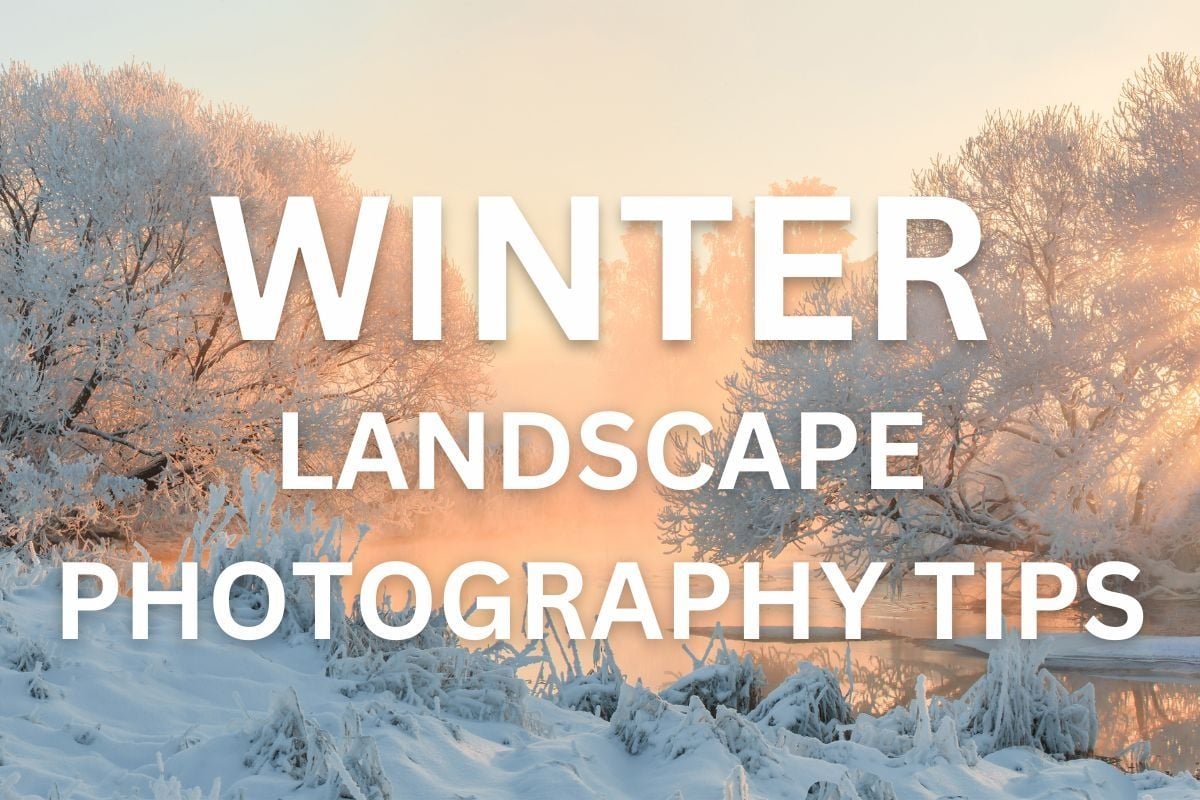
Winter holds a quiet kind of magic. As the world slows, we are called inward—to reflect, to reconnect, and to seek warmth in the small rituals that brighten the darkest days. From ancient solstice celebrations to modern traditions, winter is a season to honor both stillness and renewal, embracing its beauty in our homes and lives.
Embrace The Light
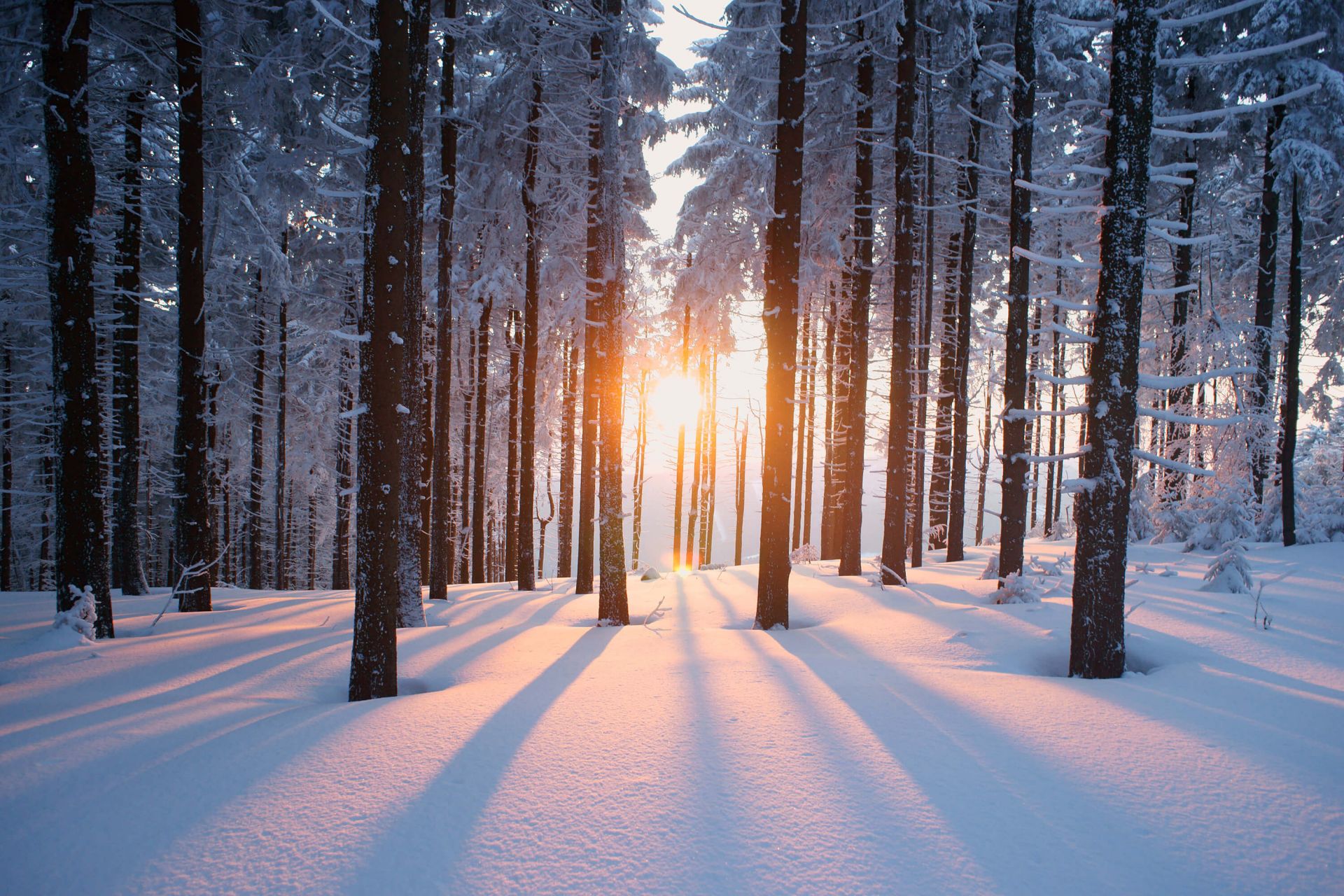
Winter light is unique, with the sun sitting lower in the sky, creating long shadows and softer highlights. This is perfect for capturing the tranquil beauty of snowy landscapes. Aim to shoot during the golden hours—shortly after sunrise or before sunset—when the light is warm, and the shadows are gentle. This will add depth and dimension to your photos, enhancing the natural beauty of the scene.
Pay Attention to Blue Hour
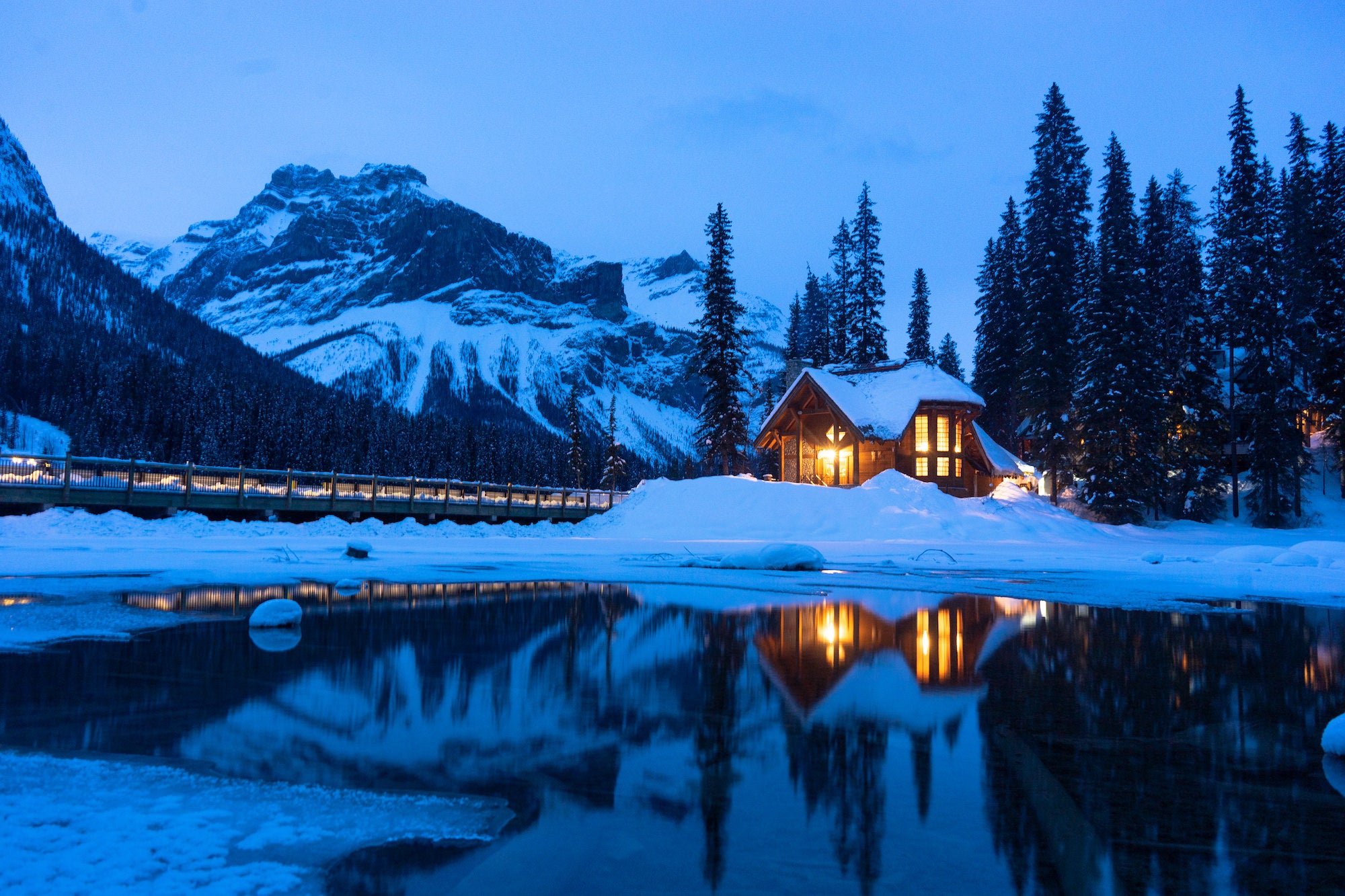
Winter’s long nights create extended blue hour conditions, offering a cool, tranquil light that suits snowy landscapes beautifully. The deep blues and soft gradients in the sky complement the quiet mood of the season and work especially well with snow and ice. Shoot shortly before sunrise or after sunset to capture this calm, ethereal glow. Using a tripod will help manage longer exposures and preserve detail in low light.
Revisit the Same Location Often

Winter is a season of subtle change, and returning to the same spot multiple times can yield entirely different results. Light, weather, snow depth, and ice patterns shift constantly, even in familiar places. Revisiting locations helps you understand how conditions affect a scene and encourages patience and observation. Over time, this practice can lead to a cohesive body of work that tells a deeper seasonal story.
Use A Tripod
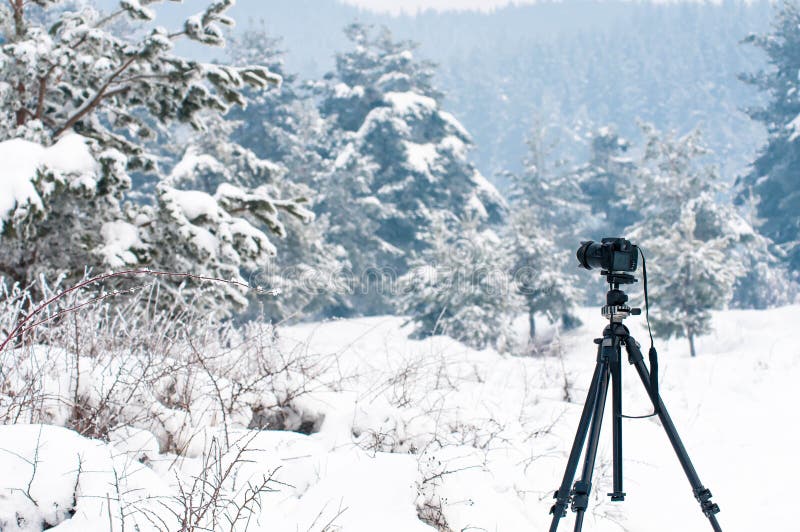
A sturdy tripod is essential for winter photography, especially when light levels are low. It helps prevent camera shake and allows you to take longer exposures, which can be particularly useful for capturing the silky flow of snow-blown winds or the serene stillness of a frozen lake. Ensure your tripod is stable on uneven, snowy ground by adjusting its legs and using spikes, if available.
Focus On Composition

Winter landscapes naturally strip scenes down to their essentials, making them perfect for minimalist compositions. Snow-covered ground and bare trees reduce visual clutter, helping strong shapes, lines, and forms stand out. Look for leading lines in frozen paths or rivers, isolated subjects like lone trees, or repeating patterns in snow and ice. By intentionally removing distractions from the frame, you allow the viewer’s eye to rest and engage more deeply with the subject, reinforcing the quiet and stillness that define the season. Unique opportunities for composition, with stark contrasts and minimalist scenes. Look for leading lines created by fences, roads, or tree lines that draw the viewer’s eye into the frame. Pay attention to patterns in the snow, like footprints or the texture of ice, to add interest and depth to your images.
Expose for the Snow
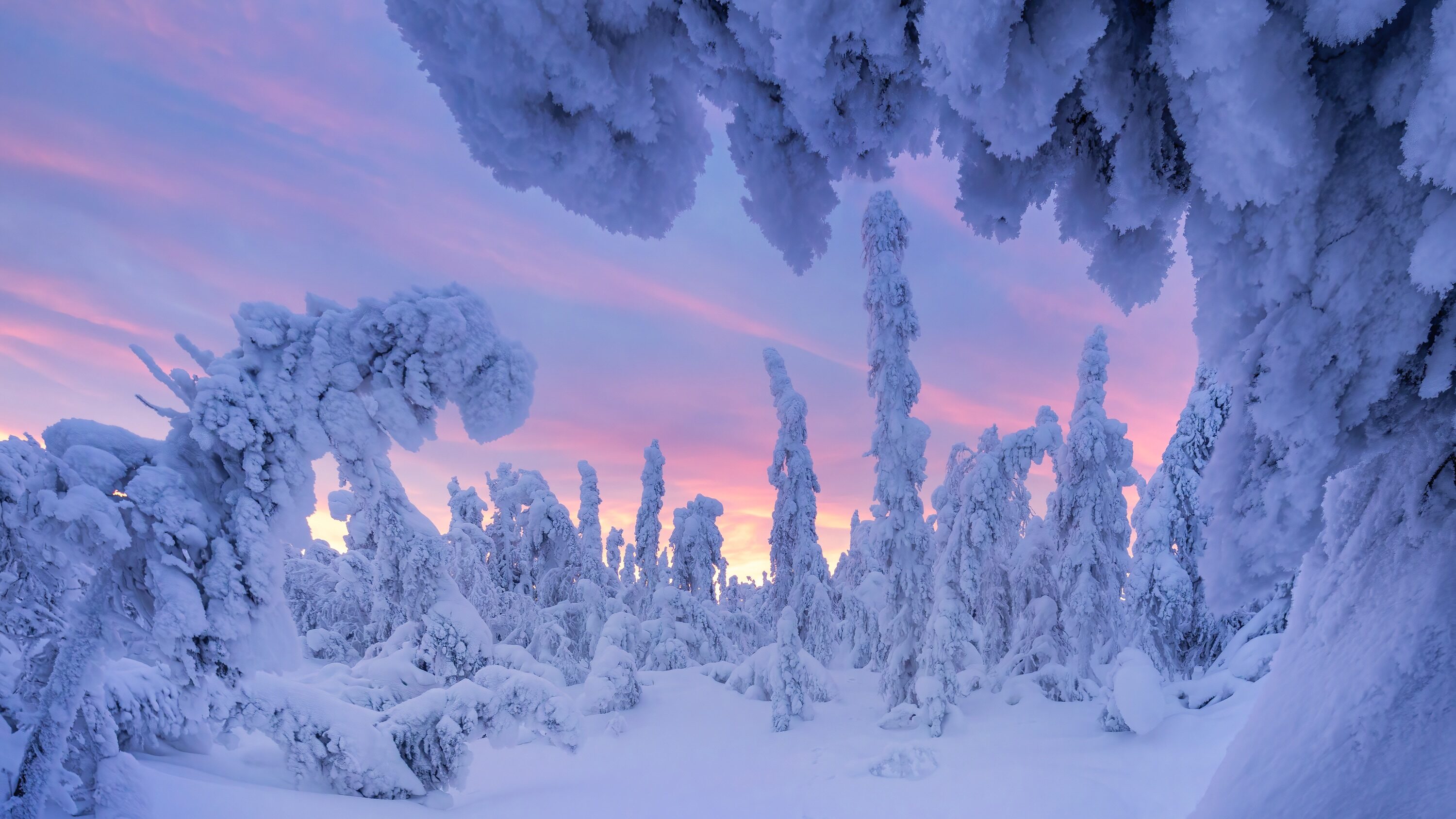
Snow can easily trick your camera’s meter into underexposing a scene, resulting in dull gray whites instead of clean, luminous snow. To counter this, increase your exposure slightly—often by +1 to +2 stops—while keeping an eye on highlights to avoid losing detail. Shooting in RAW gives you more flexibility when adjusting exposure in post-processing. Properly exposed snow not only looks more natural but also enhances the sense of light and openness that makes winter landscapes so visually striking.
Look for Contrast in Texture

Winter landscapes may appear simple at first glance, but they’re full of textural contrast. Smooth snowfields against rough tree bark, icy water beside soft falling snow, or frost clinging to weathered surfaces can add quiet visual interest. Move closer when needed and let texture become the subject rather than the scenery. These contrasts help create depth and keep minimalist winter scenes from feeling flat, especially when color is limited.
Use Foreground Elements for Depth

Snow-covered rocks, branches, footprints, or frozen plants in the foreground can anchor a composition and draw viewers into the scene. Winter naturally softens backgrounds, making foreground details even more effective. By placing something textured or detailed close to the camera, you add scale and dimension to wide landscapes. This technique works especially well with wide-angle lenses and can turn an otherwise simple scene into a more immersive photograph.
Use Color Sparingly and Intentionally

Winter’s muted palette makes even small touches of color feel powerful. A warm sunrise, golden grasses poking through snow, or a hint of blue in the shadows can add emotional depth to an image. Pay attention to how cool and warm tones interact, especially during golden hour or blue hour. Rather than searching for bold color, let subtle hues guide the mood of your photograph. This restrained approach often results in images that feel calm, cohesive, and quietly compelling.
Work with Long Shadows and Low Sun Angles

During winter, the sun stays low in the sky for much of the day, creating long shadows that add depth and dimension to landscapes. These shadows can emphasize texture in snow, reveal gentle contours in the land, and guide the viewer’s eye through the frame. Shooting during early morning or late afternoon enhances these effects, allowing light and shadow to become key compositional elements. Instead of avoiding shadows, use them as a storytelling tool to bring structure and visual interest to your scenes.
Capture Atmosphere and Weather
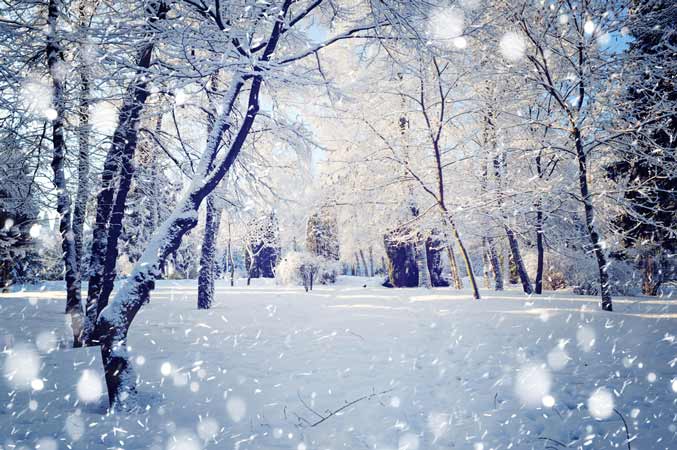
Winter weather—fog, falling snow, frost, and mist—can transform ordinary landscapes into something magical. These conditions add layers and softness, creating a sense of depth and mood that clear days often lack. Snowfall can simplify backgrounds, fog can isolate subjects, and frost can add intricate detail. Be patient and prepared, as these moments are often brief but rewarding. Photographing atmosphere encourages you to respond intuitively to changing conditions and embrace winter’s unpredictability.
Don’t Avoid Empty Space
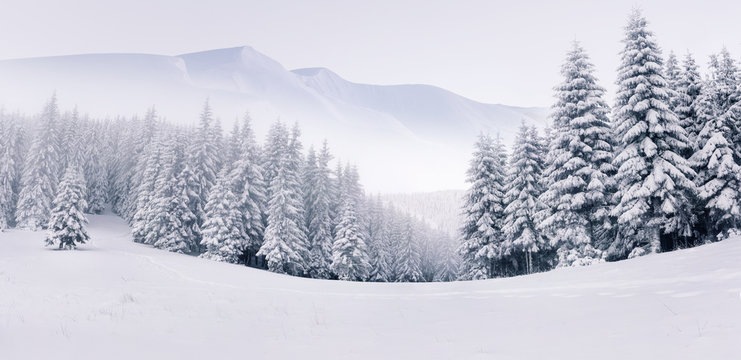
Negative space is a powerful compositional tool in winter photography. Large areas of snow, fog, or sky can create breathing room within your image and emphasize solitude and stillness. Instead of filling the frame, allow emptiness to play an active role in the composition. This approach encourages a more contemplative viewing experience and reinforces the calm, understated beauty that defines winter landscapes.
Protect Your Gear and Slow Down
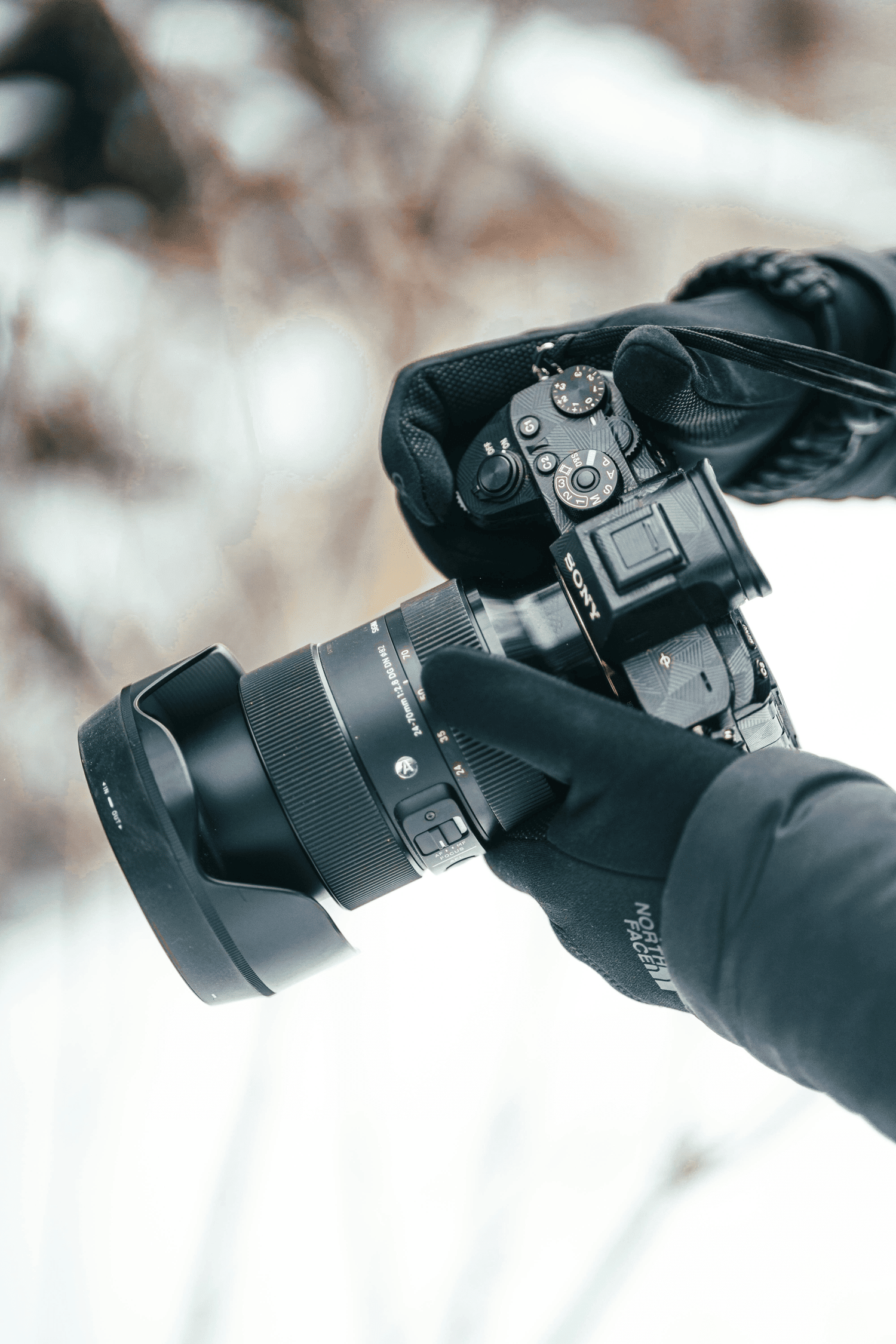
Cold temperatures can drain batteries quickly and affect camera performance, so bring spares and keep them warm. More importantly, winter encourages a slower, more deliberate approach to photography. Fewer people, quieter locations, and still landscapes invite you to spend time observing rather than rushing. This slower pace often leads to more thoughtful compositions and a deeper connection to the environment. By working carefully and intentionally, you’ll find that winter rewards patience with images that feel both serene and meaningful.
Edit Your Winter Landscape Shots

Edit Your Winter Landscape Shots
Make sure you edit your photos to enhance what’s already there without losing the season’s natural softness. Snow, in particular, benefits from gentle adjustments—slight exposure and contrast tweaks can help it look clean and bright without blowing out highlights or turning whites gray. Pay attention to white balance, as winter light often leans cool; warming it slightly can restore balance while still preserving the crisp feel of the scene. Subtle clarity or texture adjustments can bring out detail in snowdrifts, ice, and trees, but a light hand is key. Thoughtful editing should support the quiet mood of winter, allowing the snow and light to feel natural, calm, and true to the moment you experienced.
One Last Tip: Enjoy the Process
/stickers-winter-collage.jpg.jpg)
Winter landscape photography doesn’t have to be serious or perfectly planned. Bundle up, bring a warm drink, and treat your time outside as part of the experience, not just a means to an image. Wander without a strict goal, follow interesting light, and allow yourself to experiment—try new angles, unusual compositions, or settings you don’t normally use. Some days you’ll come home with photos you love, and other days you’ll simply come home refreshed, and both are wins. When you’re enjoying yourself, it shows in your work, and winter becomes less about enduring the cold and more about embracing the quiet joy it offers.
Final Thoughts for Photographing Winter Landscapes
As you head out into winter’s quiet spaces, remember that this season isn’t about chasing dramatic moments—it’s about learning to see differently. Allow yourself time to wander, observe, and respond to subtle changes in light and weather. Revisit familiar locations, as winter often transforms them into something entirely new. Trust your instincts, embrace imperfection, and don’t feel pressured to come home with dozens of images; sometimes one meaningful photograph is enough. Most importantly, let winter slow you down. When you work in harmony with the season’s stillness, your images will naturally reflect the calm, beauty, and quiet strength that make winter light so special.
Before I wrap things up, I just want to say a huge thank you for stopping by my blog and taking the time to read today’s post 🤍 It truly means more to me than you’ll ever know. Whether you’ve been here from the beginning or you’re just visiting for the first time, your support, kind messages, and quiet reads never go unnoticed. This little space is such a comfort to me, and knowing you’re here sharing it makes it all the more special.
Before I go, I want to add one final note close to my heart. Tomorrow would have been my Nan’s birthday 🎂✨ She sadly passed away a couple of years ago, and I miss her like crazy every single day. Not a day goes by that I don’t think of her, smile at a memory, or wish I could hear her voice just one more time. Happy Birthday, Nan 🤍 you are forever loved, forever missed, and always in my heart.
Thank you again. Be safe and have a lovely day. I’ll be back in two weeks with another post. Until then – take care 💫


 Peytons View
This is lovely!
LikeLiked by 1 person
Good tips, and wintry motif here❄️🍧
LikeLiked by 1 person
Gorgeous shots!
LikeLiked by 1 person
I liked this, nice.
LikeLiked by 1 person
Great article!
LikeLiked by 1 person