Good morning, you wonderful lot! Hope you’re all good 😊 it’s been one hell of a couple of weeks since my last post, it has been non-stop. Before I share with you what my family and I have been up to, I just want to send my condolences to Diane Keaton’s friends and family. As you may have heard in the news, the legendary and talented actress Diane Keaton shockingly and suddenly passed away over the weekend. She was such an iconic actress who gave us some memorable roles that are still ingrained in our hearts today. She will be missed 💐.
Now let me share with you some of the things that have happened over the last 2 weeks; to start we’ve had numerous appointments (again) my mum had a physio appointment for her arm that’s been getting worse since she injured it 5 months ago, the physiotherapist sent her for an X-ray, which she had done on Saturday, we’re just waiting for the results now 🕰️. She was meant to have a procedure yesterday that had been pre-scheduled but she found out on Friday that it had been cancelled and rearranged for the end of the month instead, at an inconvenient time, as it coincides with my dad being at work and not being able to drive her home afterward,s as I unfortunately can’t drive due to my health issues 😔.
Speaking of my dad, we had to get him another emergency doctors appointment as he started struggling to breathe, they did an Electrocardiogram (ECG or EKG) on his heart which will be sent to the doctors to check over, and he’s having to undergo another blood test this Saturday 💉 as his testosterone levels are unusually low, so they want to keep an eye on that, so at the minute we’re in a bit of a waiting game for various test results.
Other little things that happened were; we made use of the prime day deals to get started on Christmas shopping (I know it’s a little early, but prices on everything at the minute is expensive) but we also used it to get my dad some Birthday presents, as he’ll be celebrating it this Sunday 🎁 🥳 we managed to find some really good things in the deals, so its making me feel less stressed and worried as it means I don’t have to panic buy too close to Christmas, and I can just add a couple of little gifts from the Black Friday Sales, which has made me happy 😊. Another thing that’s made me really happy is that my brilliant nephew got a ‘star of the week’ award 🌟 for his drawing. I cannot be anymore prouder of him than I already am; he’s thriving every single day in school and being his true self (which is kind, funny, and super smart) 👏🏼. And to finish my ramble off, I ended up having to get some new reading glasses as my eye test showed that my eyesight has slightly changed since last time, nothing major, but it required new glasses, which isn’t too bad 🤓
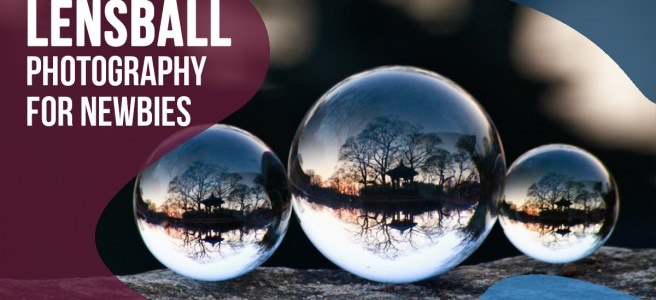
Now on with this week’s post…If you’re looking to add a creative twist to your photography, lens ball photography is a captivating way to see the world from a whole new perspective—literally. This crystal-clear sphere acts like a wide-angle lens, flipping and distorting scenes into beautifully surreal images. Whether you’re photographing landscapes, cityscapes, or portraits, a lens ball can turn ordinary shots into mesmerizing works of art. But while the concept is simple, mastering the technique takes a bit of know-how. To help you get started—or elevate your current shots—here are some essential lens ball photography tips.

Glass ball photography is a fantastic way to create compelling images, the kind that will leave your audience both wowed and curious. But how do glass ball photos work? How do you set up beautiful images? And how do you use a simple crystal ball to capture such striking effects? Glass ball photography, also known as crystal ball photography, uses refraction to capture unique images. A crystal ball (lensball) is placed in front of a scene; the scene is then refracted in the ball. Thanks to the magic of physics, you end up with an inverted image in the ball, which you can then capture with your camera. As the photographer, you have ultimate control over your lensball image. For instance, by repositioning the ball (and adjusting the camera’s position with respect to the ball), you can capture different perspectives. You can also adjust the aperture for shallow depth of field effects (where the ball is framed by a blurry background), and you can change the distance from the camera to the ball for an interesting close-up effect.
Select The Right Crystal Ball Or Lens Ball

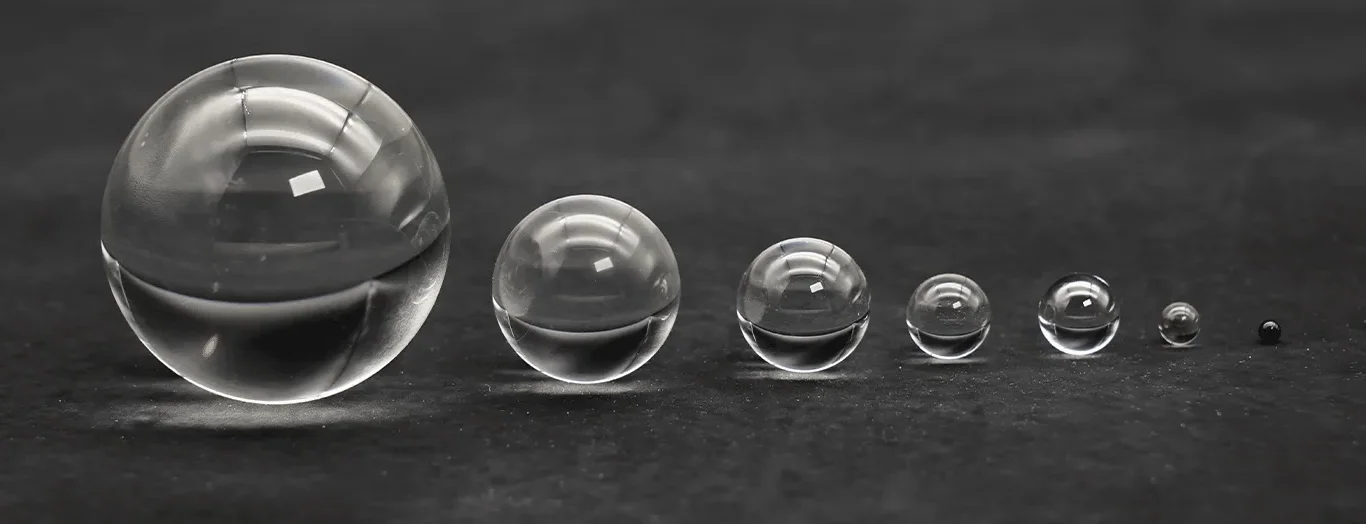
Which lensball size you pick depends on personal preference, but keep in mind that smaller balls are lighter and easier to handle and transport, so they’re more beginner-friendly. A larger ball makes for a larger scene, but the tradeoff is that you can’t hold it in your hand and photograph it at the same time. Three common sizes of crystal ball are 60 mm, 80 mm, and 100 mm — small, medium, and large, respectively. However, they range from marble-sized to melon-sized. An 80 mm lensball is the happy medium for many professional photographers.
Clean the Lens Ball
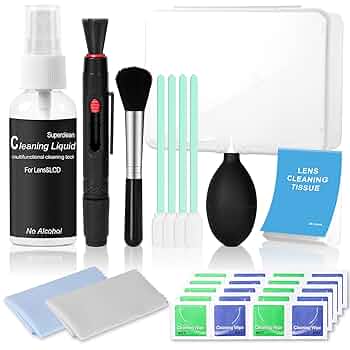
Because lens balls are made of clear crystal or glass, any dirt, dust, or fingerprints on the surface become magnified and highly visible in your image. Even the smallest smudge can catch the light and ruin an otherwise perfect shot. Keeping the ball clean ensures a crisp, professional look and saves time in post-processing, where removing such blemishes can be tedious or even impossible in complex scenes.
Use Manual Focus, Not Auto

It’s best to shoot using manual focus and place your focus point on the subject in the ball. Don’t try to focus on the background, as the depth of field will render the refraction and the ball out of focus, losing the point of the shot altogether.
Choose Your Aperture Carefully
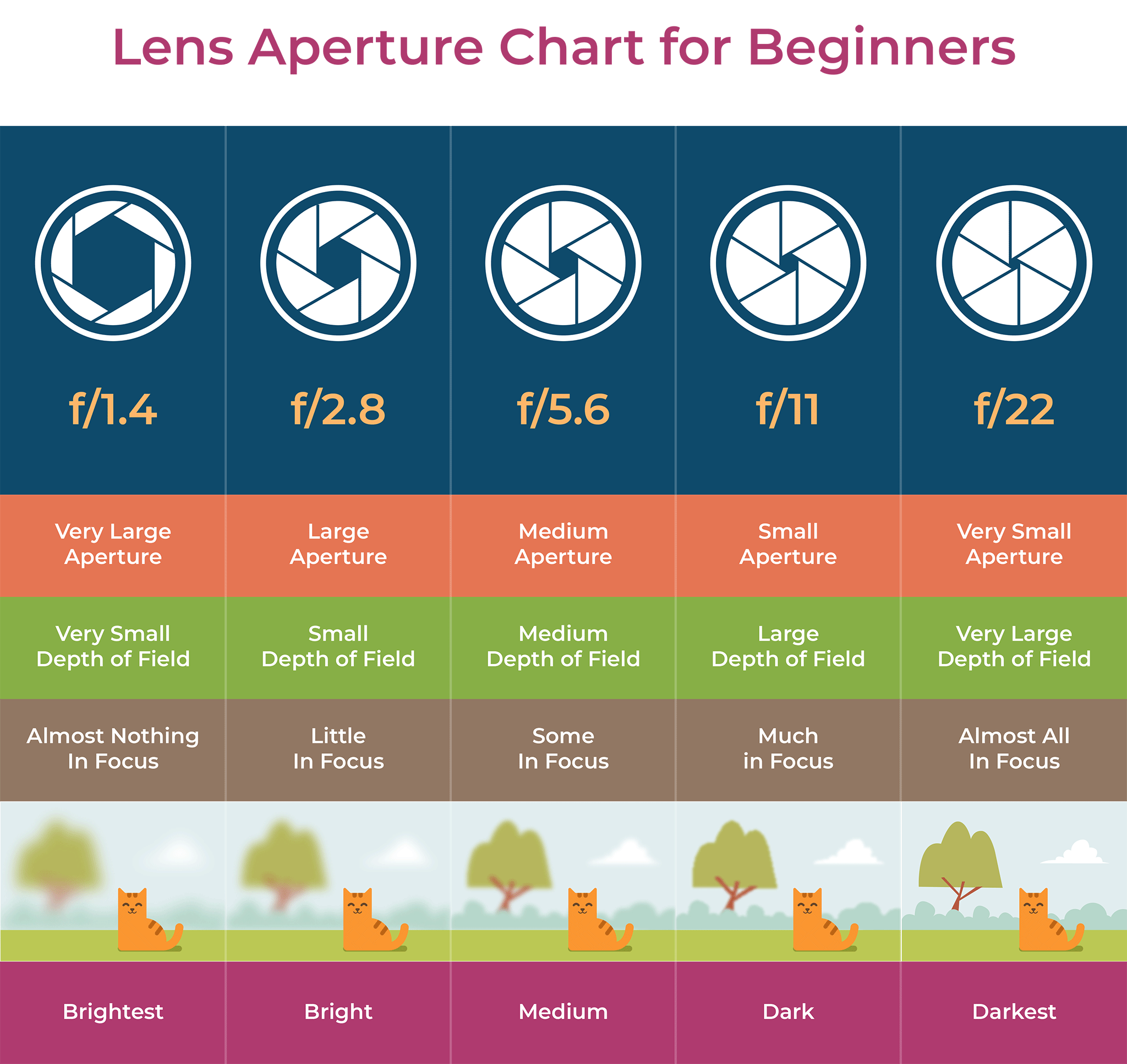
As with all types of photography, DoF (depth of field dictates how much of your shot will be in focus, and how much won’t be. If you want a nice blurry background behind the lens ball, then shoot with an aperture wider than F/4. Alternatively, shoot using F/7.1 or smaller if you wish for the background scene to be more in focus and representative of what we can see in the lens ball itself. The smaller the aperture, the deeper the depth of field, but beware of diffraction!
Long or Short Lenses?
What is the best option for lens ball photography?
When using longer focal lengths with your lens ball shot, you will end up compressing the scene, making the background appear closer to the foreground, and reducing the amount of the scene that the viewer sees. This is great for isolating the lens ball and the scene within it, and nothing else.
If you’d rather show more of the overall scene and the details within the background, then a combination of a short focal length (30mm and shorter) and a small aperture will give you such an effect. Look out for leading lines that you can use in the foreground to direct the viewer’s eye towards the eye to the ball.
Choose Strong Backgrounds

Since the lens ball captures a distorted view of whatever is behind it, the quality of your background directly affects the image inside the ball. Detailed and recognizable backgrounds like city skylines, mountain peaks, or architectural elements add interest and context. A dull or cluttered background will be just as visible — and distracting — in the ball as it is outside of it.
But
Focus on the Ball, Not the Background

The main subject in lens ball photography is usually the refracted image inside the ball. That’s where the magic happens — buildings appear upside down, landscapes are warped into spheres, and reality gets turned inside out. Focusing on the ball makes the distorted image inside sharp and vibrant, while a slightly blurred background can add depth and draw more attention to the subject.
Use Natural Light Wisely
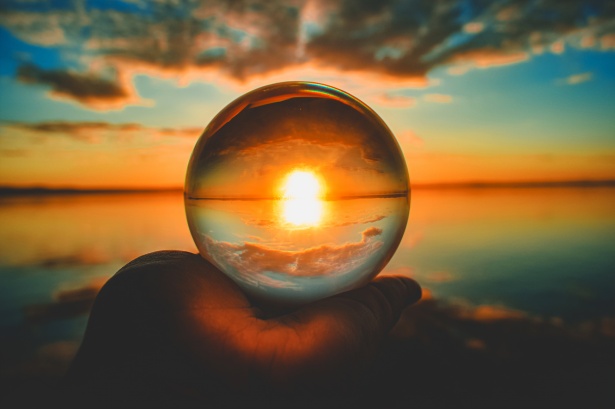
Golden hour light—shortly after sunrise or before sunset—is softer and warmer than harsh midday sun. It casts fewer harsh reflections on the ball’s surface and helps balance exposure between the bright background and the shaded ball. This lighting also enhances colors and adds mood to the shot, making it feel more cinematic and visually pleasing.
Try Different Perspectives
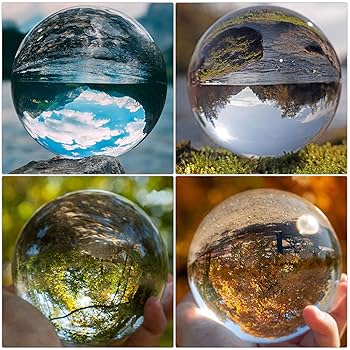
Shooting from low angles or unique viewpoints gives you access to perspectives most people don’t see in everyday life. When paired with the surreal refraction of the lens ball, this can turn ordinary subjects into compelling visual stories. Experimenting with unusual angles can also help you avoid common clichés and make your photos stand out from the rest.
Use Water or Reflective Surfaces
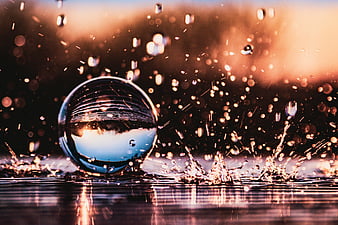
Reflections double the visual interest of your shot and enhance symmetry. Water — whether still or rippling — introduces texture, contrast, and mood. A reflective surface, like a metal table or glass floor, can make the lens ball look like it’s floating or part of a larger, surreal scene. These elements enhance composition and often require no extra gear — just creative vision.
Stabilize the Ball
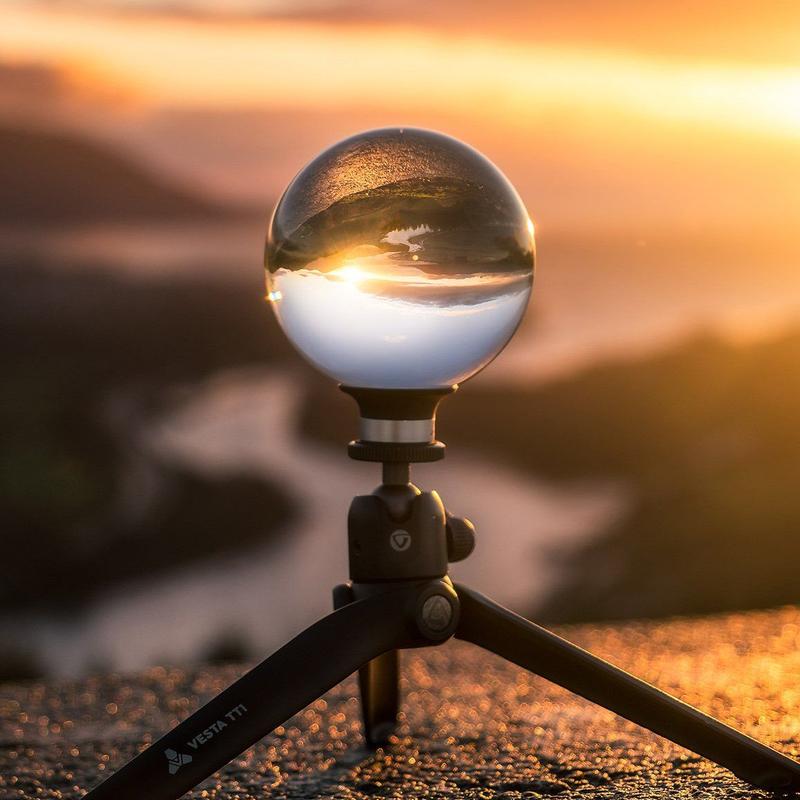
Lens balls are smooth and round, which makes them prone to rolling away — especially on uneven surfaces or in windy conditions. Using a small stand, ring holder, or wedging the ball into a crack or crevice ensures stability and safety for both the ball and your camera. It also lets you take more time to perfect your framing without worrying about your subject moving or falling.
Be Safe with Sunlight
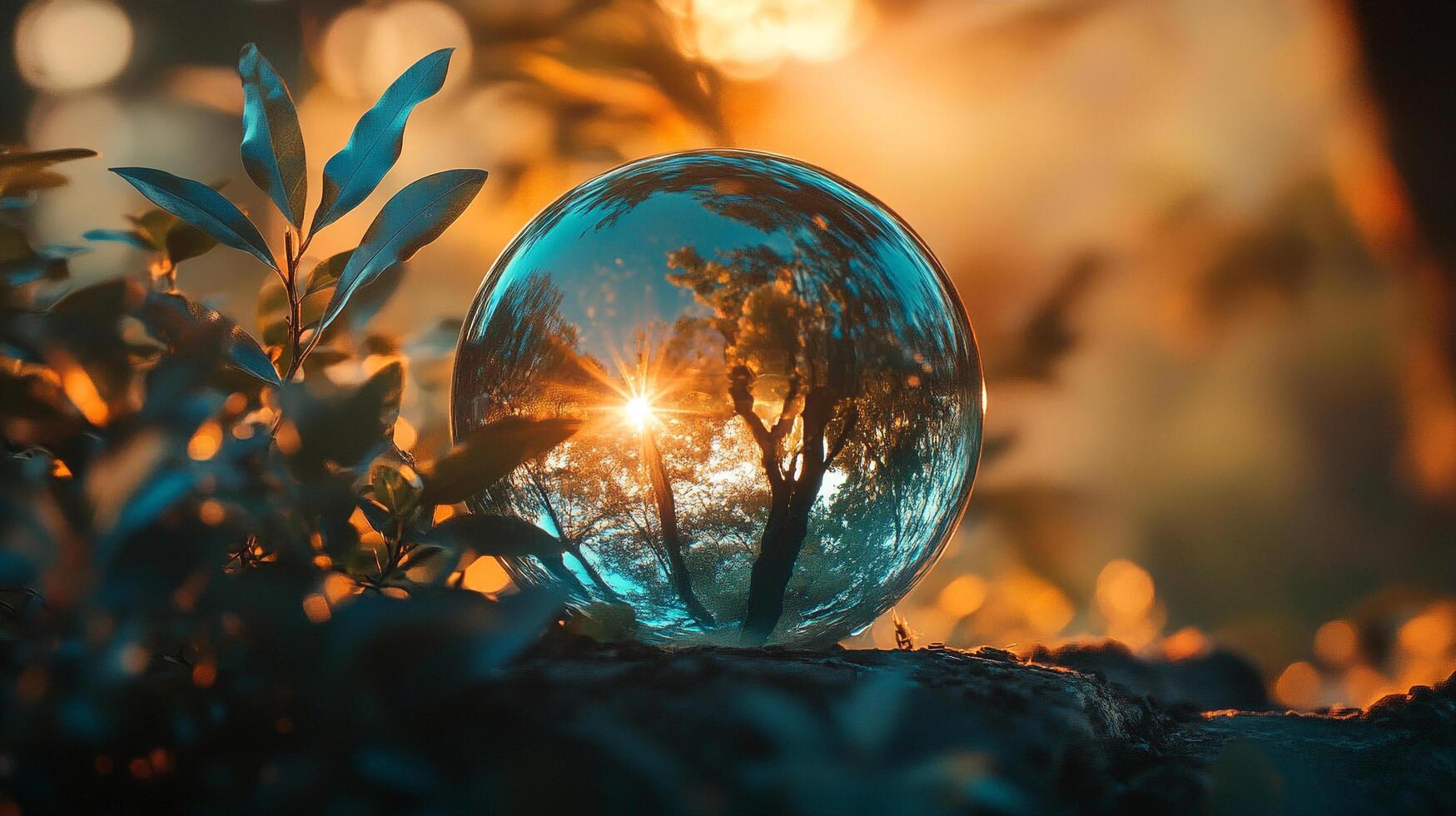
Because the lens ball is a sphere of optical-grade glass, it can act just like a magnifying glass under direct sunlight. Left unattended, it can concentrate sunlight to a point that can burn surfaces like wood, grass, or even your camera bag — and potentially start fires. Additionally, looking through it in strong light can harm your eyes. Always be mindful of your surroundings and the sun’s position when using your lens ball outdoors.
Frame the Shot Creatively
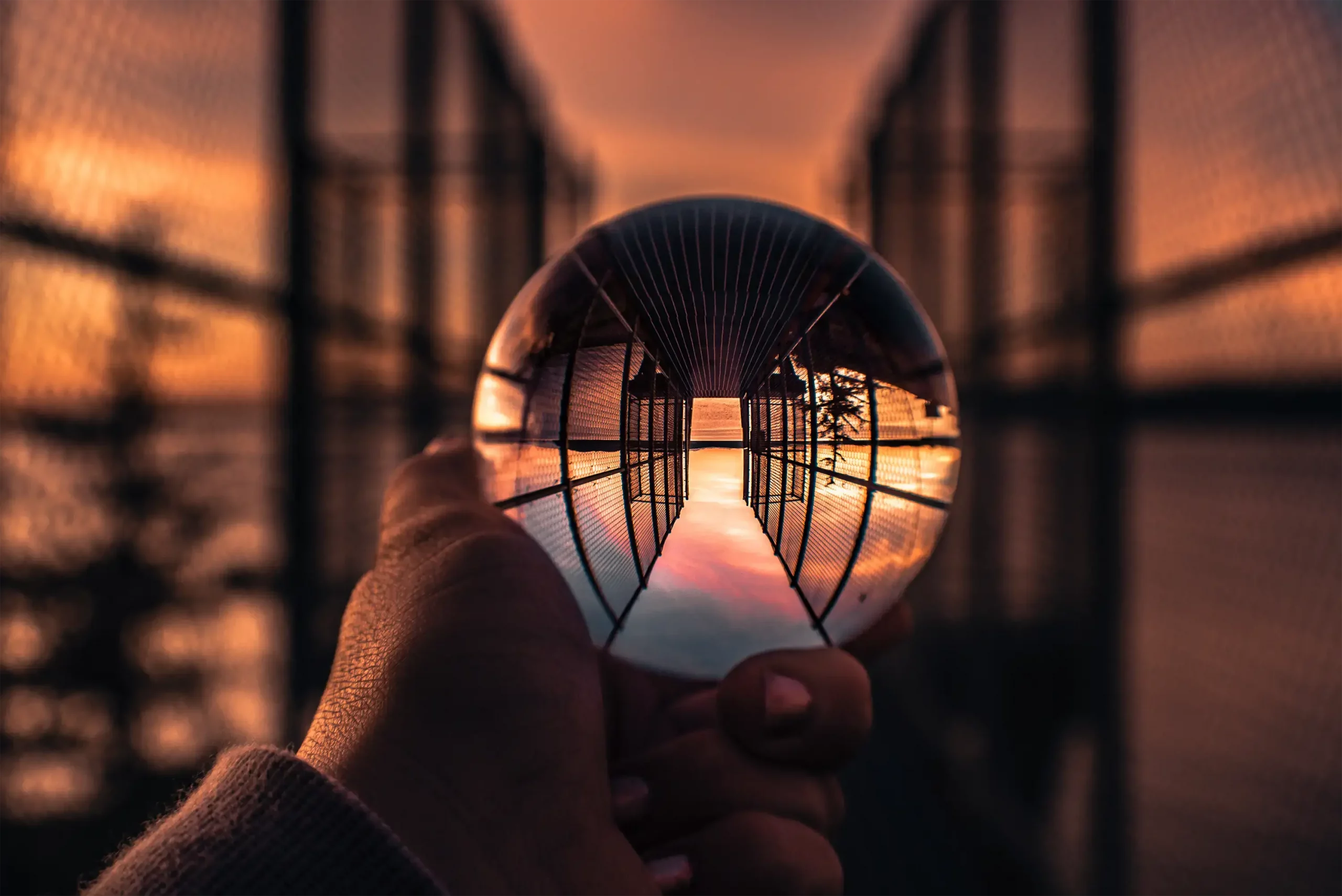
Compositional elements like leading lines, symmetry, and framing can enhance any photo, but they’re especially powerful in lens ball photography. Aligning elements like roads, railings, or the horizon to pass through or into the ball adds depth and coherence. This guides the viewer’s eye through the image, emphasizes the surreal effect, and brings visual harmony between the ball and the surrounding scene.
Use Hands as a Prop
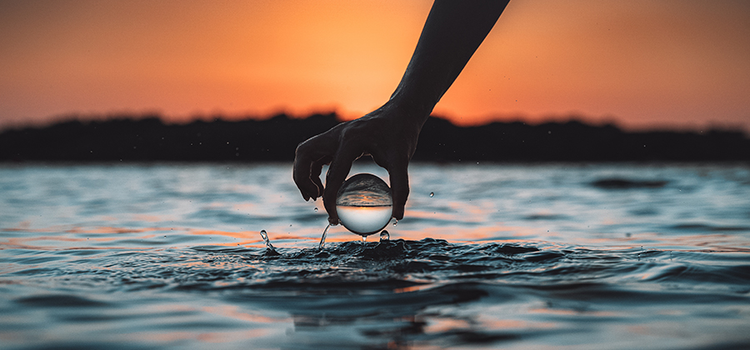
Holding the lens ball introduces a human element to your photo, adding relatability and a sense of scale. It can also be practical — when there’s nowhere to rest the ball, your hand becomes a flexible, mobile stand. Additionally, the hand can reflect emotion or narrative: outstretched fingers feel mysterious, while a relaxed grip feels casual or intimate. It turns your shot into a moment, not just a scene.
Flip the Image in Post-Processing

The lens ball naturally flips the image upside down due to refraction. While this effect is interesting, it can also be visually jarring. By rotating your image 180° in post-processing, you present the scene inside the ball as upright while keeping the background flipped. This creates a surreal and eye-catching contrast, often making the ball’s image appear like a portal into another world.
Final Words
Just enjoy your lens ball photography. Seek out single subjects rather than busy scenes to include in the ball’s refraction. This makes it easier for your audience to understand the purpose of the shot, and it makes the composition easier to decide on.
Thank you for coming to my blog and reading today’s post! I really appreciate you taking the time to stop by. I’ll be taking a short break, but I will be back in two weeks with more to share. Until then, see you later!

 Peytons View
What a beautifully written and heartfelt post! 🌸✨
You’ve managed to blend personal reflections, emotional depth, and creative insight so gracefully. The opening tribute to Diane Keaton was touching and respectful—a lovely way to honor such an iconic actress. The way you transitioned from that heartfelt note into your own life updates made the post feel so warm and personal, like a genuine conversation with friends. 💐
LikeLiked by 3 people
Very detailed and informatively helpful. Thanks!
LikeLiked by 3 people