

Good morning, everyone. Hope all is well. 🤞🏼 Well, it’s been a hectic couple of weeks. I mentioned in my last post about taking my mum to the hospital to get her an X-ray done on her foot, which thankfully, ended up being just a sprain. Well, this time, it was me at the hospital, not once but twice, having my own X-rays done on two different occasions, the first concerning my hand after hitting it on the edge of the stairs, and it hitting my bone wrong. 🙁 Again, it was luckily just a sprain! and the second regarding my foot after somebody in a shop was trying to put a box back on the top shelf, and ended up dropping it on my legs but mostly on my foot as they didn’t put the basket they had in their hand down and I ended up not being able to move it without any pain, they thankfully said it was probably just a severely bruised bone that was the problem, which my advice to both scans were advised as it usually is – a cold compression and Paracetamol or Ibuprofen and, keep them moving to keep the mobility, with rest in between, so that is what I’m doing. Other than that, most of us, of course, have just celebrated Mother’s Day. I say most of us, as if you’re like me and my family, we lost my Nan last year shortly just before Mother’s Day, so this year marked the first anniversary without her being physically here and, I’m not going to lie it wasn’t too bad, my parents and I ended up going out for the day which made it easier and thankfully, it was the same for my sister and aunt as they both were at peace too. My mum had a lovely day and especially loved the gifts we bought her. 😃 To commemorate my nan as she’d been reminiscing the previous day, we did what my nan did for my mum when she first became a mother, which was watch Disney’s animated Peter Pan, so we did just that as well as go for a Mother’s day stroll 😁 Anyway, let’s get on to today’s post, shall we?
World Autism Awareness Day is an international observance dedicated to raising awareness about autism spectrum disorder (ASD) and promoting acceptance, inclusion, and support for individuals with autism. This day is an opportunity to educate the public about the challenges and strengths of those on the autism spectrum, to celebrate the contributions of individuals with autism, and to advocate for greater understanding and acceptance within society. This is very personal and very close to my heart, so I hope I do it justice and can raise awareness to give a bit more insight to help others 🤞🏼
World Autism Awareness Day is an annual event highlighting the need for increased awareness and understanding of autism spectrum disorder. Autism affects millions of people worldwide, impacting their social, communication, and behavioral skills in varying degrees. The day serves as a platform to address the misconceptions and stigma surrounding autism, to promote early diagnosis and intervention, and to support the rights and well-being of individuals with autism. It is also a time to celebrate the unique perspectives and talents that people with autism bring to their communities.
What Is Autism?
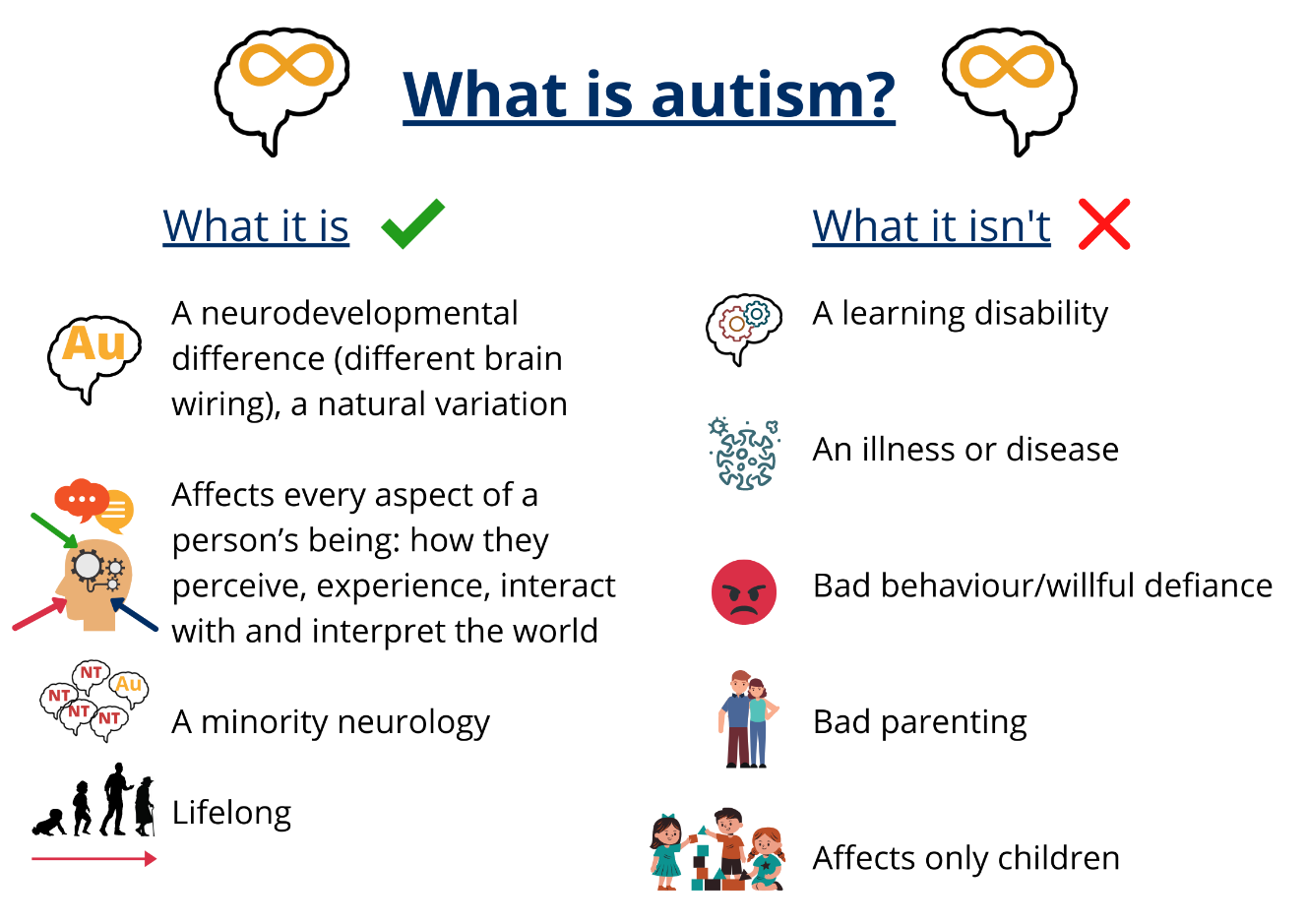
Autism, or autism spectrum disorder (ASD), refers to a broad range of conditions characterized by challenges with social skills, repetitive behaviors, speech, and nonverbal communication. Autism looks different for everyone, and each person with autism has a distinct set of strengths and challenges. Some autistic people can speak, while others are nonverbal or minimally verbal and communicate in other ways. Some have intellectual disabilities, while some do not. Some require significant support in their daily lives, while others need less support and, in some cases, live entirely independently.
On average, autism is diagnosed around age 5 in the U.S., with signs appearing by age 2 or 3. Current diagnostic guidelines in the DSM-5-TR break down the ASD diagnosis into three levels based on the amount of support a person might need: level 1, level 2, and level 3. See more information about each level.
Many people with autism experience other medical, behavioral, or mental health issues that affect their quality of life. Among the most common co-occurring conditions are:
- Atention-deficit/hyperactivity disorder (ADHD)
- Anxiety and depression
- Gastrointestinal (GI) disorders
- Seizures and sleep disorders
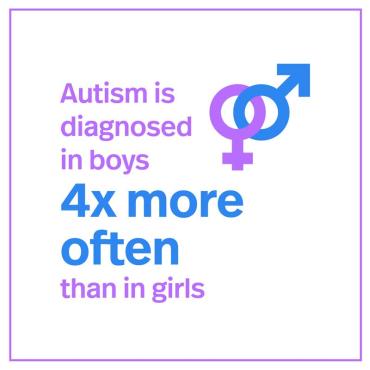
Anybody can be autistic, regardless of sex, age, race, or ethnicity. However, research from the CDC says that boys get diagnosed with autism four times more often than girls. According to the DSM-5-TR, the diagnostic manual for ASD, autism may look different in girls and boys. Girls may have a more subtle presentation of symptoms, fewer social and communication challenges, and fewer repetitive behaviors. Their symptoms may go unrecognized by doctors, often leading to underdiagnosis or misdiagnosis. Getting a diagnosis is also harder for autistic adults, who often learn to “mask”, or hide, their autism symptoms.
Autism is a lifelong condition, and an autistic person’s needs, strengths, and challenges may change over time. As they transition through life stages, they may need different types of support and accommodations. Early intervention and therapies can make a big difference in a person’s skills and outcomes later in life.
Autism Screening
There is no medical autism test, like a blood test, to diagnose autism spectrum disorder (ASD). Instead, experienced medical professionals examine a person’s developmental history and behavior, interview and observe the person and their loved ones, and use professional screening and diagnostic tools to make a diagnosis.
While an autism diagnosis can only be given by a health care professional, several screening tools can alert parents, caregivers, and autistic people to potential autism symptoms. Early screening for autism can impact access to services and support, which in turn can influence future outcomes for autistic individuals.
The screening tools below are designed to help identify children and adults who might have ASD. This list is not exhaustive, and other tests are available. Please note that a positive result on a screening tool is NOT a diagnosis. A positive screening result should be followed by a thorough assessment by a health care professional.
Autism screening tools
Modified Checklist for Autism in Toddlers (M-CHAT-R)
For ages 16 to 30 months
The M-CHAT-R is a free parent-completed questionnaire that will ask a series of 20 questions about your child’s behavior. You can use the results of the screener to discuss any concerns that you may have with your child’s healthcare provider. Take the 2-minute screening questionnaire.
Social Attention and Communication Surveillance-Revised (SACS-R) and SACS-Preschool (SACS-PR) Tools
For ages 12 to 60 months
The SACS-R and SACS-PR are autism screening tools developed by La Trobe University and designed to identify behaviors that are characteristic of children on the spectrum from as young as 12 months old through preschool. This tool is meant to be administered by a trained psychologist, early childhood educator, allied health professional, or other professional.
Social Challenges Screening Questionnaire (SCSQ)
For school-aged children
Developed to be taken by parents, educators, and medical professionals, Southwest Autism Research & Resource Center’s (SARRC) 15-question Social Challenges Screening Questionnaire can identify children who may have symptoms that were once characterized as Asperger syndrome, now level 1 ASD. Take the Social Challenges Screening Questionnaire.
Autism Spectrum Quotient (AQ) Test
For ages 16+ years
The Autism Spectrum Quotient Test is a self-administered 50-question questionnaire used to measure autistic traits in adolescents and adults aged 16+. The questionnaire is suitable for people with an IQ over 80. Take the Autism Spectrum Quotient Test.
What Causes Autism?

There are many causes of autism. Research suggests that autism spectrum disorder (ASD) develops from a combination of:
- Genetic influences and
- Environmental influences, including social determinants
These factors appear to increase the risk of autism and shape the type of autism that a child will develop. However, it’s important to keep in mind that increased risk is not the same as a cause. For example, some gene changes associated with autism can also be found in people who don’t have the disorder. Similarly, not everyone exposed to an environmental risk factor for autism will develop the disorder. In fact, most will not.
Autism Risk Factors

There are many causes of autism. Research suggests that autism spectrum disorder (ASD) develops from a combination of:
- Genetic influences and
- Environmental influences, including social determinants
These factors appear to increase the risk of autism and shape the type of autism that a child will develop. However, it’s important to keep in mind that increased risk is not the same as a cause. For example, some gene changes associated with autism can also be found in people who don’t have the disorder. Similarly, not everyone exposed to an environmental risk factor for autism will develop the disorder. In fact, most will not.
What Are The Symptoms Of Autism?

The Two Core Autism Symptoms Are:
- Challenges with social communication and interaction skills and
- Restricted and repetitive behaviors
While autism spectrum disorder (ASD) looks different from person to person, doctors look for these two symptoms when making a diagnosis. They also rate the severity of these symptoms based on the level of daily support the person requires. Severity levels range from level 1 (“requiring support”) to level 3 (“requiring very substantial support”). Not all people with ASD present these two core symptoms the same way. Additionally, some people without ASD may exhibit these signs.
Social Communication And Interaction Skills
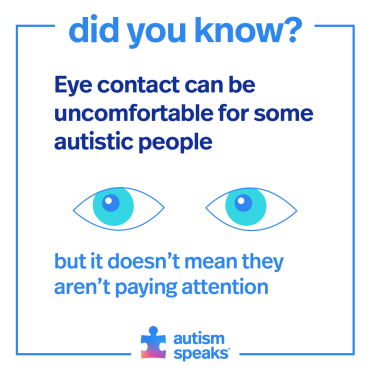
Children and adults with autism may have difficulty with social interaction and communication skills, particularly in these three areas:
- Social interactions
- Starting and taking turns in conversations
- Sharing interests or emotions
- Understanding what others are thinking or feeling
- Communication
- Making eye contact
- Understanding other people’s body language, gestures, and facial expressions
- Regulating tone of voice (e.g., they may speak too loudly, too quietly, and/or with a monotone voice)
- Developing, maintaining, and understanding relationships
- Expressing feelings and seeking emotional comfort from others
- Making friends and playing with peers
- Understanding boundaries and personal space
- Feeling overwhelmed in social situations
Restricted and repetitive behaviors
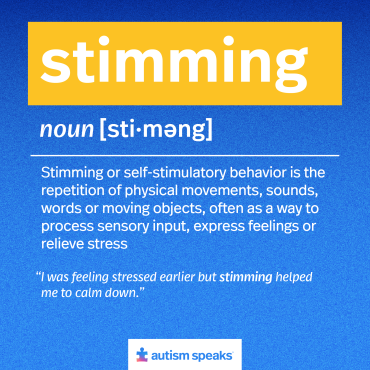
Restricted and repetitive behaviors vary greatly across the spectrum. To get an autism diagnosis, a person must show at least two types of these behaviors:
- Repetitive movements, play, or speech patterns
- Stimming, or making repetitive body movements to regulate emotions (e.g., rocking, hand flapping, spinning, running back and forth)
- Lining up toys in a row, spinning wheels, repeatedly flipping switches
- Imitating another person’s speech, repeating words or phrases (also known as echolalia)
- Insistence on sameness and need for routine
- Extreme distress at even small changes in plans or routine
- Ritualistic behaviors (e.g., watching the same videos over and over, repeatedly touching objects in a set order)
- Need for routine (e.g, same daily schedule, meal menu, clothes, route to school)
- Intense and highly focused interests
- Extreme interest or knowledge of specific, narrow topics
- Strong attachment to a certain object (e.g., a toy or figurine)
- Under- or over-sensitivity to sensory stimulation
- Sensory differences, like unusual sensitivity to light, sound, touch, or texture
- Lack of sensitivity to pain or temperature
- Sensory-seeking behaviors (e.g., smelling or touching of objects, visual fascination with lights or movement)
Autism characteristics
People may also show other characteristics of autism. These might include:
- Using other kinds of communication besides spoken language (e.g., typing on a computer, pointing to pictures on a tablet, or communicating through behavior)
- Difficulty with executive functioning (e.g., planning how to complete a task, juggling multiple tasks, making decisions)
- Trouble with fine motor skills and coordination
- Needing help with daily living skills
- Difficulty regulating and/or communicating emotions, sometimes resulting in harmful or self-injurious behaviors, sensory overload, meltdowns, or shutdowns
Masking autism symptoms
Some autistic people suppress or hide their autism symptoms to be accepted or meet societal expectations. This is called masking or camouflaging. Masking might look like pushing through your sensory discomfort in a loud room or forcing eye contact during a conversation. Research shows that masking is more common in girls and women and can cause mental health issues.
Signs Of Autism
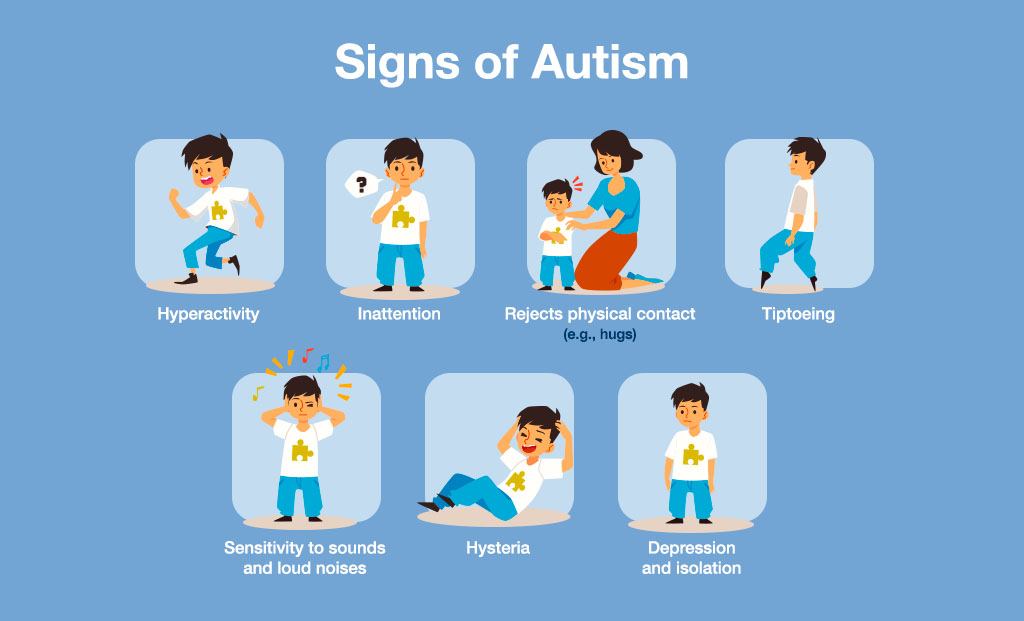
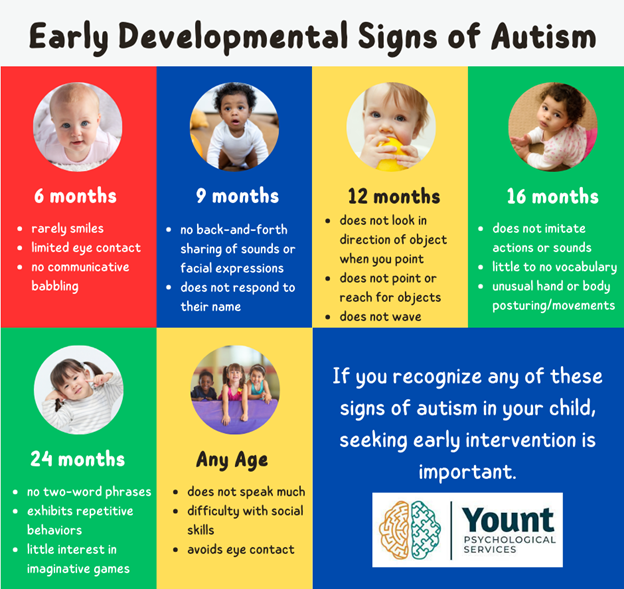
One of the most important things you can do as a parent or caregiver is to learn the early signs of autism and become familiar with the developmental milestones that your child should be reaching.
The list below gives some examples of common types of behaviors you might see in children diagnosed with autism spectrum disorder (ASD). Not all autistic children will have all these behaviors, but most will have several of the behaviors listed below. That’s why professional evaluation is crucial. Additionally, some children without ASD might display some of these behaviors. However, for those with ASD, these behaviors can be disruptive or challenging to daily life.
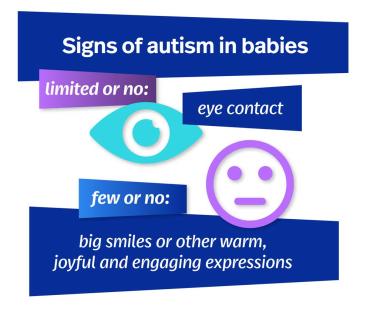
Signs of Autism In Babies
By 6 Months
- Few or no big smiles or other warm, joyful, and engaging expressions
- Limited or no eye contact
By 9 Months
- Little or no back-and-forth sharing of sounds, smiles, or other facial expressions
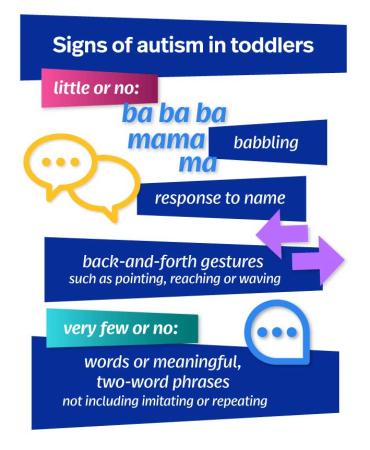
Signs Of Autism In Toddlers
By 12 Months
- Little or no babbling
- Little or no back-and-forth gestures such as pointing, showing, reaching or waving
- Little or no response to name
By 16 Months
- Very few or no words
By 24 Months
- Very few or no meaningful, two-word phrases (not including imitating or repeating)
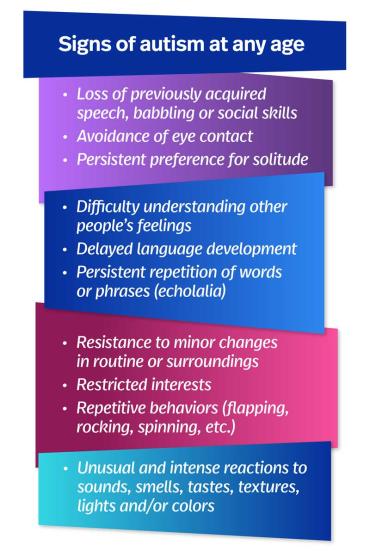
Signs Of Autism At Any Age
- Loss of previously acquired speech, babbling, or social skills
- Avoidance of eye contact
- Persistent preference for solitude
- Difficulty understanding other people’s feelings
- Delayed language development
- Persistent repetition of words or phrases (echolalia)
- Resistance to minor changes in routine or surroundings
- Restricted interests
- Repetitive behaviors (flapping, rocking, spinning, etc.)
- Unusual and intense reactions to sounds, smells, tastes, textures, light, and/or colors
At What Age Is Autism Diagnosed?
Age of autism diagnosis and early signs of autism can vary widely from child to child. Some children show early signs of autism within the first 12 months of life. In others, autism signs may not show up until 24 months of age or later. Importantly, some children with ASD gain new skills and meet developmental milestones until around 18 to 24 months of age, and then they stop gaining new skills or lose the skills they once had.
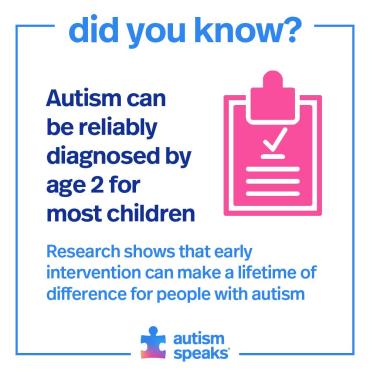
The American Academy of Pediatrics (AAP), the leading pediatric health organization in the United States, recommends that all children be screened for autism at ages 18 months and 24 months, in addition to undergoing developmental and behavioral screenings during their regular well-child visits at 9 months, 18 months, and 30 months. Research shows that by age 2, an ASD diagnosis by an experienced professional can be considered reliable.
Signs of Autism In Adults
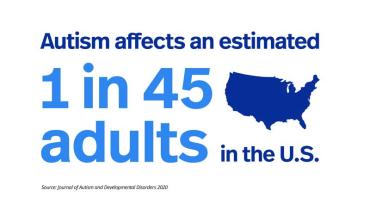
1 in 45 adults in the U.S. are diagnosed with autism spectrum disorder (ASD). While society is much more aware of autism today than ever before, thanks to improved public health outreach and increased screening, advocacy, and awareness efforts, there are likely many adults with autism who never received a diagnosis or were misdiagnosed.
You may have spent your entire life not recognizing the signs of autism or not realizing that some of the issues and feelings you have dealt with were related to autism. If you suspect you may be autistic or you know an adult who may be on the spectrum, learning about the common signs of autism is the first step to understanding whether you or your loved one may have undiagnosed ASD.
Common Characteristics Of Autistic Adults

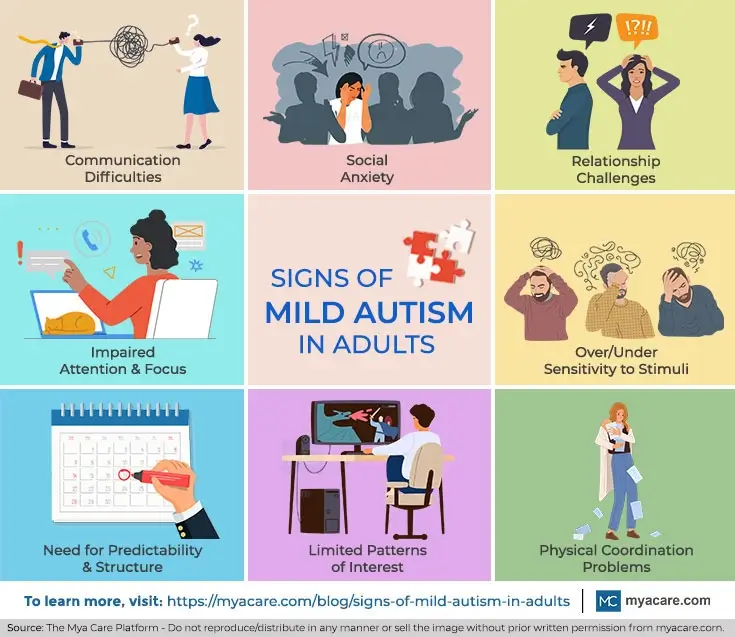
The hallmarks of autism are challenges with social communication skills and restricted and repetitive behaviors—and this is no different in adults. Below, you can find a list of some signs and symptoms of autism in adults.
Note: You may not display all of these characteristics. As you age, you may experience changes in your behavior and interests. Additionally, a major life change, including transition in and out of college, job switches, or change in family status (marriage/divorce, birth of children, loss of parent), can result in a change in these symptoms. The existence of co-occurring conditions like anxiety and ADHD might also affect the manifestation of your autism.
Social Interactions
- Feeling awkward in social situations
- Having difficulty understanding what others are thinking or feeling
- Preferring to be alone
- Difficulty making friends
- Having difficulty understanding social rules
Verbal And Nonverbal Communication
- Difficulty making eye contact
- Responding to conversations in a blunt way
- Taking things literally
Repetitive and/or Restrictive Behaviors
- Having the same routine every day
- Noticing small details or patterns that peers wouldn’t
- Having very intense and specific interests
Masking In Autistic Adults

Many autistic adults choose to mask, or camouflage, their autism symptoms. Research shows that autistic people may engage in masking because they want to fit in, be accepted, and avoid drawing attention to themselves in social situations. Others resort to masking as a means to avoid bullying, maintain friendships, and succeed at work and school.
It’s possible to mask your autism without even realizing it. For some people, masking looks like adopting more “subtle” stimming behaviors, like using a fidget spinner instead of flapping their hands. Some might adopt a whole different persona, imitating the speech and body language of others during social interactions. Some force themselves to make eye contact or be more expressive with their facial expressions, even if doing so feels uncomfortable or unnatural.
While masking may help some autistic adults navigate social situations, jobs, and relationships, research shows it can have negative effects on mental health. Some people find masking draining and exhausting, while others report feeling isolated and misunderstood as a result of their efforts to mask their autism.
Signs Of Autism In Women And Girls
Research shows that autism in adult women and girls can look different than in men and boys. According to the DSM-5-TR, the American Psychiatric Association’s most recent diagnostic manual of mental disorders including autism spectrum disorder (ASD), autistic girls and women may present with:
- Better reciprocal conversation skills
- Higher likelihood of sharing interests with others
- Better ability to understand verbal and nonverbal communication
- Better ability to modify their behavior based on the situation
- Less obvious repetitive behaviors
- More socially accepted special interests (like celebrities or animals)
Differences In Diagnosis
Because their autism symptoms tend to be more subtle, women and girls without intellectual disability (ID) or language delays often struggle to get an autism diagnosis, receive a diagnosis later in life, or get misdiagnosed. According to the CDC, girls are 4 times less likely to be diagnosed with autism than boys. On average, they also receive a diagnosis almost a year later than boys—at age 5.6 for girls versus 4.8 for boys.
Those who do receive a diagnosis are more likely to have co-occurring ID, epilepsy, and anxiety.
Masking In Autistic Women And Girls
Research shows that women and girls are more likely to mask or hide their autism symptoms in order to fit in. This often happens when they are in spaces where they do not feel welcome or safe, or where they have not disclosed their diagnosis (like work or school).
Masking Can Look Like:
- Forcing eye contact with others
- Holding back stimming behaviors
- Creating “scripts” for conversations or social situations
- Imitating other people’s facial expressions and gestures
- Hiding special interests
Research shows that masking may be harmful to mental health and well-being, causing anxiety, depression, stress, and even suicidality. Masking can also lead to delayed diagnosis, preventing autistic people from getting the support they need until later in life.
Autism Diagnosis
Are You Seeking An Autism Diagnosis?
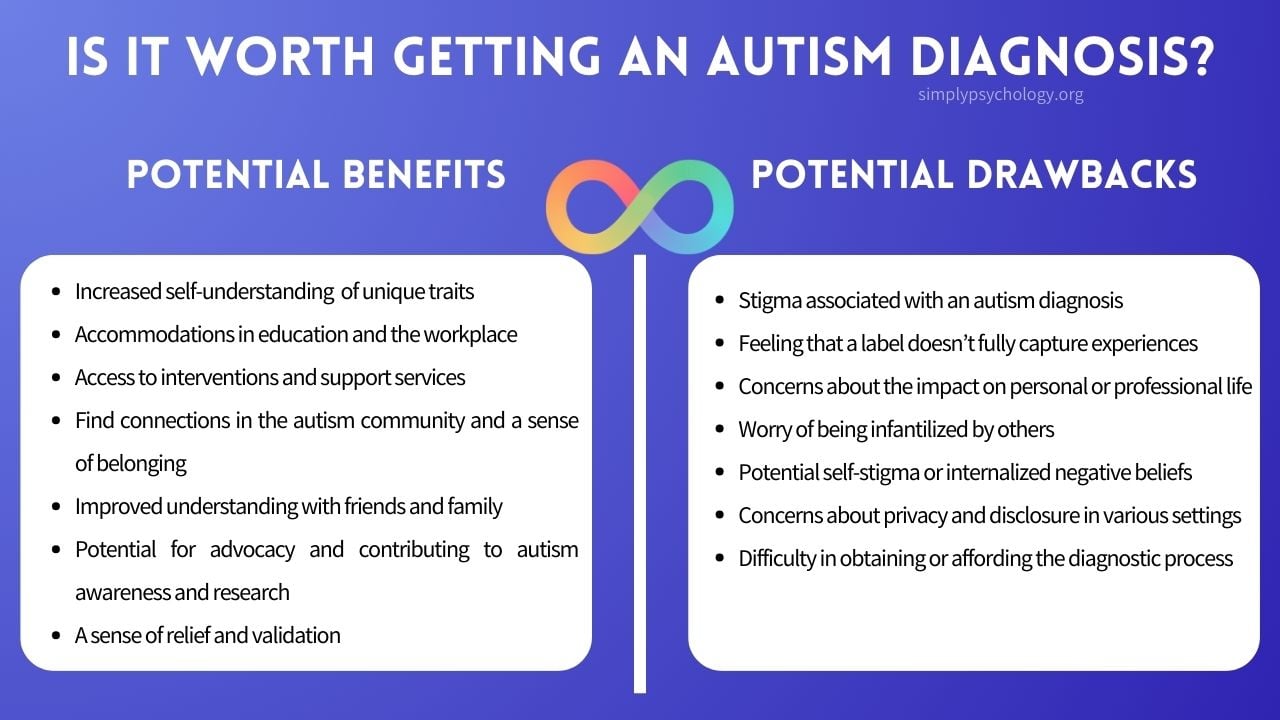
Whether you’re looking for information about the diagnostic criteria for autism spectrum disorder (ASD), navigating the process of getting an autism diagnosis for your child, or exploring the steps involved in getting a diagnosis as an adult, you’ve come to the right place.
ASD Levels Of Severity
Severity Levels For Autism Spectrum Disorder
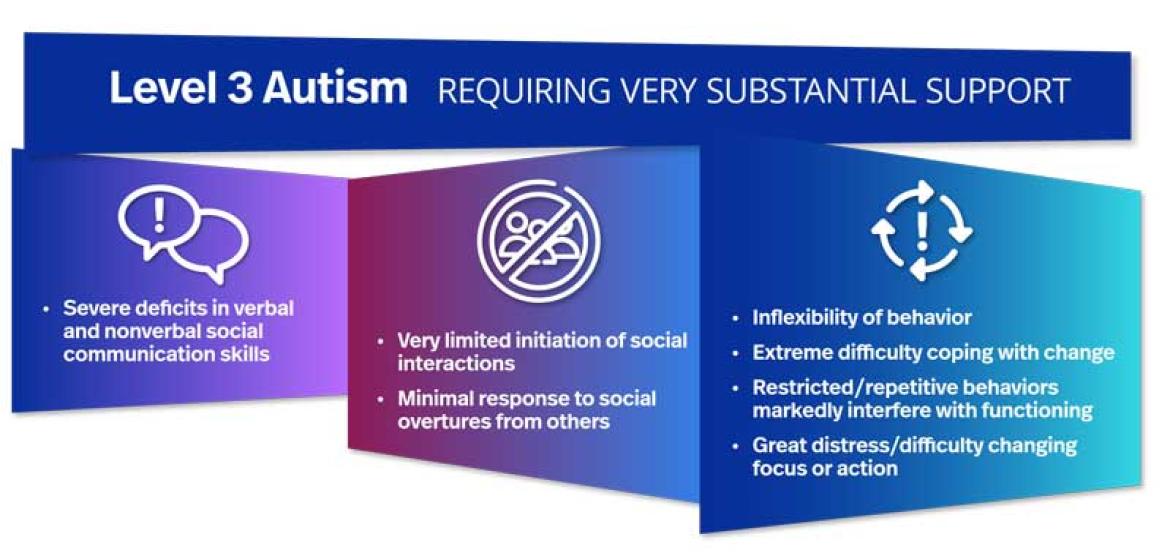
Level 3 Autism: “Requiring Very Substantial Support”
Social Communication
Severe deficits in verbal and nonverbal social communication skills cause severe impairments in functioning, very limited initiation of social interactions, and minimal response to social overtures from others. For example, a person with few words of intelligible speech who rarely initiates interaction and, when he or she does, makes unusual approaches to meet needs only and responds to only very direct social approaches
Restricted, Repetitive Behaviors
Inflexibility of behavior, extreme difficulty coping with change, or other restricted/repetitive behaviors markedly interfere with functioning in all spheres. Great distress/difficulty changing focus or action.
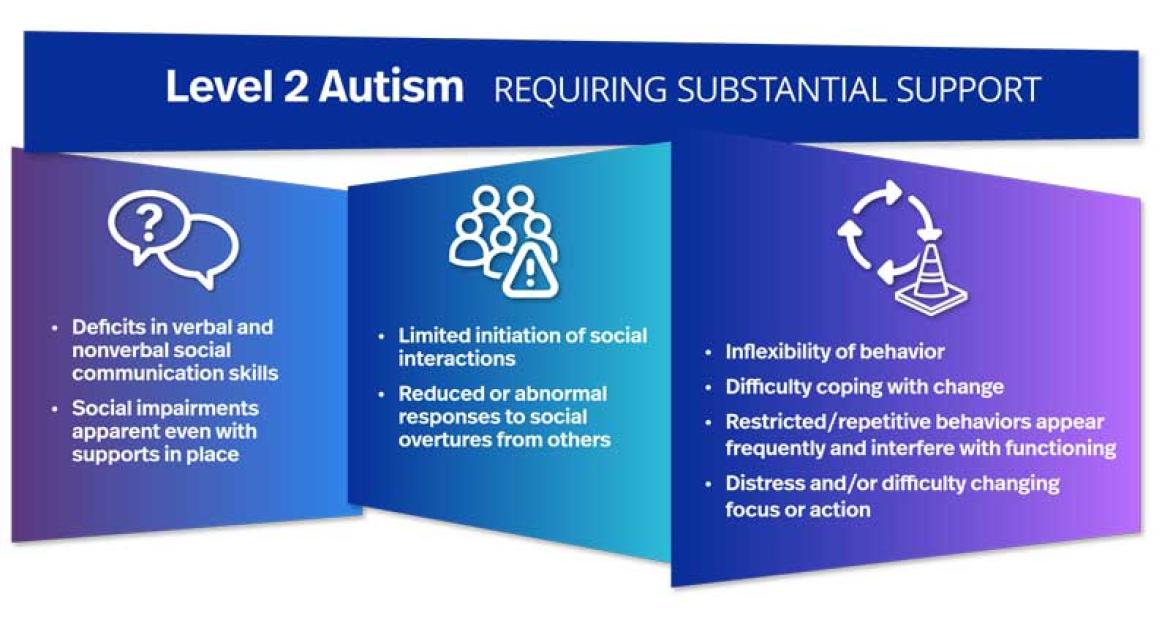
Level 2 Autism: “Requiring Substantial Support”
Social Communication
Marked deficits in verbal and nonverbal social communication skills; social impairments apparent even with supports in place; limited initiation of social interactions; and reduced or abnormal responses to social overtures from others. For example, a person who speaks simple sentences, whose interaction is limited to narrow special interests, and who has markedly odd nonverbal communication.
Restricted, Repetitive Behaviors
Inflexibility of behavior, difficulty coping with change, or other restricted/repetitive behaviors appear frequently enough to be obvious to the casual observer and interfere with functioning in a variety of contexts. Distress and/or difficulty changing focus or action.
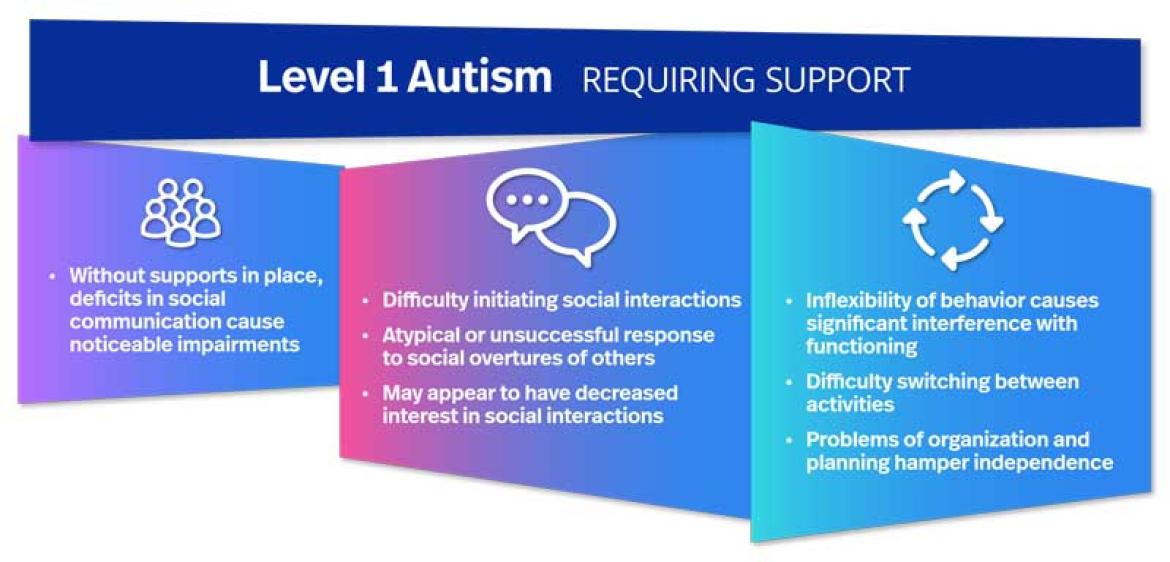
Level 1 Autism: “Requiring support”
Social Communication
Without supports in place, deficits in social communication cause noticeable impairments. Difficulty initiating social interactions, and clear examples of atypical or unsuccessful responses to the social overtures of others. May appear to have decreased interest in social interactions. For example, a person who can speak in full sentences and engages in communication but whose to-and-fro conversation with others fails, and whose attempts to make friends are odd and typically unsuccessful.
Restricted, Repetitive Behaviors
Inflexibility of behavior causes significant interference with functioning in one or more contexts. Difficulty switching between activities. Problems of organization and planning hamper independence.
Autism Diagnosis For Children
When getting an autism diagnosis for your child, it’s important to obtain an evaluation by health care professionals who are experienced in identifying autism spectrum disorder (ASD) across a range of ages and symptom severity. It would be helpful to find someone who has evaluated hundreds of individuals, not just a few here and there.
Ideally, the team should include a medical specialist such as a developmental pediatrician, psychiatrist or neurologist. In addition, it should include a psychologist with expertise in diagnosing autism, a speech-language pathologist and possibly an occupational therapist.
Autism Diagnosis As An Adult
Most people are diagnosed with autism in childhood. However, as autism becomes better understood, more adults are getting a diagnosis later in life.
There are many reasons why autistic adults may remain undiagnosed. Some may not be aware that their behaviors are related to autism. Others have learned coping strategies that allow them to navigate their differences in their daily lives. Still, others may find the cost of a diagnosis to be inaccessible.
Many adults who show signs of autism but are not formally diagnosed live happy and full lives, but others may find certain aspects of life difficult. They may struggle to build meaningful relationships or have satisfying careers, despite wanting these things. Undiagnosed adults may also feel alienated and different without understanding why. In these cases, getting a diagnosis can provide a sense of relief, offering answers to life-long questions about identity.
For a complete overview on getting an autism diagnosis as an adult, check out the Adult Autism Diagnosis Tool Kit.
The only way to know for sure if you are autistic is to get a formal diagnosis. The gold standard is to obtain a diagnosis from a psychologist, psychiatrist, or similarly trained clinician who specializes in ASD, but you may want to start by making an appointment with your primary care physician. You should expect that your doctor will want to rule out other conditions or uncover conditions that commonly co-occur with autism.
You can also check with a respected autism center in your area, like those in Autism Speaks ACNet; search by your zip code in the Autism Speaks Resource Guide; reach out to the Autism Speaks Autism Response Team; or ask your insurance provider.
Adult Autism Testing
There is not one autism test for adults. Instead, an autism evaluation typically consists of multiple appointments with a clinician. Unlike many health care visits, you won’t be asked to change into a gown or go through any scans or blood draws. Instead, you will talk with the clinician, do some cognitive activity-based tests, and be asked to fill out a couple of questionnaires.
Getting a diagnosis as an adult can be more challenging than getting one as a child. Oftentimes, health care professionals ask adults seeking a diagnosis or their loved ones questions about their early development, which some people may not have answers to. A history of other diagnoses may also complicate getting an autism diagnosis.
Benefits Of Getting An Adult ASD Diagnosis
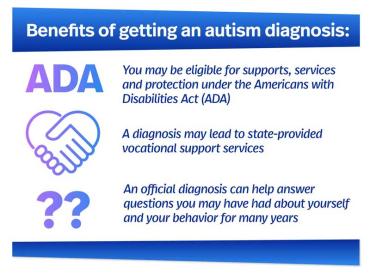
One reason to pursue an ASD evaluation is that an adult with a formal diagnosis could be eligible for support, services, and protection under the Americans with Disabilities Act (ADA). The act spells out specific rights, including the right to reasonable accommodations at work and school and protection against discrimination based on difficulties associated with autism.
A diagnosis could also lead to state-provided vocational support services. This can include vocational rehabilitation programs that provide counseling and job placement services for people with disabilities, including autism.
An official diagnosis can also help answer questions you may have had about yourself and your behavior for many years. For some, it is simply a relief to know that these behaviors can now be explained with the diagnosis. It can help you focus on your strengths and work around your challenges.
You May Want A Formal Autism Diagnosis If:
- You need a specific type of therapy or other service that is only offered to those with a current autism diagnosis.
- You want to access disability services and legal protections offered through the federal government or your state and are without another diagnosis that allows you to access them.
- Your source of funding for services (health insurance, grants, or government programs) is limited to people with autism.
Note: The rise in availability and ease of accessibility to information about autism has resulted in an increase in the number of people identifying with autistic traits. Given the barriers to getting a diagnosis, some people opt to self-identify as autistic after exhaustive research and careful self-reflection. Some may even identify as “self-diagnosed.” However, a diagnosis can only be done by a qualified professional. Importantly, a major limit to self-identification is that it prevents you from accessing autism services and legal protections.
Autism Risk Factors
How Do Genetic And Environmental Influences Give Rise To Autism?
Most appear to affect crucial aspects of early brain development. Many autism risk genes influence other networks of genes, increasing or decreasing their expression. Some appear to affect how brain nerve cells, or neurons, communicate with each other. Others appear to affect how entire regions of the brain communicate with each other. Research continues to explore these differences to develop interventions and supports that can improve quality of life.
Do Vaccines Cause Autism?
There is no connection between vaccines and autism. Autism is often diagnosed around the same time children receive routine vaccinations, which has led to concerns about a connection—but decades of scientific research have confirmed that vaccines do not cause autism. In fact, vaccines play a crucial role in protecting children from serious diseases like measles. Explore the research on vaccines and autism.
Is Autism Genetic?
Research says that autism tends to run in families, and a meta-analysis of 7 twin studies claims that 60 to 90% of the risk of autism comes from your genome. If you have a child with autism, you are more likely to have another autistic child. Your other family members are also more likely to have a child with ASD.
Changes in certain genes or your genome increase the risk that a child will develop autism. If a parent carries one or more of these gene changes, they may get passed to a child (even if the parent does not have autism). For some people, a high risk for ASD can be associated with a genetic disorder, such as Rett syndrome or fragile X syndrome. For the majority of autism cases, multiple changes in other regions of your DNA increase the risk of autism spectrum disorder. The majority of these DNA changes do not cause autism by themselves but work in conjunction with many other genes and environmental factors to cause autism.
If you or your child has ASD, we recommend that you explore genetic testing. Genetic testing could show you the genetic cause of you or your child’s autism and reveal any genetic mutations that might be linked to serious co-occurring conditions like epilepsy. Genetic testing can give doctors useful information so they can provide better, more personalized interventions. Read two families’ stories on how genomics helped their understanding of autism and receiving personalized healthcare.
What Environmental Factors Are Associated With Autism?
According to the National Institute of Environmental Health Sciences, certain environmental influences may increase autism risk:
- Advanced parental age
- Prenatal exposure to air pollution or certain pesticides
- Maternal obesity, diabetes, or immune system disorders
- Extreme prematurity or very low birth weight
- Birth complications leading to periods of oxygen deprivation to the baby’s brain
Why is autism on the rise?
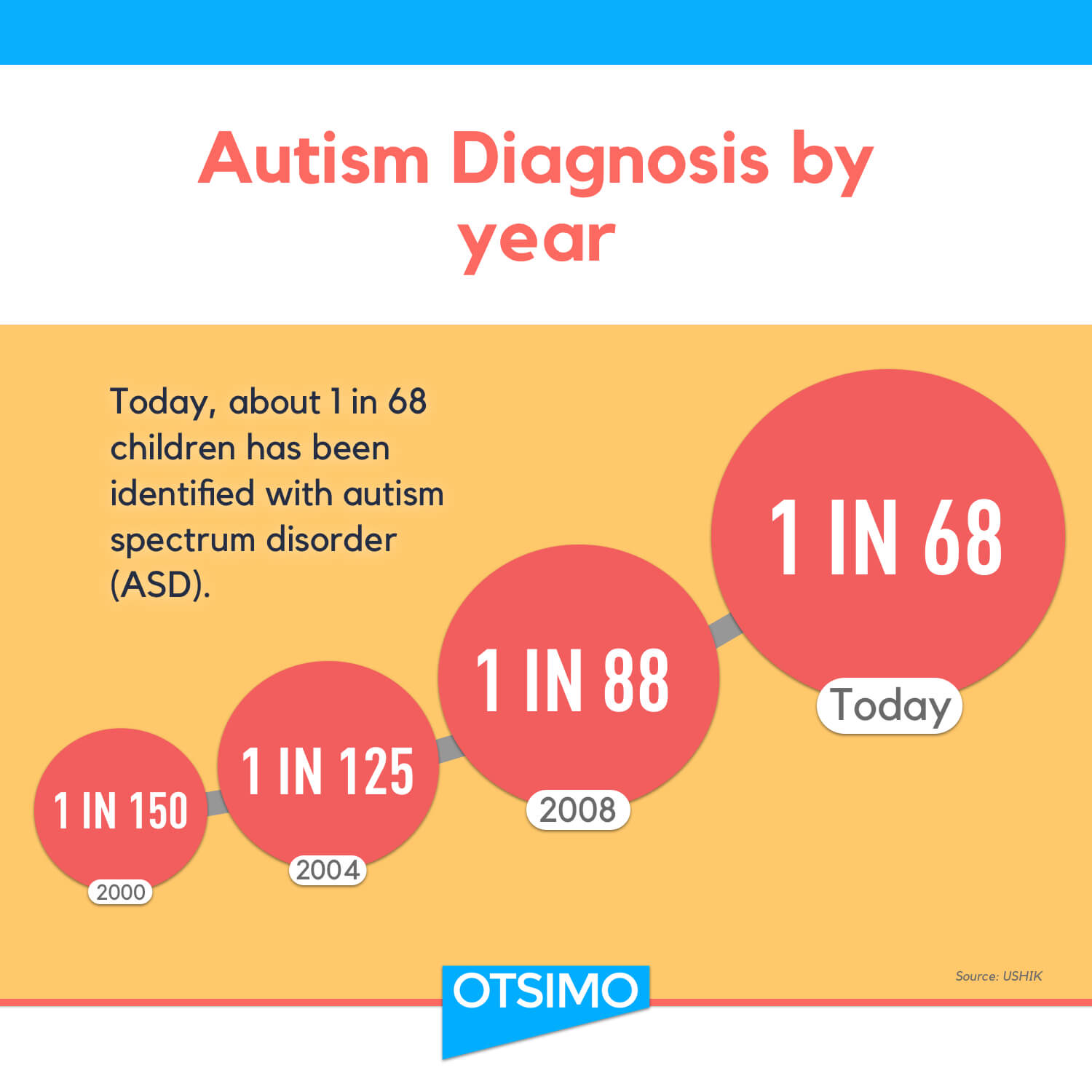
Autism prevalence has risen due to increased awareness of autism, broader diagnostic criteria for autism, improved screening tools, and standardized screening processes. These factors have led to earlier detection and more diagnoses.
- Changes in diagnostic criteria: Diagnostic guidelines have evolved from the DSM-III to the current DSM-5, broadening the definition of autism. The modern autism diagnosis now includes people with lower support needs who previously got a different diagnosis or were overlooked entirely.
- Improved screening tools and procedures: The development and widespread use of more effective screening tools, such as the Modified Checklist for Autism in Toddlers (M-CHAT) published in 2001, have enabled earlier and more accurate identification of autism in all young children.
- Increased awareness: Greater autism awareness in the public as well as among medical professionals has led to an increase in diagnoses. In 2007, the American Academy of Pediatrics (AAP) formally recommended that pediatricians begin incorporating standardized autism screening at 18- and 24-month well-child visits, leading to a rise in autism diagnosis and improved access to early intervention.
While the impact of other genetic and environmental factors on prevalence is still being studied, they likely account for only a small part of the increase.
Do vaccines Cause Autism?
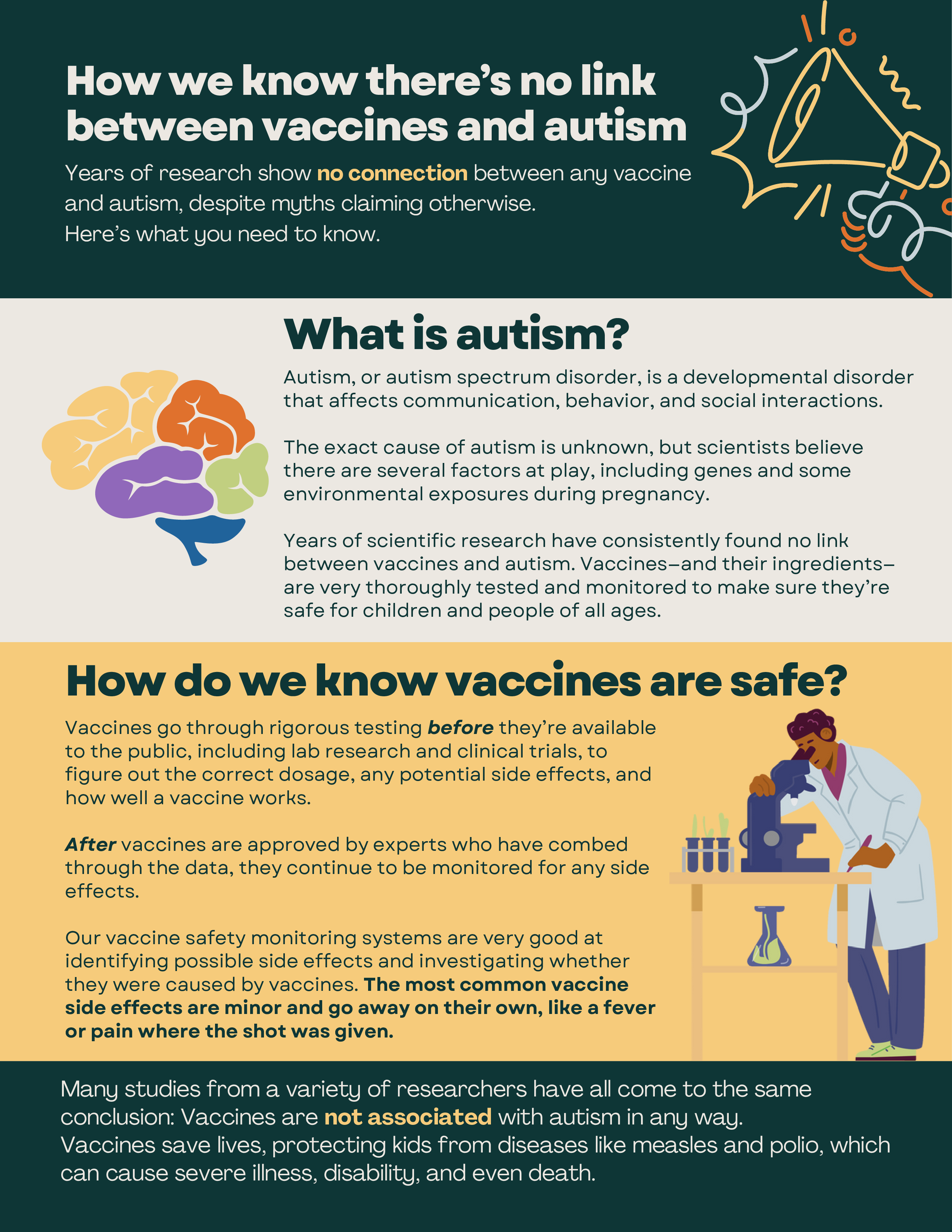
Vaccines do not cause autism. It is possible that the timing of an autism diagnosis or onset of autism symptoms might coincide with the recommended vaccine schedule for children, but this is a coincidence, not a cause.
Vaccines And Autism
Scientists have conducted extensive research all over the world over the last two decades to examine the link between childhood vaccinations and autism. The result of this research is clear: vaccines do not cause autism.
Additionally, vaccination can protect children from many preventable diseases like measles. Learn more about vaccine safety.
There are many causes of autism. Learn about the factors that increase the risk of ASD and shape the type of autism that a child will develop.
Origin Of The “Vaccines Cause Autism” Myth
The hypothesis that autism might be caused by the mumps, measles, and rubella (MMR) vaccine was first proposed in a 1998 study by Wakefield et al. that suggested that vaccinations caused developmental regression in a small group of children. The study only examined 12 children and was later retracted, or taken off the scientific record, because of flawed methodology and scientific misconduct. This study has been widely discredited, and later, large-scale studies have disproven its claims, finding no link between the MMR vaccine and autism.
Asperger Syndrome
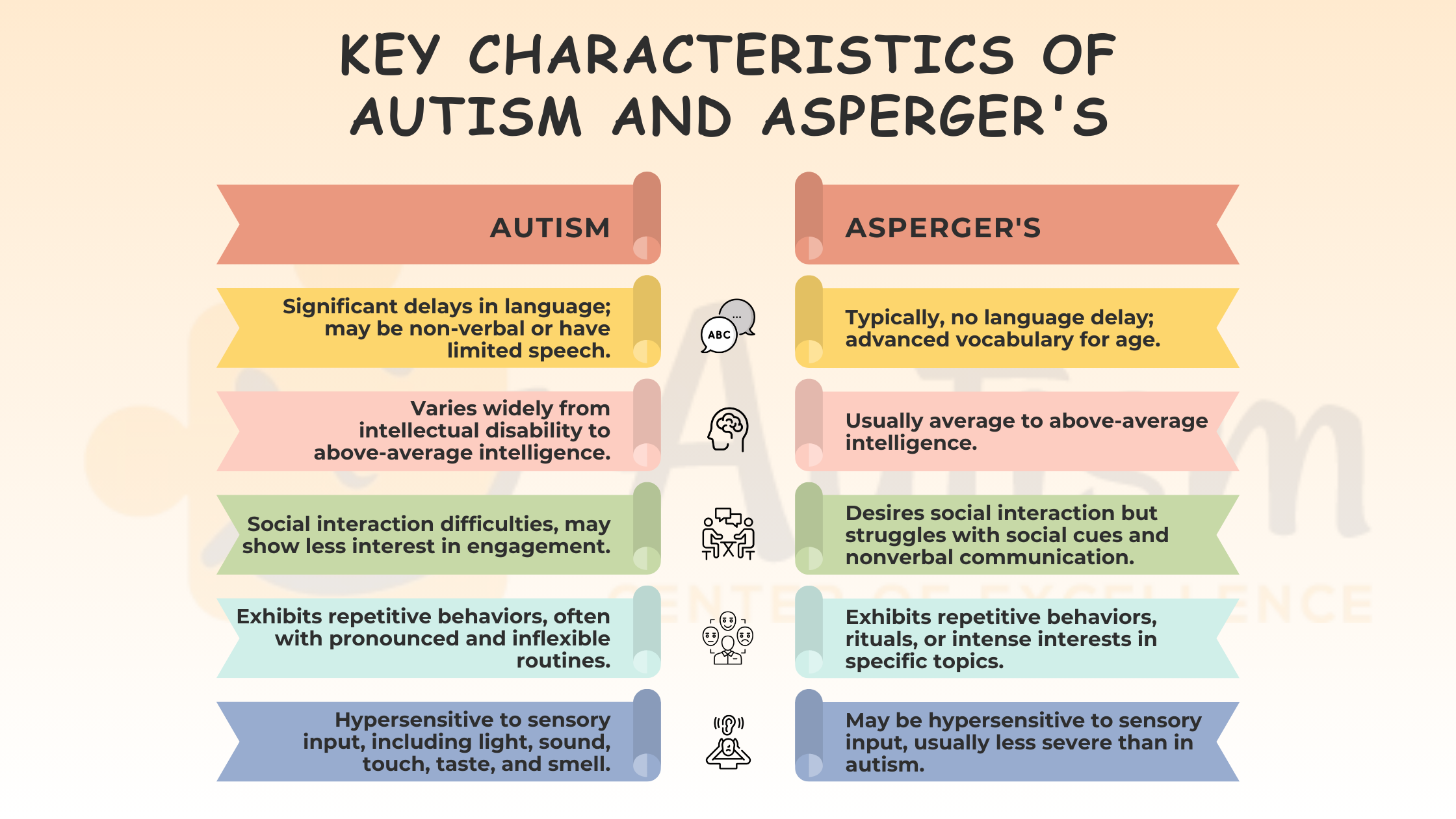
From 1994 to 2013, Asperger syndrome, commonly called Asperger’s, existed as a distinct category in the Diagnostic and Statistical Manual of Mental Disorders (DSM) and was considered one of five pervasive developmental disorders. In 2013, due to inconsistencies in the diagnostic criteria, Asperger’s was folded into one general category for Autism Spectrum Disorder (ASD).
Asperger’s Is Now Known As Autism
Since U.S. practitioners can no longer officially diagnose someone with Asperger’s, anyone who was given that diagnosis before that year is now considered to have autism.1
Though no two people are ever identical, the core issue of those on the spectrum—including people diagnosed with Asperger’s syndrome—is difficulty with social interactions. That might present itself as an inability to communicate clearly, read others’ emotions, and/or clearly express oneself. However, a lack of verbal communication is neither a failing nor a lack of intelligence.
Despite this reference, functioning labels (high vs. low functioning) are harmful to the autistic community as they have problematic origins and are an inaccurate way of describing the range of support needs autistic people have. The needs and experiences of autistic people are more complex than high or low functioning can describe.
According to the Centers for Disease Control and Prevention (CDC), about 1 in 54 children are diagnosed as being autistic. Asperger’s, while no longer in use, is estimated to describe 37.2 million people worldwide.
What is Asperger’s Syndrome?
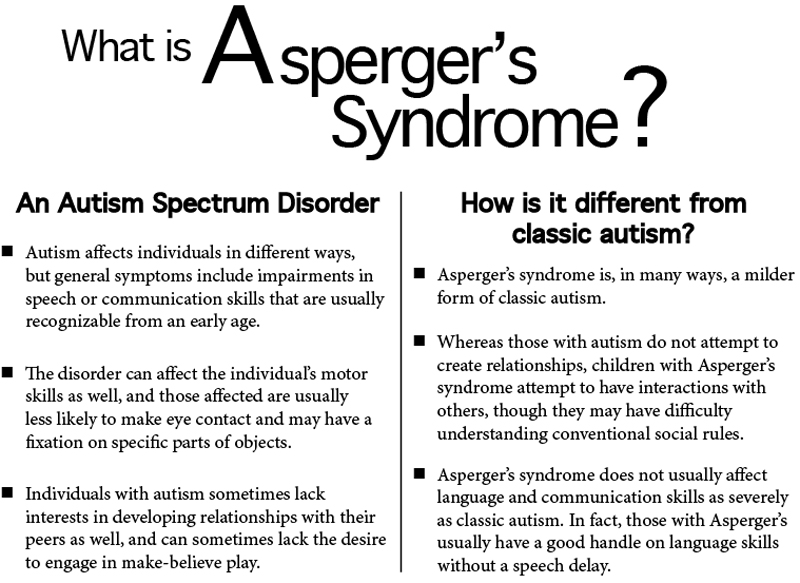
Asperger syndrome, or Asperger’s, is a previously used diagnosis on the autism spectrum. It was one of five forms of autism defined by the DSM-IV. In 2013, Asperger syndrome and the other autism-related diagnoses were folded into the broader autism spectrum disorder (ASD) diagnosis in the Diagnostic and Statistical Manual of Mental Disorders 5 (DSM-5), now the DSM-5-TR.
The previous Autism Diagnosis Categories Included:
- Autistic disorder
- Childhood disintegrative disorder
- Pervasive developmental disorder, not otherwise specified (PDD-NOS)
- Asperger syndrome
- Rett syndrome
Although Asperger syndrome has been retired from use by medical professionals, some who received the diagnosis before 2013 still use the term and see it as an important part of their identity. Others prefer to refer to themselves as autistic. Both are correct; it is just a matter of personal choice.
Asperger Syndrome Symptoms
There is significant overlap in Asperger’s symptoms and ASD symptoms. Learn more about the symptoms of autism.
What is Asperger’s Called Now?
Today, those who would have previously met the criteria for Asperger syndrome are diagnosed with level 1 ASD. There is no difference between Asperger’s and autism level 1 diagnoses.
How to Celebrate World Autism Awareness Day
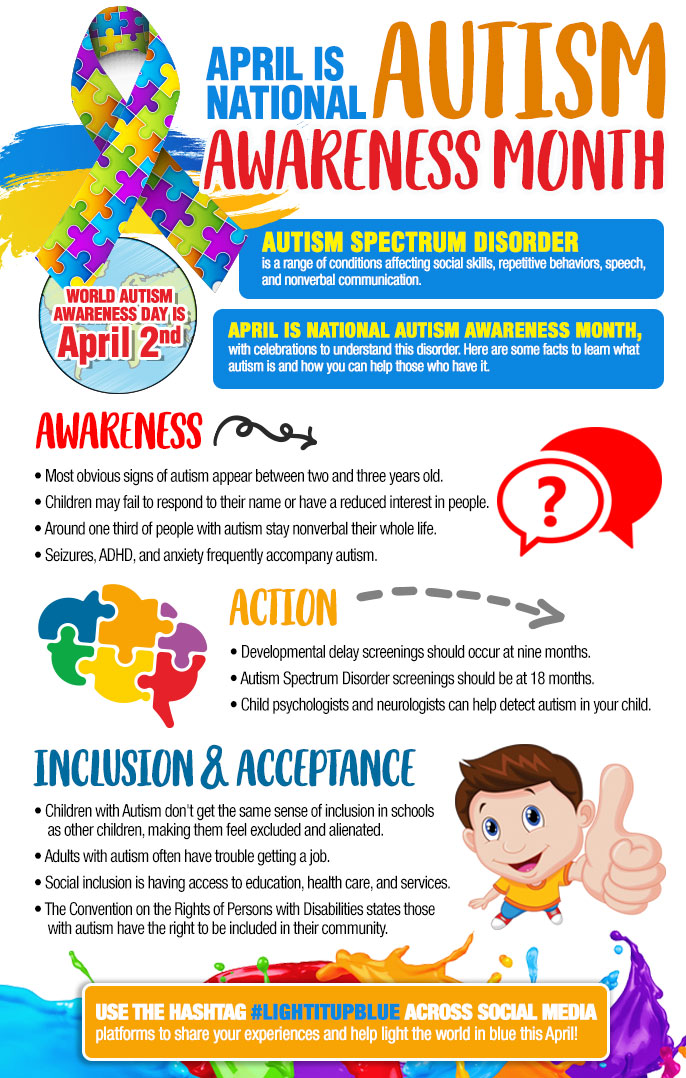
There are many ways to participate in World Autism Awareness Day and promote acceptance and understanding of autism:
- Light It Up Blue: Join the global campaign to “Light It Up Blue” by wearing blue clothing or accessories or lighting up buildings and landmarks in blue. This symbol of solidarity helps raise awareness and show support for individuals with autism.
- Educate Yourself and Others: Take time to learn more about autism spectrum disorder, including the experiences of those who live with it. Share resources, books, documentaries, and personal stories to help educate your community.
- Support Autism-Friendly Businesses: Visit and support businesses that are inclusive and accommodating to individuals with autism. Your support helps create environments where everyone feels welcome and understood.
- Participate in Fundraising Events: Join or organize events such as walks, runs, or virtual fundraisers to support organizations that provide resources, advocacy, and support for people with autism and their families.
- Advocate for Inclusion: Support policies and initiatives that promote inclusion and accessibility for individuals with autism in schools, workplaces, and public spaces. Your advocacy can help ensure that everyone has the opportunity to thrive.
- Share on Social Media: Use social media to spread messages of acceptance and inclusion. Share facts, personal stories, and event details using relevant hashtags to raise awareness and encourage others to take part.
In conclusion, World Autism Awareness Day serves as a reminder of the importance of promoting awareness and understanding of autism. By increasing awareness of autism, we can work towards creating a more inclusive and supportive community for individuals with autism and their families. There are many ways to get involved in raising awareness and support for people with autism, such as participating in events and activities, educating yourself, supporting local autism organizations, advocating for autism-friendly policies, and being a supportive ally. Let’s continue to work together to reduce stigma and discrimination, promote inclusion, and create a more accepting society for all individuals, including those with autism.
Thank you for visiting my blog and reading today’s post. I hope it was as informative to read as it was to write. I shall turn off for the next two weeks to rest as my body is sadly going into a crash, and I need time to recuperate and get it back to my level of normal, so for now, I shall say see you later. 👋


Well researched article on Autism
Thanks for sharing..
LikeLiked by 2 people
Autism presents in so many different ways. Excellent article.
LikeLiked by 1 person
Thorough and beautifully organized.
LikeLiked by 2 people
In my past teaching experience, I’ve found minimal reason to label someone purely as autistic.
In fact. I have enjoyed the challenge of getting through to them.
LikeLiked by 3 people