

Good morning, did everyone in the U.K manage to enjoy the little bit of sunshine we had in the past couple of weeks? We certainly did 😃 In fact we made the most of it by going out a lot including to the Sculpture park that’s not far from where we live! Unfortunately we didn’t anticipate how big it was so only managed to get about halfway round the park (with numerous picture opportunities 📸) before we decided we’d stop and do the other half another day, luckily it didn’t cost us that much and isn’t that far by car! My dad 🧔🏻♂️finished work on Saturday for the week so we decided to go on a mini-vacation for a couple of days, it’s always pot luck wherever we decide to go, but this time we ended up going to Chester – we made the most of our time there, even going to the Ice Cream Farm 🍦 which I’d highly recommend for taking kids (especially if you want to tire them out), as they not only had Go-Karts and tractors you can play on, they also had a massive play park right in the centre of the place itself, as well as a soft play area to go wild in 🤪 and the Ice Cream flavours were amazing, there was so many to choose from, all in all we had a good and stress-free break away from everything! Other than that, we’ve also had a few appointments and a hospital trip to get my mums foot X-rayed as it cracked on her whilst she was going up the stairs, luckily nothing is broken just a bit of soft tissue damage, with some foot exercises and some paracetamol it should be back to normal within a few weeks! Anyway let’s get on with today’s post…
Diving straight on with today’s post…Developmental Disabilities Awareness Month 2025 is an annual event that takes place in March and spreads awareness about developmental disabilities. It aims to highlight the importance of including people with developmental disabilities in all areas of society and educate people on the impact of developmental disabilities and their effects on the lives of those who live with them. I know a lot of people who have different types of developmental disabilities, friends who I went to school with and family members who I grew up with, and I wanted to do a post on this to raise awareness as it’s something close to my heart, so let’s get to it shall we?

The world has come a long way since people with developmental disabilities were ostracized, institutionalized, marginalized, and even treated as objects of scorn.
Even so, there is still more progress that can be made in recognizing and meeting the unique needs of each person who has a developmental disability.
Developmental Disability Awareness Month seeks to make it a reality that children and adults of all types are succeeding in their education as well as in the rest of their lives!
What are Developmental Disabilities?

Developmental disabilities refer to a group of conditions. These are due to an impairment in one of four areas: physical, learning, language, or behaviour. These conditions begin during a child’s developmental period, and typically before a person is 22 years old. They usually last throughout a person’s lifetime and may impact daily life. Developmental disabilities are described as a severe and chronic disability. They result in substantial functional limitations in three or more areas of major life activity:
- Self-care
- Receptive and Expressive Language
- Learning
- Mobility
- Self-Direction
- Independent Living
- Economic Self-Sufficiency
Diagnosed conditions include, but are not limited to, some severe Autism spectrum conditions, Down’s Syndrome, Cerebral Palsy, Spina Bifida, Severe Hearing Loss, and Visual Impairments. Some might be diagnosed at birth, whereas others might not be discovered until the child is old enough to walk or talk. Some conditions are associated with having a learning disability because people with these conditions are more likely to have one. For example, everyone with Down’s syndrome has a learning disability, and so do many people with cerebral palsy. Around 30% of people with epilepsy also have a learning disability. Children with a learning disability may also have special educational needs (SEN).
Intellectual disability, however, is a term that covers a wide range of diagnoses, including Fragile X syndrome, Down syndrome, Prader-Willi Syndrome, etc. People with intellectual disabilities need a wide range of support and services. Some people may need more support in many areas of their lives, while others may need ongoing support and services in only a few areas or have a temporary need for support. Depending on their specific needs, services and support exist to help people with ID be as independent as possible and participate fully in their communities.
Causes and Risk Factors
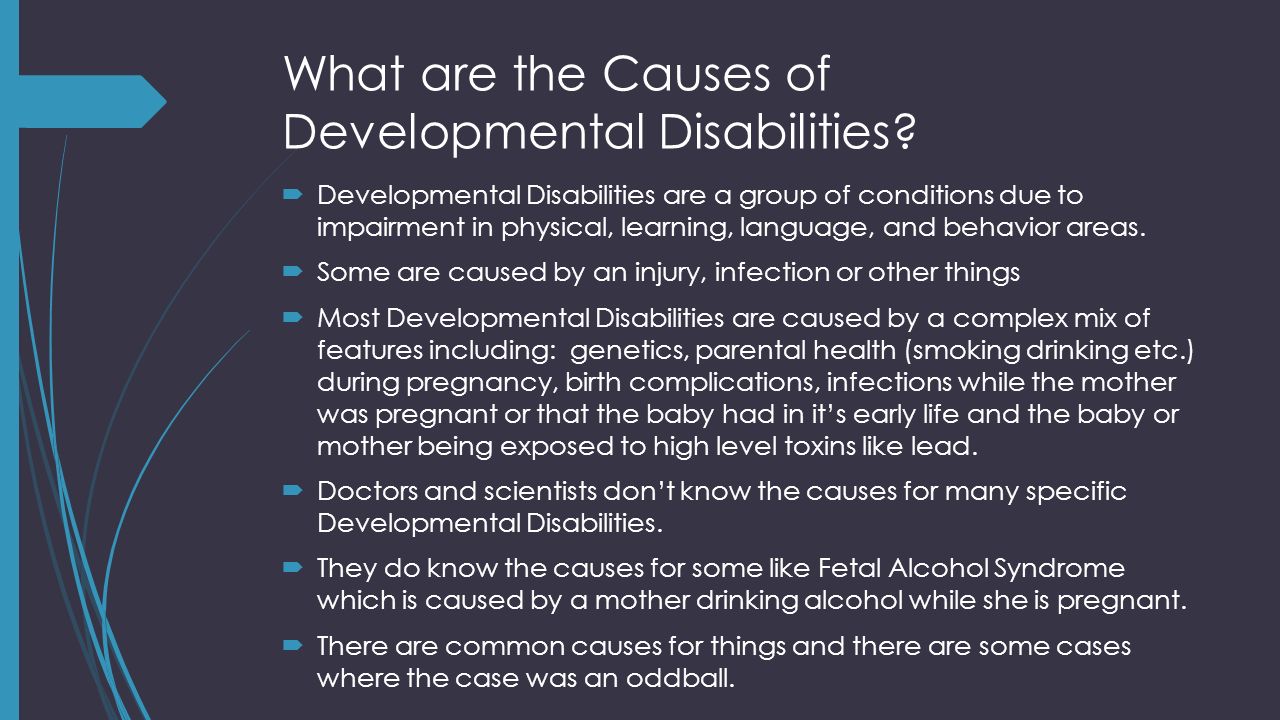
Most developmental disabilities are thought to be caused by a complex mix of factors. These factors include genetics, parental health and behaviors (such as smoking and drinking) during pregnancy, complications during birth, infections the mother might have during pregnancy or the baby might have very early in life, and exposure of the mother or child to high levels of environmental toxins, such as lead. For some developmental disabilities, such as fetal alcohol syndrome, which is caused by drinking alcohol during pregnancy, we know the cause. But for most, we don’t.
Here are some examples of specific developmental disabilities:
- Some of the most common known causes of intellectual disability include fetal alcohol syndrome disorder, genetic and chromosomal conditions, such as Down syndrome and fragile X syndrome, and certain infections during pregnancy.
- Children who have a sibling with an autism spectrum disorder are at a higher risk of also having an autism spectrum disorder.
- Low birth weight, premature birth, multiple birth, and infections during pregnancy are associated with an increased risk for many developmental disabilities.
Developmental Milestones

Developmental milestones are used to track a child’s development as they age. They include, but are not limited to:
- Learning to crawl
- Taking a First Step
- Smiling For The First Time
- Saying Your First Word
Milestones are an age range when we might expect children to be able to do certain things. For example, when children learn to play, learn, speak, behave, and move. Most people develop at their own pace, and it is therefore impossible to tell when a person will learn a specific skill. Developmental milestones give an average timescale in which children are expected to learn various skills as they grow up. ‘Developmental delay’ is when children are missing these milestones.
The Role of Parents

Parents or legal guardians of children will know the child’s behaviour best. They need to monitor how the child develops and if they are reaching developmental milestones within the average timeframes.
If a child is not meeting the milestones for their age, or you believe there is a problem with how they play, learn, speak, act, or move, then it is advised to speak to your General Practitioner (GP). Do this as soon as you notice any delays in the child reaching developmental milestones. Acting early can hugely benefit the child’s development. The early years of a child’s life are very important for their health and development. Healthy development means that children of all abilities, including those with special healthcare needs, can grow up where their social, emotional, and educational needs are met. Having a safe and loving home and spending time with family―playing, singing, reading, and talking―are very important. Proper nutrition, exercise, and sleep can also make a big difference.
Effective Parenting Practices
Parenting takes many different forms. However, some positive parenting practices work well across diverse families and in diverse settings when providing the care that children need to be happy and healthy and to grow and develop well. A comprehensive report looked at the evidence in scientific publications for what works and found these key ways that parents can support their child’s healthy development:
- Responding to children in a predictable way
- Showing warmth and sensitivity
- Having routines and household rules
- Sharing books and talking with children
- Supporting health and safety
- Using appropriate discipline without harshness
Parents who use these practices can help their child stay healthy, be safe, and be successful in many areas—emotional, behavioral, cognitive, and social.
Healthcare Professionals
A good relationship between parents or guardians and a healthcare professional is helpful when supporting a child with developmental disabilities. Monitoring the child’s development and recording any significant changes towards meeting their milestones is helpful information to share with healthcare professionals. This is called developmental monitoring.
Any flagged issues can be followed up with developmental screening carried out by the healthcare provider. This is a short test that determines if the child is learning basic skills in the expected timeframe or if there are delays. If the child has a developmental delay, it is important to seek help early on. Early intervention can have a positive impact on the child’s ability to learn new skills.
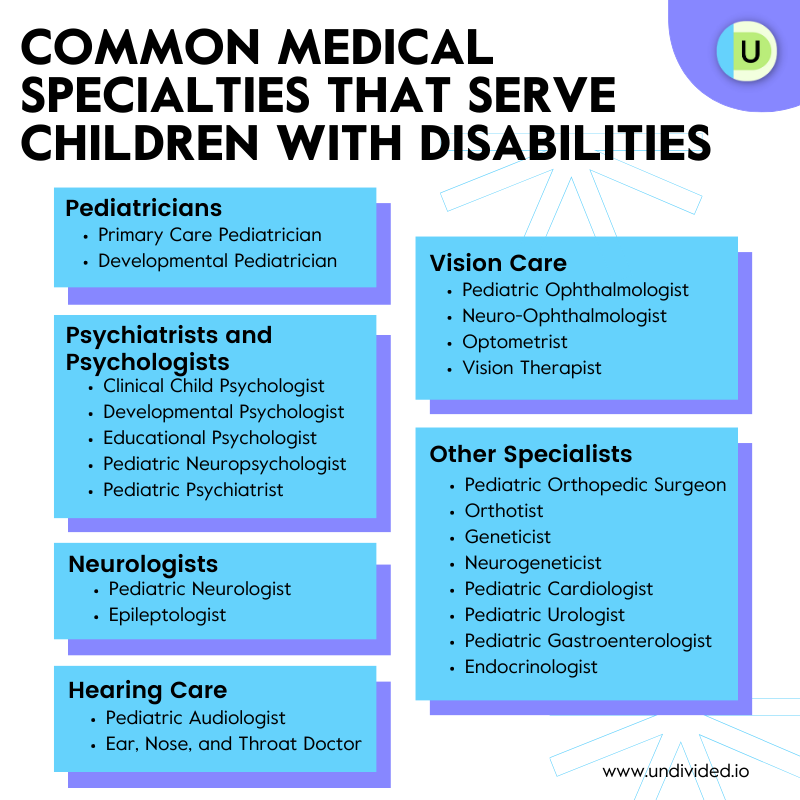
The right support from professionals can help children with a developmental disability live as full and independent a life as possible. Support can include GPs, paediatricians, speech and language therapists, physiotherapists, educational and clinical psychologists, and social care.
Daily Life With A Developmental Disability
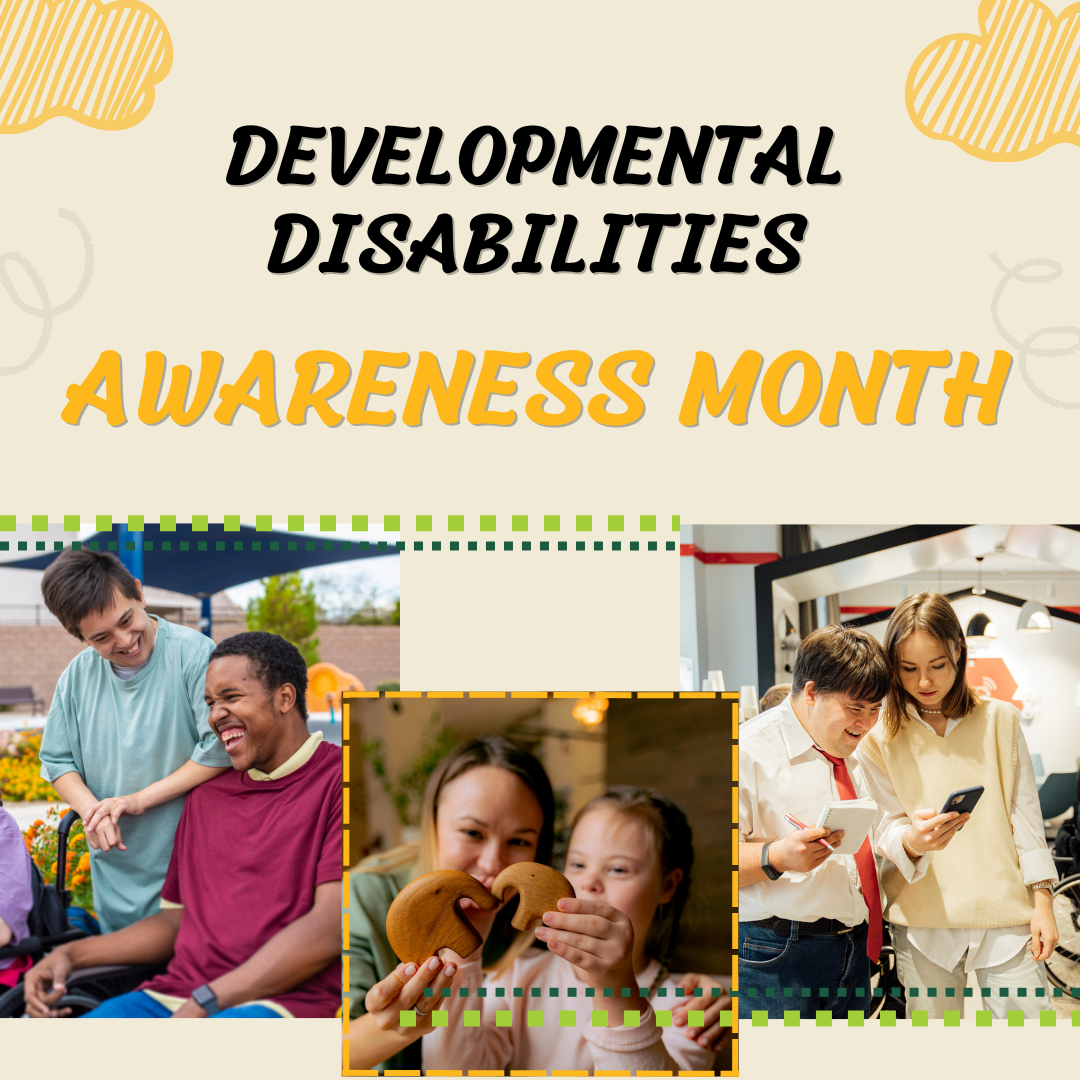
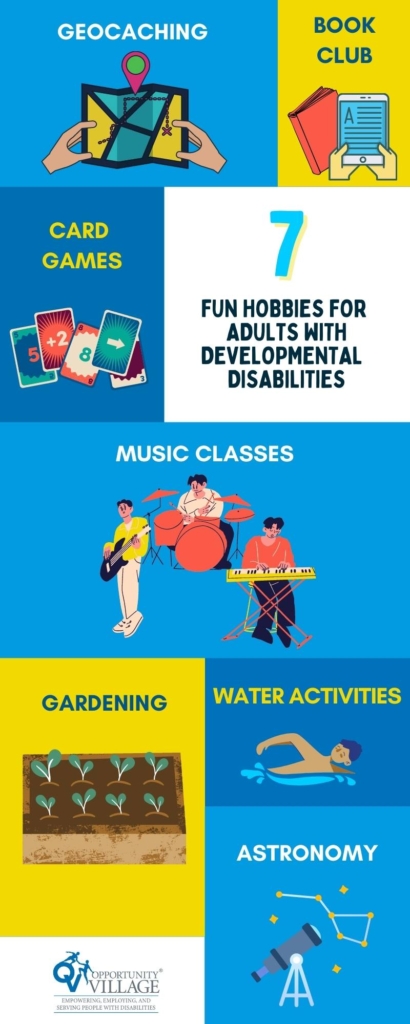
Daily life will look different for each family as lots of different types of disability and additional needs are covered under developmental disabilities. Children with developmental disabilities need the same as non-disabled children – staying well, active and part of a community and leading fulfilling lives full of opportunity.
Families require the tools and information to make informed, healthy decisions to prevent illness. Some health conditions are known to be more common among children with developmental disabilities. These include asthma, eczema and skin allergies, gastrointestinal symptoms, and migraines.
Tips for leading a long and healthy life:
- Be physically active every day.
- Eat healthy foods in healthy portions.
- Don’t get too much sun.
- Don’t smoke.
- Use medicines wisely.
- If you drink alcoholic beverages, drink in moderation.
- Get help for substance abuse.
- Stay in touch with family and friends.
What You Can Do

- Spread awareness through your personal connections and on social media #DDAM2025
- Celebrate and share stories that promote diverse perspectives
- Organize and/or participate in programs, events, or advocacy campaigns that promote acceptance and inclusion.
- Wear Orange! Orange is the official color of Developmental Disabilities Awareness Month and symbolizes energy and positivity. If you don’t usually wear bright colors, it may prompt people to comment and allow you to spread awareness and share stories.
- Advocate for Developmental Disabilities – Whether a person has developmental disabilities of their own or they care about those who do, Developmental Disability Awareness Day might be the perfect time to consider acting as an advocate for others. Advocate activities include speaking up for the rights of all humans, including those with developmental disabilities; fighting for policies that protect and help every person succeed; and acting as a positive force for change in the world.
- Get Educated about Disability Support! Learn more about the issues involved with support for people with disabilities by checking out a book from the library, getting involved with a local arm of a charity, or taking a class about disability advocacy at the local community college.
- Raise funds! Many organizations in the field are non-profits looking to raise funds to provide better and more services to their participants. If you are skilled at marketing, networking, or other related jobs, you can consider using your time to set up a fundraiser in March.
For more information, contact the Disability Advocacy and Research Network, the National Disability Rights Network, and other support organizations.
Those with developmental disabilities often face unique hardships related to education, healthcare, employment, and social inclusion, while caregivers may bear much of the emotional, physical, and financial burden of providing continuous support. This March, consider lending your support to inclusive community living programs and policies that provide critical services to individuals with disabilities and their care networks. If you are experiencing difficulties related to managing a medical condition, either as a person with a disability or as a caregiver, you can connect with a licensed therapist or support group online or in person.
Thank you for visiting my blog and reading today’s post. I hope you found it helpful and informative. In raising awareness about these conditions, I hope it will help not only others but also you to help educate your child as well as other children so that they understand that this doesn’t make them any different from anybody else. For now, though, I’m off to catch up on my work (I.e. sorting my pictures) and going to appointments 😁 Have a lovely day, and I shall see you in a couple of weeks!


 Peytons View