
Good morning guys! Hope you’re all well. I have to say a massive sorry for the lack of post last week. Due to unforeseen circumstances that could not have been predicted, my laptop decided to completely shut down without any warning, and when I tried to get it back on to work (and believe me I tried everything), the screen turned on to show a smashed screen from the inside, so in the end I had to get a new one as I’d been having technical issues with it anyway, and believe it or not my mums computer stopped working too. Still, we had to wait a couple of days for it to get ordered into the store, which meant I couldn’t do any work at all, so again my apologies. It’s been a very rollercoaster couple of weeks though, with a lot of emotions running high, a couple of things that I can’t talk about for legal reasons which caused a lot of distress, so I won’t mention them, but something good that did happen was I received an appointment to have an MRI scan for my head to check the water on my brain after requesting for one for years! Another thing that we did in the past couple of weeks since I last posted was we went to a garden center in the next city over (thankfully it was only a 30-minute drive away) where I got to take some really amazing pictures of the beautiful flowers that were there, but other than it was a really hot day, we had a lot of fun!
Now onto this week’s post…Abstract photography is a lot of fun (and often jaw-droppingly beautiful). But how can you create gorgeous abstract shots of your very own? Diving into this photographic genre might seem like a daunting task, but there’s a slew of new concepts and techniques to consider. Remember, abstract photos aren’t just about clicking the shutter; they require a whole new way of seeing and interpreting the world around you. Abstract photography focuses on the beauty of shapes, colors, patterns, and textures. Unlike most other forms of photography, it doesn’t aim to represent reality in a literal sense; instead, creating abstract photos is all about playing with visual elements to create images that might not be immediately recognizable. Abstract photography compels you, the photographer, to see the world differently. It nudges you to spot the extraordinary in the ordinary. Here are some tips to help you get started!
*Disclosure: This post may contain affiliate links (highlighted in blue), meaning I get a small commission if you decide to click on the product and make a purchase through my links, but don’t worry – it’s at no cost to you.*

Getting into abstract photography is one of the best ways that any aspiring photographer can start out in photography. Compared to more popular types of photography like product, outdoor, and wedding photography, abstract photography goes against many photography rules. It gives you the freedom to take a photo of anything that grabs your attention and allows you to express your artistic nature.
Start With Everyday Objects

Abstract photography involves a lot of looking at things in a different way. It can help if you start with things that you already have at home to practice. Once you get used to seeing mundane, everyday things beyond their usual framework, you’ll be able to think and see things abstractly wherever you are. Believe it or not, literally anything can be a subject in your abstract photos. Choose a random object or set of things, such as kitchenware or a single light bulb, and try to figure out how you can photograph it in a different yet appealing way. Step outside and look at the morning dew or building angles in your neighborhood. All of these can be sources and inspirations for abstract images.
Use Elements Of Design To Your Advantage
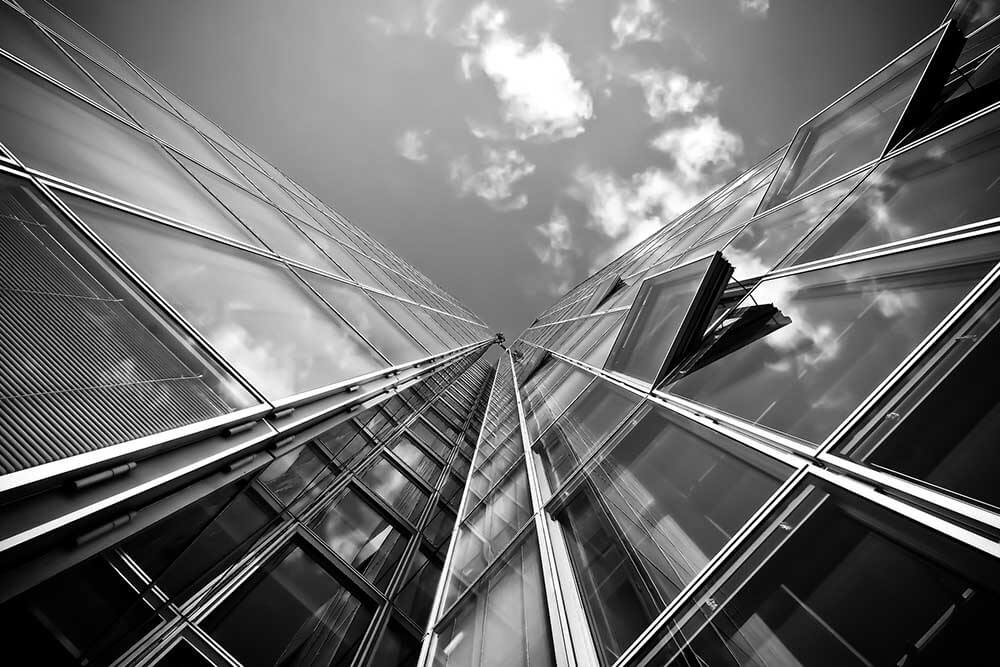
The composition of different photographic elements—line, shape, form, texture, pattern, and color—can influence your viewers to appreciate and look at your photos in many different ways. Lines and curves, for example, add interest by leading your viewer’s eyes across an image, perhaps towards the focal point in the shot. Some of the principles of architectural photography apply here, as well, and you can utilize the buildings around you as inspiration for abstract photography. Patterns and textures are always interesting to look at. You can blow your viewers’ minds if you include a zoomed-out shot of what it really is and where it came from. Similarly, you can use colors to highlight the point of interest or just to add visual impact to your image. Seek out these elements around you and use them to create compelling abstract images.
Go Macro
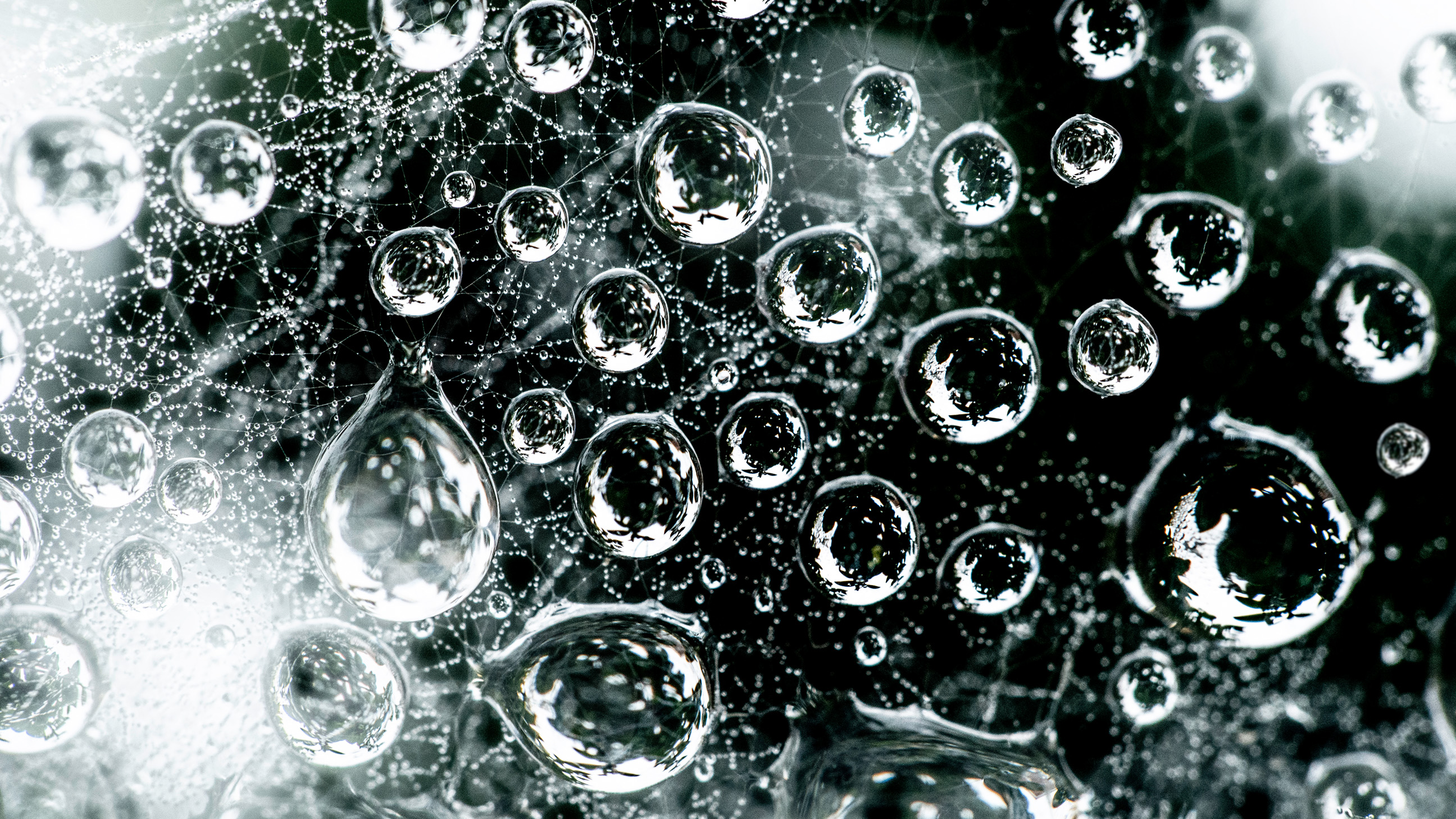
One of the most common methods of capturing abstract photos is to move in closer. You can do this either by zooming in or going macro. While it’s perfectly fine to use zoom lenses, they only make distant objects look closer up to a certain extent. To achieve a much closer focus that can magnify tiny objects or details and capture a life-sized (or even bigger) image, you’ll need to use your camera’s Macro mode or get a good macro lens. This will allow you to get an extra close look at the often missed elements around you. Small insects, flowers, and jewelry are often subjects of macro photography, but when you bring abstract elements into the fold, you can see a whole new side of these objects.
Use Lines and Curves

When looking for something to use in your macro photography, try looking at the lines and the curves of your subject and the area surrounding it. By using lines, you can compose your shot to create something special. Since our eyes automatically gravitate towards symmetry and patterns, using the lines and the curves of your subject can give you an advantage when you are trying to create something exciting.
Shoot Through Objects

Using a makeshift lens “filter” can help you achieve truly unique and abstract images. Colored filters and gels, for example, can save you from having to edit your photos just to give them an interesting color tinge. Shooting through translucent glass, water, or even a car window on a rainy day can result in distortions and light diffractions that will create unusual but visually interesting images. Don’t hesitate to experiment with other things you can shoot through. You can then find out how they can affect your image.
Photograph Reflections
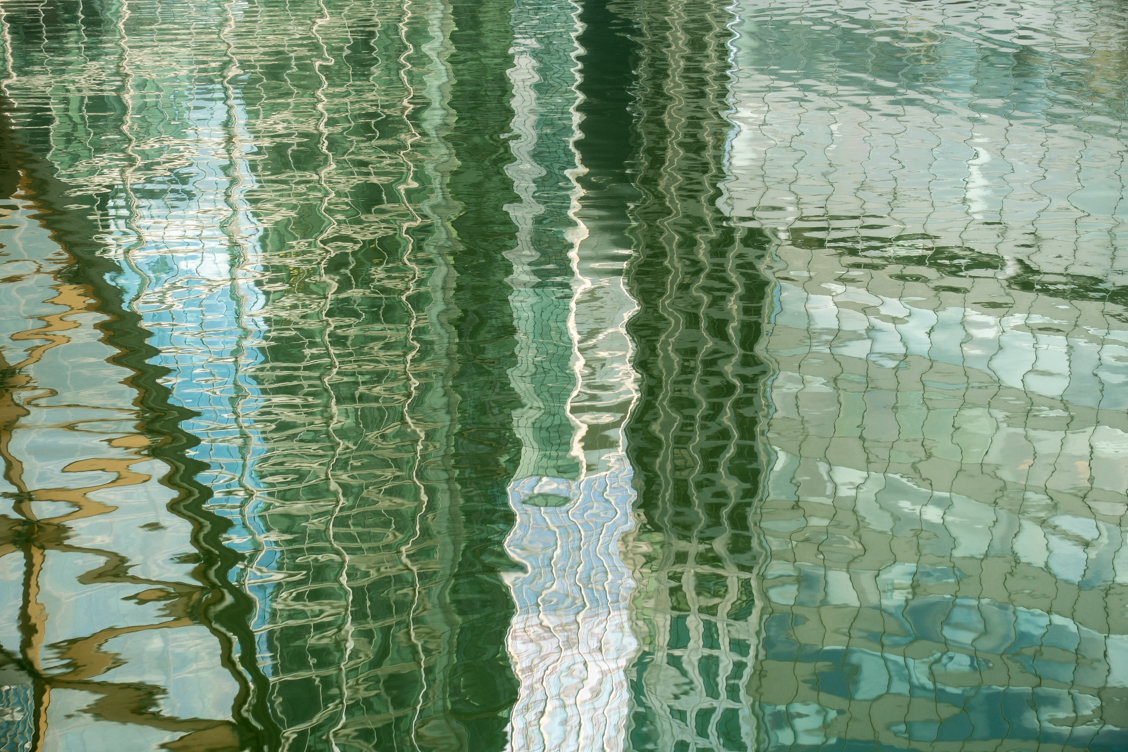
Reflections in water or other shiny surfaces provide a fantastic source of abstract scenes to photograph. The distorted effects you get from rippled water or uneven reflective surfaces create an abstract alternative reality. Water holds a treasure-trove of abstract possibilities. When we take photos of reflections in water, we usually look for calm conditions. But for abstracts, a bit of movement in the water can add to the impressionistic look of the image. That was the case in the opening photo where a light breeze caused slight ripples.
Repeating Patterns

Repeating patterns are everywhere, often found in ordinary objects like plain office buildings. These patterns, which are rarely noticeable until emphasized, can create strong geometric shapes. Look for rows of columns, balconies, windows, tiles, or other decorative patterns. In nature, repeating patterns are everywhere as well, like in tree trunks, leaves and sand. Get as close as you need to so that you can fill the whole frame with the pattern. Shoot from straight on so the lines aren’t tilted. Or, purposely shoot from an exaggerated, tilted angle for added interest.
Adjust your Shutter Speed for the Best Possible Image

One of the very best ways to get a great abstract shot is to start by adjusting your shutter speed. You may have enough experience as a photographer to know how to capture motion in your images– rolling waves, waterfalls, cars, etc. After shooting motion, you’ve probably noticed that you have had a few blurry shots that you felt you were unable to use, right? Well, that’s not such a bad thing, especially when you are looking into creating abstract pictures. Abstract photography can be made much more interesting when you capture motion to create your image. By adjusting your shutter speed, you can create some really great effects on an object that can lead to some absolutely stunning abstract images. A long shutter speed gives your image more time to achieve that special look, which makes it just right for abstract photos.
Capture Motion

Many photographers frown upon subject motion blurring—but not abstract photographers. By simply moving your camera at the moment of taking the shot, you end up with a mix of different colors, lines, and patterns. This looks similar to painting brushwork, depending on the direction of movement. Start with one direction, then left to right. Experiment with circular movements and wiggles. Understand how it affects your images and see what kind of patterns you end up with.
*Remember to use a slower shutter speed of 1/10th of a second or slower to successfully capture motion blur. If your shot ends up overexposed, you can go on Shutter Priority mode or use a lower ISO level and/or a tighter aperture.*
Customize Your Lighting

Changing the direction and adjusting the power of your light source can provide different effects that yield unique images. Focused lighting on your subject, for example, can emphasize and make it the focal point of your photo. Placing a strong light source on one side can create shadows that will accentuate textures. Even diffused lighting lessens the drama but can make your viewers linger and really look at different parts of the image, as opposed to just one specific area. You can try backlighting and silhouetting, which partly involves placing the light source behind the subject. These are just some of the many ways that you can manipulate your lighting to create shadows or highlights that add depth, mystery, and interest to your images.
Angle of View
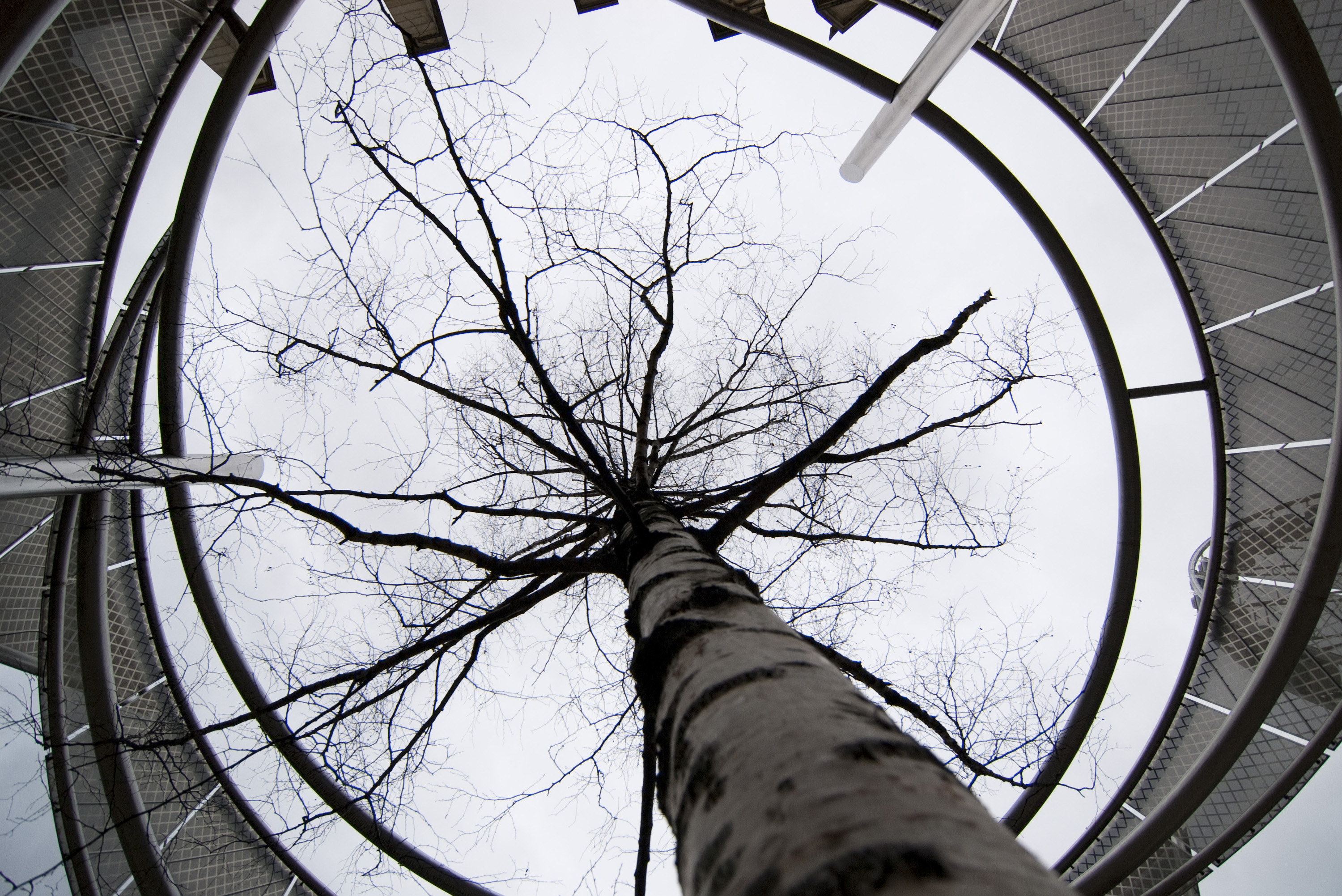
Like composition, the angle of view determines how the subject will be represented in an abstract image. Choosing the right angle of view involves looking for the best vantage point that will complement your subject and keep distractions out of the frame. Aside from shooting at an unusual angle, some abstract images are even flipped or rotated during post-processing to come up with different views and orientations.
Post-Process Your Images
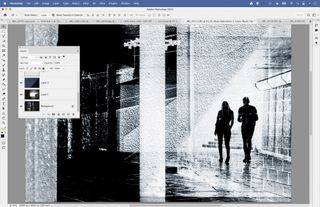
Aside from exercising your freedom to manipulate your results and create your very own abstract imagery, feel free to go crazy with the post-processing. When it comes to editing abstract photos, there’s no such thing as “too much”. Abstract photographers are encouraged to digitally improve their work later on. Photoshop and Lightroom are two programs that can really help when you are working with abstract photography. There are plenty of post-processing edits you can make on your abstract photos, including changing color, lighting, tone, hue, and saturation. This, of course, can really lead to you creating some impressive abstract photographs. Simply changing the color of something such as water ripples, or changing an image from color into black and white, can lead to something even more special than the original image.
It’s essential to remember that abstract photography is not about capturing a perfect snapshot of reality. Instead, it’s about turning the lens onto the world in a way that lets you show the viewer your unique perspective. It’s an invitation to play, to experiment, to examine the visual qualities of the world. Those are a few of the many reasons it’s a ton of fun! So grab your camera, step out, and let the world be your canvas. The essence of abstract photography lies not in the rules, but in the “breaking” of rules.
Thank you for visiting my blog and reading today’s post, I hope you all have a lovely week and I shall see you next Wednesday!


 Peytons View
O my gosh, how an object/perspective changes with just one click of a camera. Amazing!
LikeLiked by 1 person
Thanks for all the helpful instruction! Your photos are great.
LikeLiked by 1 person
Wow! I learned so much from your post! Can’t wait to try things out. Thank you, Peyton!
LikeLiked by 1 person
Very useful Post.
LikeLiked by 1 person
great tips Peyton – hope your MRI went smoothly! Mike
LikeLiked by 1 person
Great sharing
LikeLiked by 2 people