

Good morning everyone, first and foremost, I hope you all had a lovely Easter! We actually had a video call with my cousin and finally got to meet the man who managed to take her away from a volatile place she once called home and who now puts a smile on her face every day, unfortunately we couldn’t meet up like we’d arranged due to some unforeseen circumstances that couldn’t be helped but it was still pretty much the only good thing to come out of this past week with having to say goodbye to my Nan last Thursday. The funeral itself was as expected – depressing and just for a show. Now on to the second and possibly triggering thing, so please read with caution if you can as this post will reference things associated with sexual assault.
Every April, Sexual Assault Awareness Month strives to be a voice of the victims of sexual abuse and violence. The mission is to increase awareness about sexual violence worldwide and educate communities on how to prevent it. I wanted to do this post to raise awareness about something that should never happen to anyone but sadly does on so many occasions, and this topic is very close to my heart and unfortunately a very personal matter as I myself have been a victim of sexual assault/abuse by someone In my family, so at family events I unfortunately have to see their face and be reminded of a very traumatic time which maybe in the future I’ll eventually be able to share my story fully, but I’m hoping in doing this post and raising a bit of awareness, I can help others who have suffered or know anyone who has, to know there not alone and that there is help out there that is available.

What is sexual assault?
A sexual assault/violence is any sexual act that a person did not consent to, or is forced into against their will. Sexual violence happens in every community and affects people of all genders and ages. Sexual violence is any type of unwanted sexual contact. This includes words and actions of a sexual nature against a person’s will and without their consent. A person may use force, threats, manipulation, or coercion to commit sexual violence.
Forms of sexual violence include:
- Rape or sexual assault
- Child sexual assault and incest
- Sexual assault by a person’s spouse or partner
- Unwanted sexual contact/touching
- Sexual harassment
- Sexual exploitation and trafficking
- Exposing one’s genitals or naked body to other(s) without consent
- Masturbating in public
- Watching someone engage in private acts without their knowledge or permission
- Nonconsensual image sharing
There is a social context that surrounds sexual violence. Social norms that condone violence, use power over others, traditional constructs of masculinity, the subjugation of not only women but men as well, and silence about violence and abuse contribute to the occurrence of sexual violence. Sexual violence or assault can happen to anyone of any age. Sexual violence is preventable through collaborations of community members at multiple levels of society—in our homes, neighborhoods, schools, faith settings, workplaces, and other settings. We all play a role in preventing sexual violence and establishing norms of respect, safety, equality, and helping others.
What is consent?
Consent must be freely given and informed, and a person can change their mind at any time.
Consent is more than a yes or no. It is a dialogue about desires, needs, and level of comfort with different sexual interactions
Sexual assault is an act that is carried out without a person’s active consent. This means they did not agree to it.
Consent means saying “yes” to what happened.
Being intoxicated, not being asked, saying nothing, or saying yes to something else, is not consent. Being in a relationship or married to someone is not consent.
The Impact of Sexual Violence
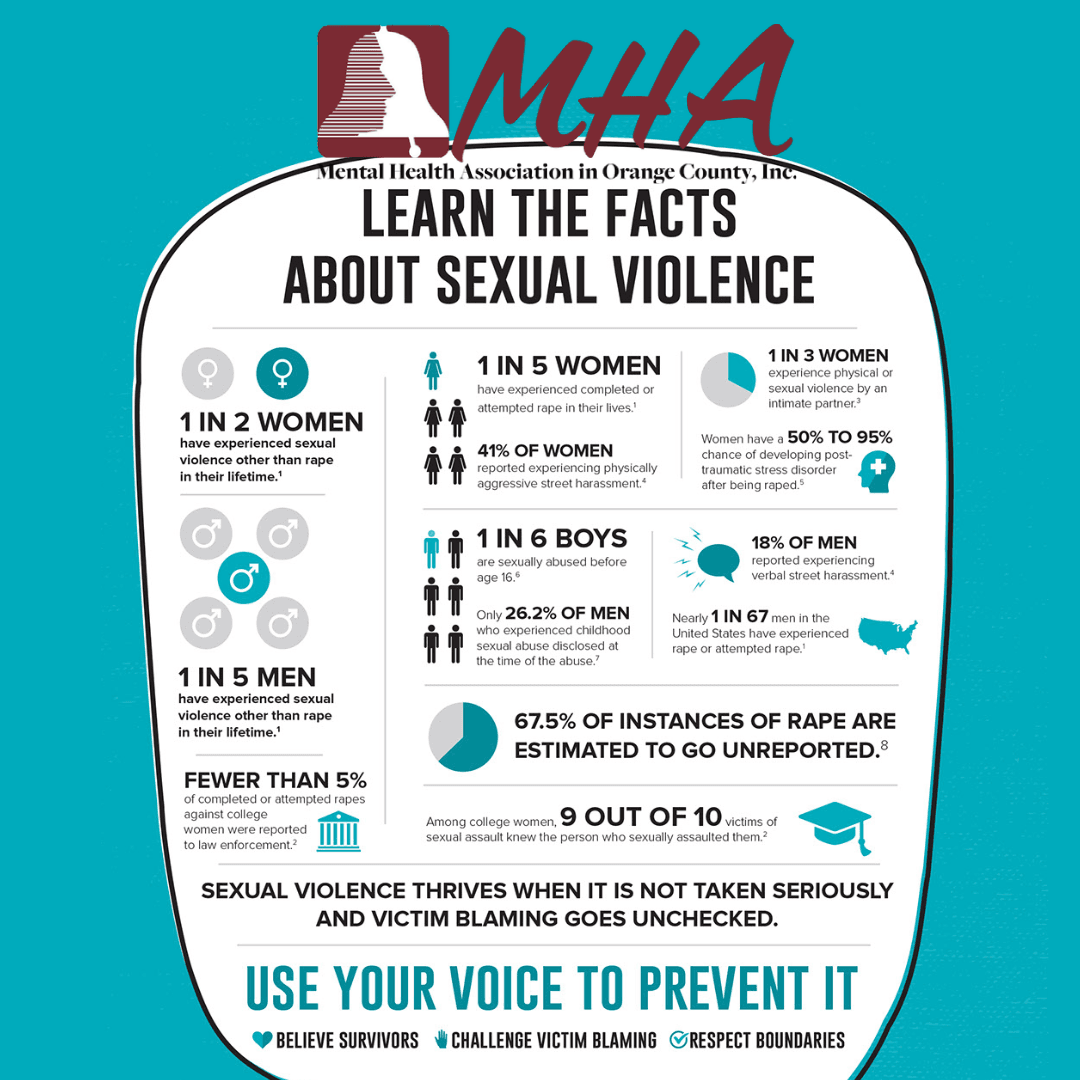
The impact of sexual violence extends beyond the individual survivor and reaches all of society. The Crime Survey for England and Wales for the year ending March 2021 showed that the police recorded 148,114 sexual offences, encompassing rape (55,696 cases) and sexual assault, and also sexual activity with children.
Most sexual assaults are carried out by someone known to the victim. This could be a partner, former partner, relative, friend or colleague. The assault may happen in many places, but is usually in the victim’s home or the home of the perpetrator (the person carrying out the assault).
Impact on survivors
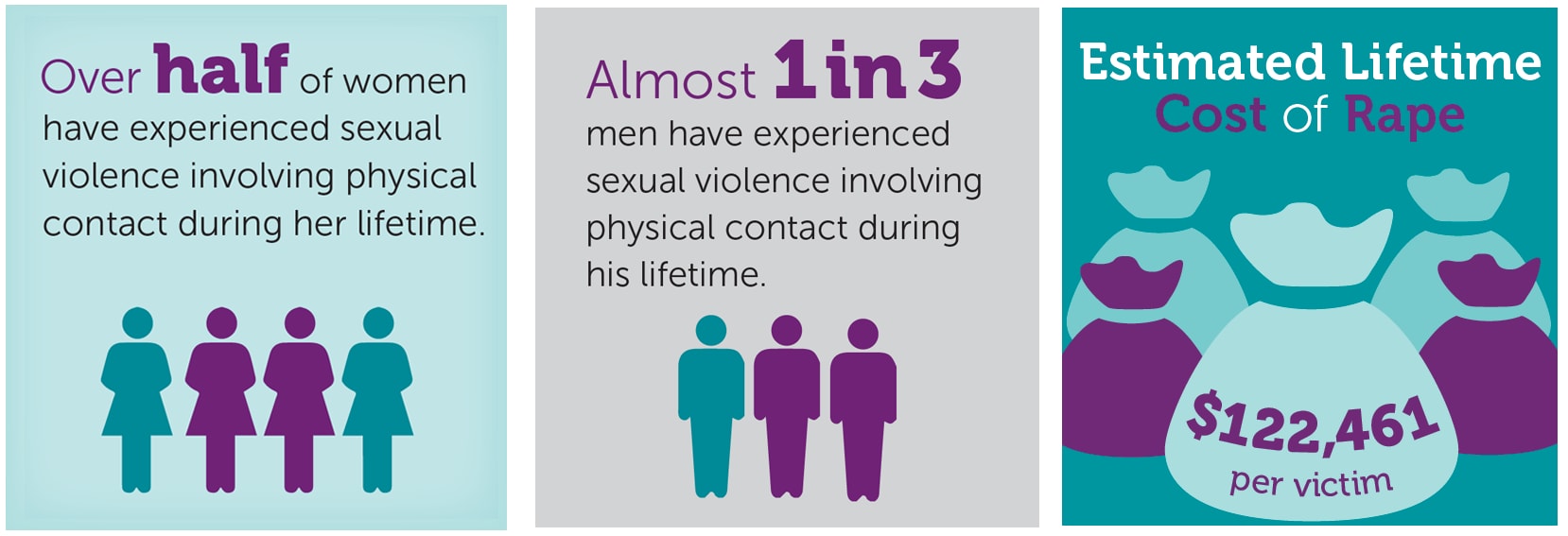
An assault may impact a survivor’s daily life no matter when it happened. Each survivor reacts to sexual violence in their own way. Common emotional reactions include guilt, shame, fear, numbness, shock, and feelings of isolation. Physical impacts may include personal injuries, concerns about pregnancy, or risk of contracting a sexually transmitted infection. Economic impacts of sexual violence include medical and other expenses in addition to things like time off work. The long-term psychological effects survivors may face if their trauma is left untreated include post-traumatic stress disorder, anxiety, depression, isolation, and others.
Impact on loved ones
Sexual violence can affect parents, friends, partners, children, spouses, and/or coworkers of the survivor. As they try to make sense of what happened, loved ones may experience similar reactions and feelings to those of the survivor such as fear, guilt, self-blame, and anger.
Impact on communities
Schools, workplaces, neighborhoods, campuses, and cultural or religious communities may feel fear, anger, or disbelief when sexual assault happens in their community. Violence of all kinds destroys a sense of safety and trust. There are financial costs to communities including medical services, criminal justice expenses, crisis and mental health service fees, and the lost contributions of individuals affected by sexual violence.

Sexual assault is a crime
It is not uncommon for the person being sexually assaulted to have no physical injuries or signs of their assault. But sexual assault is still a crime and can be reported to the police in the same way as other crimes.
Victims are never at fault
Choosing to violate another person is not about “drinking too much,” “trying to have a good time,” or ”getting carried away,” nor is it about the clothes someone was wearing, how they were acting, or what type of relationship they have with the person who abused them. Violating another person is a choice.
If you’ve been sexually assaulted it’s important to remember that it was not your fault. Sexual violence is a crime, no matter who commits it or where it happens. Don’t be afraid to get help.
Rape is often not reported or convicted. A person may choose not to report to law enforcement or tell anyone about a victimization they experienced for many reasons. Some of the most common include:
- a fear of not being believed
- being afraid of retaliation
- shame or fear of being blamed
- pressure from others
- distrust towards law enforcement
- a desire to protect the attacker for other reasons
Where to get help
There are services that can help if you’ve been sexually assaulted, raped or abused. You don’t have to report the assault to the police if you don’t want to. You may need time to think about what has happened to you. However, consider getting medical help as soon as possible for any injuries and because you may be at risk of pregnancy or sexually transmitted infections (STIs). If you want the crime to be investigated, the sooner a forensic medical examination takes place, the better. Sexual assault referral centres (SARCs) offer medical, practical and emotional support to anyone who has been raped, sexually assaulted or abused. SARCs have specially trained doctors, nurses and support workers to care for you. You can get help from a SARC by booking an appointment with your nearest one.
Other places you can get help include:
- a doctor or practice nurse at your GP surgery
- a voluntary organization, such as Rape Crisis, Women’s Aid, Victim Support, The Survivors Trust or Male Survivors Partnership
- the 24-hour freephone National Domestic Abuse Helpline, run by Refuge, on 0808 2000 247
- the rape and sexual abuse support line run by Rape Crisis England and Wales – you can call the helpline on 0808 500 2222 or use the online chat (both are free and are open 24 hours a day, every day of the year)
- a hospital accident and emergency (A&E) department
- a genitourinary medicine (GUM) or sexual health clinic
- a contraceptive clinic
- a young people’s service
- call NHS 111 or get help from 111 online
- the police, or dial 101
- in an emergency, dial 999

If you report the assault to the police
If you do decide to report it to the police, a police officer specially trained in supporting victims of sexual assault will talk to you and help to make sure you understand what’s going on at each stage. The police will investigate the assault. You will be offered a forensic medical examination and will be asked to make a statement about what happened (what you say is written down, which you check and sign). The police will pass their findings, including the forensic report, to the Crown Prosecution Service, who will decide whether the case should go to trial.
Confidentiality
Your details will be kept as confidential as possible. However, if there’s a police investigation or criminal prosecution linked to the assault, any material relating to it is “disclosable”. This means it may have to be produced in court. If there is no investigation or prosecution, information about you won’t be shared with other services without your permission, unless there’s a concern that you or anyone else is at risk of serious harm.
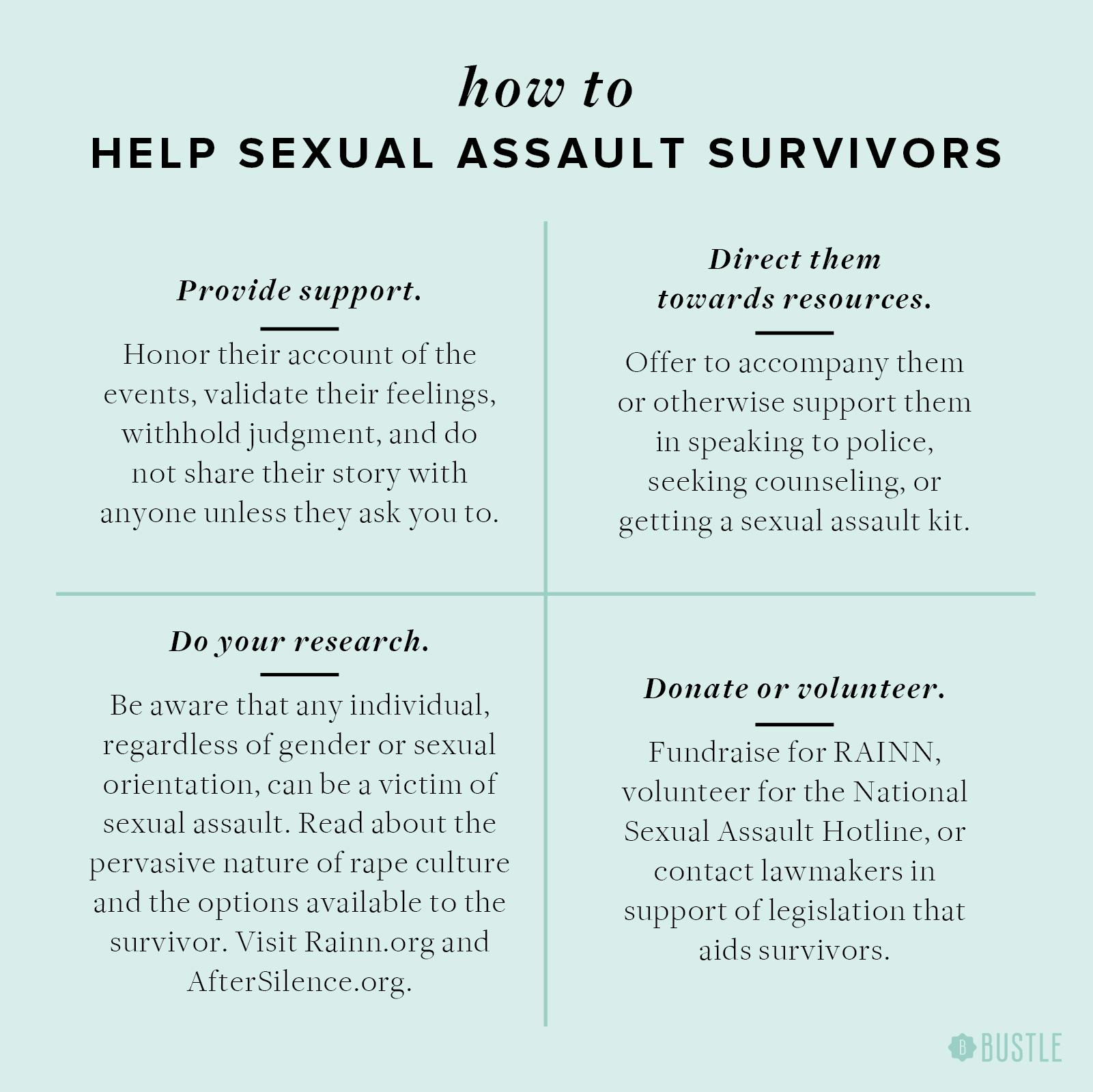
Supporting a victim of sexual assault
Advice for relatives and friends of someone who has been sexually assaulted includes:
- Believe what they’re saying and tell them this.
- Listen to the person, but don’t ask for details of the assault. Don’t ask them why they didn’t stop it. This can make them feel as though you blame them.
- Offer practical support, such as asking them if they would like you to go with them to appointments.
- Respect their decisions – for example, whether or not they want to report the assault to the police.
- Bear in mind they might not want to be touched. Even a hug might upset them, so ask first. If you’re in a sexual relationship with them, be aware that sex might be frightening, and don’t put pressure on them to have sex.
- Don’t tell them to forget about the assault. It will take time for them to deal with their feelings and emotions. You can help by listening and being patient.
If you’re worried about a child
If you’re worried about a child, it’s important you talk to a professional who can make sure they are safe. Who you speak to will depend on the situation. A young person might talk to a trusted teacher who would refer to something called the Multi-Agency Safeguarding Hub (MASH) if needed. You can also talk to someone from the MASH, or a social worker or the police if you prefer. You don’t have to give your name.
You can find the number of your local MASH if you search online for MASH in your area.

Get Involved
There are many ways you can become involved in the work of changing conversations about sexual violence, supporting survivors, and preventing sexual violence before it ever happens.
Volunteer: Community rape crisis centers often rely on the support of volunteers to provide services to victims (such as answering telephone calls from survivors) and to help implement prevention programs (like talking to students about sexual violence). NSVRC can help you to find the nearest crisis center to you.
Organize: Throughout the country, passionate groups of community members organize events, plays, and rallies to raise awareness about sexual violence. NSVRC and your community rape crisis center can often help you to find these groups, or give you advice on how to start a group of your own.
Learn: The root causes of sexual violence run deep and are sometimes hard to understand. Learning about sexual violence from resource centers like NSVRC can help you to understand these root causes, helping you to be a part of the national conversation about sexual violence and a more effective advocate for survivors and the work of prevention.
>Donate<: Like most social change endeavors, NSVRC, rape crisis centers, and other organizations working to address sexual violence rely on public funding to operate. Your donation is essential to pushing the movement to end sexual violence forward.
If you managed to get through all that information or even just a bit, thank you for taking the time to read it, If I manage to help one person – it means it would’ve all been worth it. Before I end this post, I just want to repeat something I mentioned near the start – If you are a victim or know someone who has been through any kind of sexual violence, please know that you are not alone and your voice matters. Thank you again, I hope you all have a lovely week and I shall see you next Wednesday.


 Peytons View
This is such an important issue to talk about. Thank you for sharing ❤️
LikeLiked by 1 person
Wow, so much good content and wisdom here Peyton. We don’t realize how much our believing and listening can go a long way. Thank you so much for advocating for others who can’t and for sharing this content!
LikeLiked by 1 person
You touch based an important subject, this issue is there across. Whoever gone through this needs to come out and speak about this.
LikeLiked by 1 person
Thanks for sharing this idea Anita
LikeLiked by 1 person
Peyton, Thanks for stopping by my blog (On a Journey) and even more for this post. I am a sexual assault survivor (and I intentionally use the word “survivor” rather than “victim” because at some point I stopped being a victim). I am a Survivor Speaker at my county’s domestic abuse/sexual assault resource center, which has been very healing for me–and hopefully helpful to at least one person every time I speak. Finding our voices as survivors is critical; calling out people who minimize/negate/ignore sexual assault and domestic violence is also critical because silence enables abuse to continue. It took me a long time to speak up (helped by the #MeToo movement); I would say that having been raped was not a secret, but no one ever asked me, so I never said. Now I know I have to initiate conversations about sexual assault, and being a survivor speaker is one way I do that.
LikeLiked by 1 person
Thank you for your comment. I think that’s really commendable how you’ve turned something horrible and traumatising into a positive by being a speaker for those that can’t, so I thank you for being an inspiration to so many (myself included). I am in complete and utter awe of your strength and hope I can one day be as strong and talk openly about my past abuse. Thank you again.
LikeLiked by 1 person
Thank you for your informative article.
LikeLiked by 1 person