
Good morning lovelies, hope you’re all doing okay!🤞🏼 Well, let’s get started with a quick update ~ in the past couple of weeks since my mum’s surgery, which went well (surprisingly, she was discharged later that night despite being told she would be staying in overnight), we’ve been watching many films 🎥 and binge-watching a couple of TV shows! We’ve also had one or two appointments that had been pre-booked before that we had to attend to. But we’ve been making her rest when she needs to which she’s thankfully been listening to her body tell her to do and doing just that! Other than that it’s been a pretty quiet couple of weeks which as shocking as it’s unheard of, has been really nice 👌🏼As for this week, it’s a little busier, as we have a few more appointments, my mum and dad’s Anniversary, and a visit to see my sister which I’m so excited for 😁 but I shall tell you about that in my post next time!
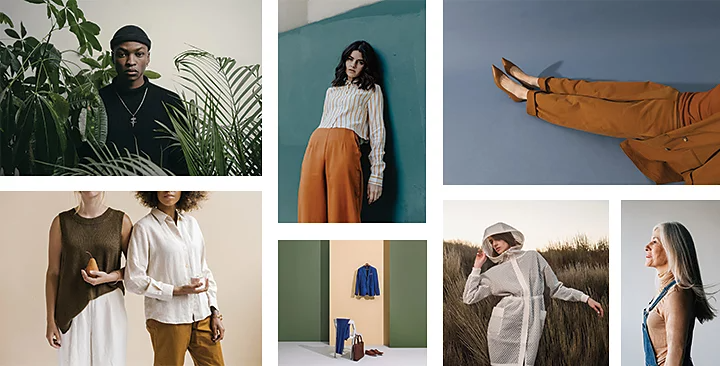
Anyway talking about posts, let’s move on with this week’s — While we’ve been able to have a relaxing couple of weeks, it’s given me time to catch up a bit with a few things and also prepare some of my upcoming blog posts, one of which being this week’s Fashion Photography Tips post. In the world of fashion, photography is one of the most important aspects of creating a successful look. There is a strong demand for high-quality fashion photographs from businesses and websites alike, so if you have the potential, this is a wonderful field to enter into. Fashion photographers must not only be able to deal with any technical issues that may emerge during a session, but they must also grasp industry expectations and be able to manage others, so here is a list to let you comprehend all the latest and brilliant tips that will make your journey of becoming a fashion photographer very easy. So read carefully if you are the one who want to be the part of fashion photography industry.
Fashion Photography Tips
Thinking of a career in fashion photography? Maybe you’re drawn by the thought of shooting beautiful models on exotic beaches or traveling to secluded places every time a new collection from Kate Spade arrives. The life of a fashion photographer doesn’t sound too bad. However, getting there might not be as smooth as the waves you’re planning to catch on those exotic beaches. The battle of becoming the next Mario Testino is fierce. So, I’m here to guide you with some of the best tips on what you need to know about fashion photography…
Choose The Correct Settings

Magic camera settings that will make the perfect fashion photographs for you – (however lovely it would be) don’t exist. Luckily, there does exist a camera setting that’ll meet you at least halfway. Overall, you should always shoot in RAW. Shooting in RAW will store more photographic data in the image and give you more ‘play’ in post-processing. If you’re doing a basic studio shoot, where everything needs to be sharp, and in focus, you can try these settings and then adjust from there:
- Aperture: 7.1 or 8
- Shutter speed: around 160
- ISO: 160 to 200
Shooting Mode: The very first thing you have to do – get out of Auto mode. For fashion photography, you want to be in full Manual mode to give you more control and provide more consistency to your shots.
Shutter Speed: Depending on your lighting, you’ll need different shutter speeds. However, you generally want to use a shutter speed faster than 1/100th to avoid any hand-shake. If you’re using Flash, however, you shouldn’t go faster than 1/200th of a second. Are you planning to catch some motion? In that case, the ideal shutter speed for your fashion photography will depend on how fast the action being photographed is.
Aperture: You need to control the aperture to ensure you have an excellent shallow depth of field. Having a shallow depth of field directs the viewers’ attention to the focal point as everything else blurs. While you’re shooting, keep in mind that you need to check your focus to make sure it’s on your subject. The aperture will be determined automatically by your camera.
ISO: If you aim for a higher ISO, you will be more light-sensitive and increase grain appearance. In contrast, a lower ISO will have less of both. That means, to avoid the appearance of grain, set your ISO as low as possible – preferably somewhere between 100 and 200. You can push the ISO higher if the light is low. Keep in mind, though, that different cameras will handle grain differently. An ISO of 800 in one camera may look clear, while in another camera, an ISO of 800 may be very grainy. As you get more experienced, you don’t have to follow these strict guidelines – you can always experiment with your camera settings in a way that fits your shooting needs.
Be Prepared

Being too prepared is not a thing. You need to prepare everything from camera equipment and settings to outfits and location. Before your shoot starts, try to imagine each phase of your fashion shoot and think about what you’ll need for each stage. Something that’ll help you – a mood board (in filmmaking terms, you might know it as a storyboard). Then start assembling your team, which entails models, stylists, hair and makeup artists, assistants, etc. Work out the necessary agreements and release forms and scout for a location that fits your concept.
Choose Your Model

The thought of working with models can seem, well, terrifying, but you have to get used to it. As a fashion photographer, it’s part of your job. And models are just doing a job – the same as you, and they might be just as nervous as you. So, make sure to give positive and constructive feedback and show the model your work, so he/she knows what’s going on and how it looks. Also – always be mindful; in some ways, it’s your colleague, so be respectful and never touch the model without permission.
Finding Your Fashion Models
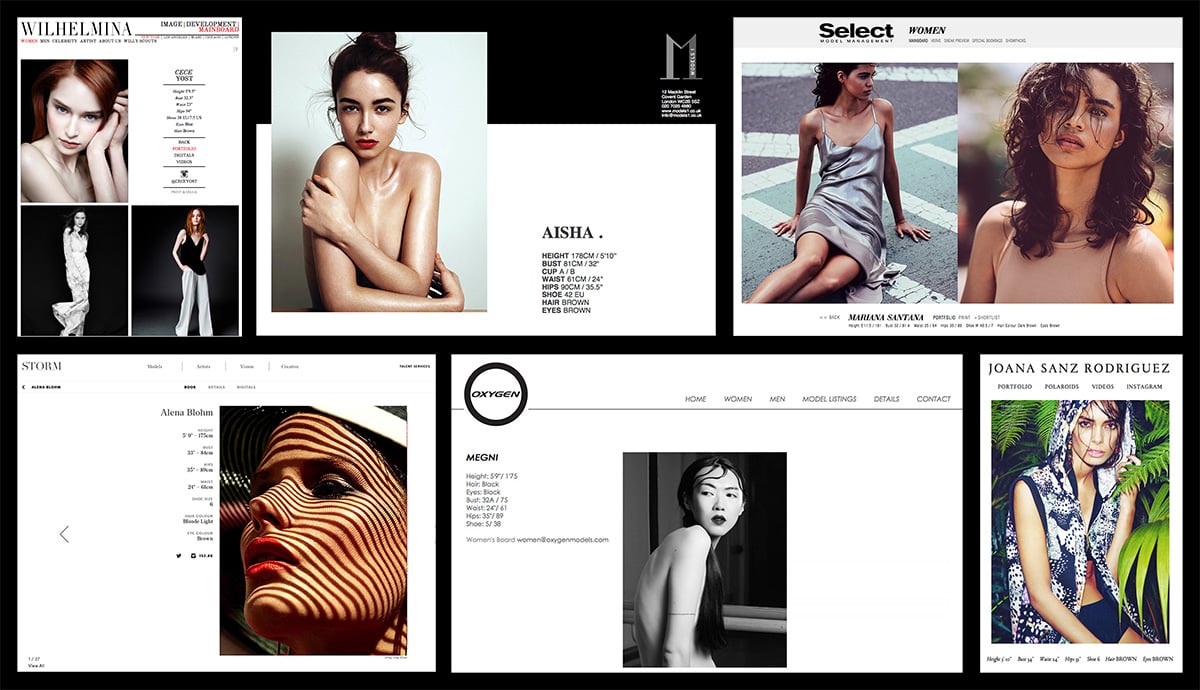
There are a few ways you can find potential models for your fashion shoot. Through an online agency or by starting as an assistant to a fashion photographer. You could also look for models in online advertisements –Facebook and Instagram are great platforms for this.
Try Different Angles

Don’t limit yourself to only doing eye-level angles. Explore your environment and try different angles from which you can photograph your model. Just remember the mood you’re trying to convey, as different camera angles will convey different moods. Each angle has its pros and cons, so think about their effect on your viewers.
Experiment With Poses
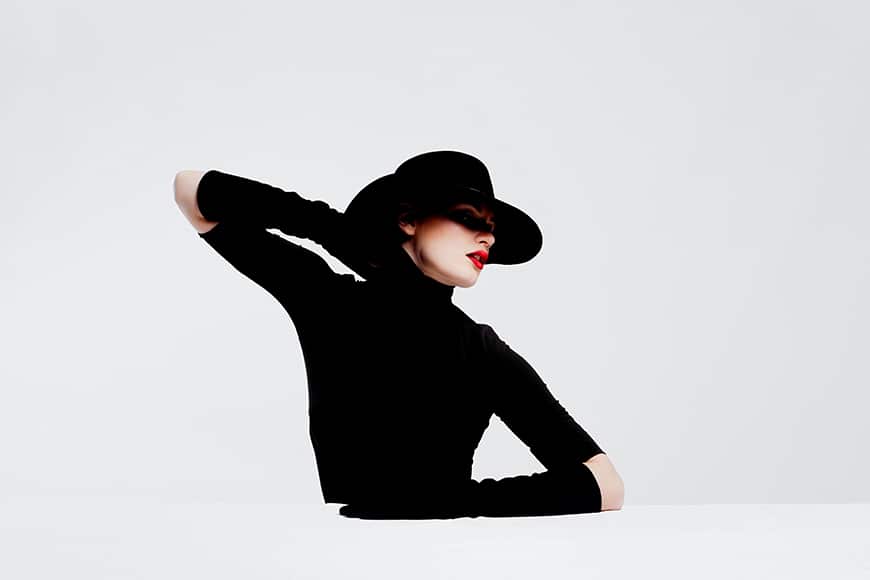
Fashion photography separates from any other genre due to one main factor – you’re showcasing fashion, not the model! That means you should always think about how you can emphasize the fashion items in your images. So, when you pose your subject, make sure not to obstruct the details of the outfit. It’s your job as the photographer to make sure the viewers see the product’s selling point.
Use The Outfits Actively
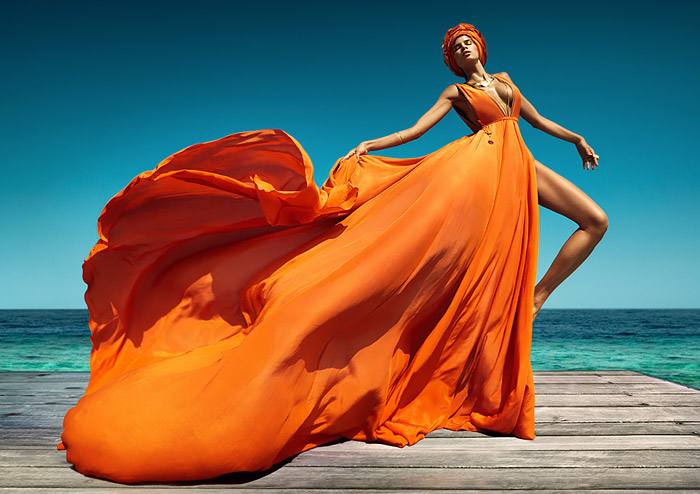
As your fashion pictures will be static, showing the outfits in their proper form can be challenging. Without any movement, the outfit can look a bit stiff – which is not always a great look. Think about creating movement in the fabric as much as possible. That could, for example, let the model run around – so the material flows in the air.
Use props to create a theme

Props can often help create a coherent theme in your fashion shoot and work well for providing some context and adding dimension to your composition. Props are also handy if nothing significant is happening in the frame to make it look more attractive.
Background & Location
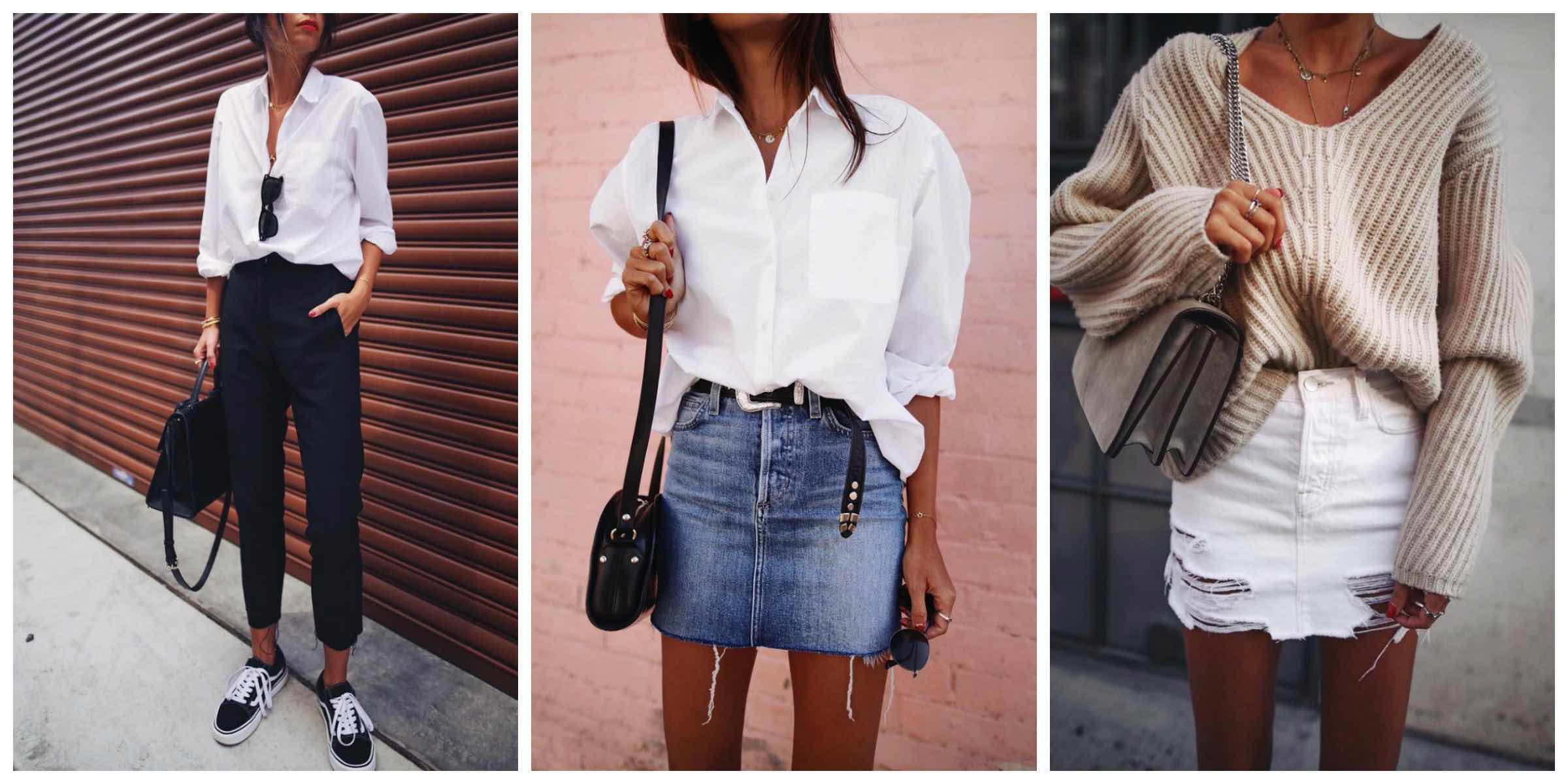
When doing fashion photographs, you should always be mindful of the background. It plays an essential role in your composition. Imagine you’re showcasing Juicy Couture’s new pink tracksuit, choosing a pink background – not necessarily the best idea, as that will hide the clothing more than it will highlight it (see a big difference between hide and highlight). The background should also help guide the viewer’s attention to the models (hint! People will naturally follow lines and curves). Similarly, you can use squares and rectangles to frame your model. People will naturally be drawn to the model when you put your subject in a “box” (not literally).
Let The Model Interact With The Environment

Rather than having your model stand around, get them to interact with their surroundings to create a more dynamic image. It will help make posing more natural and less awkward, as well as it can help create an exciting composition. If you ever find yourself in Rome around Piazza di Spagna, have your model sit on the stairs or lean against the handrail, as this will make them feel more relaxed and less posy.
Location vs Studio

Location plays a significant role in the final product of your shoot. It might be a catalog fashion shoot, in which case a studio might be perfect. However, suppose you want to experiment and be a bit more innovative. In that case, it’s a good idea to find some exciting locations. Whether that’s somewhere on an exotic island or a beautiful brick wall, both places are valid – it all depends on the atmosphere you’re trying to create.
*Remember, it’s best to plan this. That way, you’re not wasting time during shooting day, and you have an idea of the sort of photos you want to take.*
Lighting
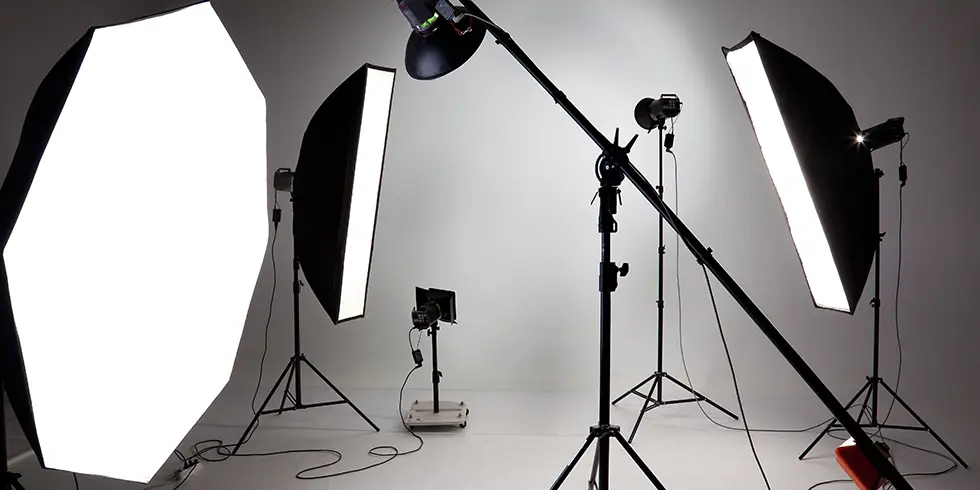
If there is one thing you need to know when getting into fashion photography – it’s lighting. From harshly lit summer beaches to studio shoots with strobes and color gels, fashion photographers must master lighting techniques. Most fashion photographs use very high-key lighting that minimizes shadows and contrasts. When low-key images are used, the shadows must be carefully controlled to flatter the model and the clothing.
Some Standard Lighting Techniques Include:
- Split and Hero lighting
- Loop lighting
- Butterfly and Clamshell lighting
- Rim lighting
- Flash and Ambient light
Above above-listed lighting techniques are far from exhaustive but will, in many cases, be a good starting point. Explore many more lighting techniques in our guide on various lighting setups.
Composition & Patterns

Composition is essential in any style or genre of photography. It allows the subjects and settings to look more exciting and professional than a shot taken randomly. Composition is used to enhance the subject and guide the viewers’ attention. To make it just a tad more manageable for you, here are some valuable tips to help you take well-composed magazine-worthy photographs.
The Rule Of Thirds
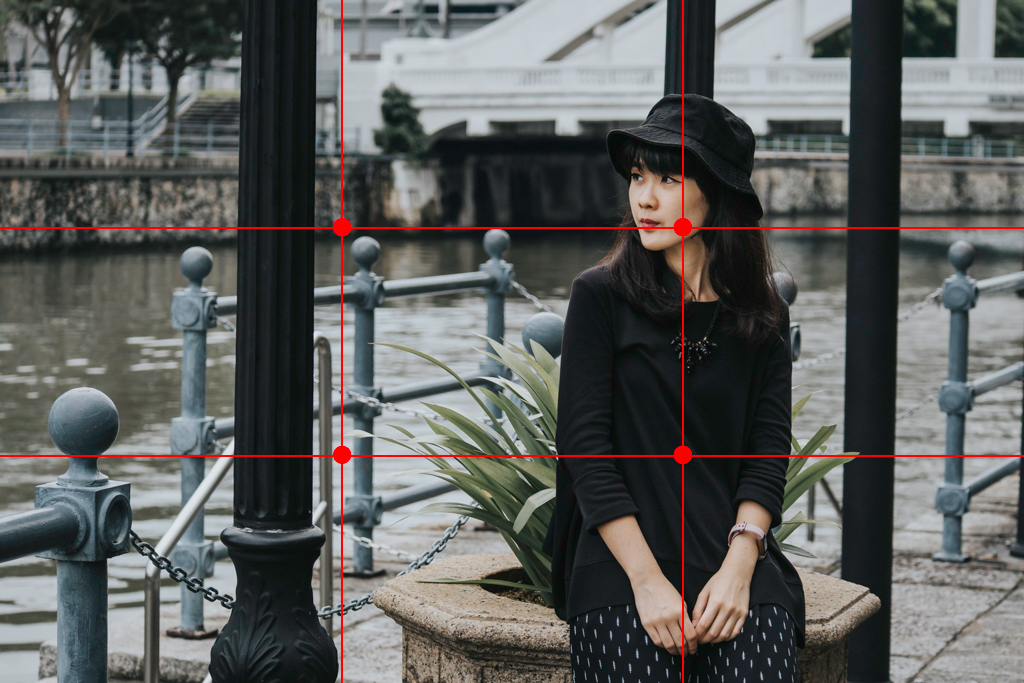
You might have heard or even used this one before – it’s a classic. Its purpose is to provide the photographer with a creative guide that can help them connect with the viewer. It entails dividing your frame (mentally) into nine squares of equal sizes. To achieve a balanced composition, place the model in any of the points where the lines intersect. (Fashion hack; almost every camera has a grid-line function to assist you in composing your shots). The rule of thirds is excellent if you’re new in the fashion photography game and not sure where you should place your model.
Place The Model In The Centrum

Placing your subject in the center of the frame means leaving the rule of thirds and going r(v)ogue. Done correctly, and you have a perfect fashion portrait on your hands. Since your main point of interest is already in the middle, the viewers will see it immediately. There is a downside to this, though. As you’re now placing your subject in the middle, it can appear rather dull and uninteresting. So if you go for this, try implementing some image hacks that can help it look less boring. Firstly, consider the background. Look for a location with something to use to balance your composition. Secondly, think about model poses. Have the model try different hand gestures, flip her or his hair around, be creative, and look for poses that will make the image appear less rigid. You can also try to have the model look to one side, making the viewer think something is going on off-camera.
Create a Counterbalance

Sometimes you will find that placing the model in unusual places is required to create the fashion piece you want. If this happens, you can use a counterbalance to correct your composition. That involves using another component to create harmony and a sense of balance in the shot.
Keep a Consistent Theme

A good idea is to include a visual narrative in your fashion shoot. When you’re browsing through a fashion magazine (and I mean any), you’ll see a theme that connects the photo session. A cohesive theme will compel the viewers to look at every picture you show them. Remember, this is not a Jane Austen novel – there doesn’t have to be an end or a beginning, but there should be something that connects the shots. When all this is said, you can use tons of tips and tricks to encourage tidy composition. For example, think about symmetric, the use of white space, or consider throwing the viewers off-balance and ignore all symmetry rules and go for something asymmetrical.
Networking
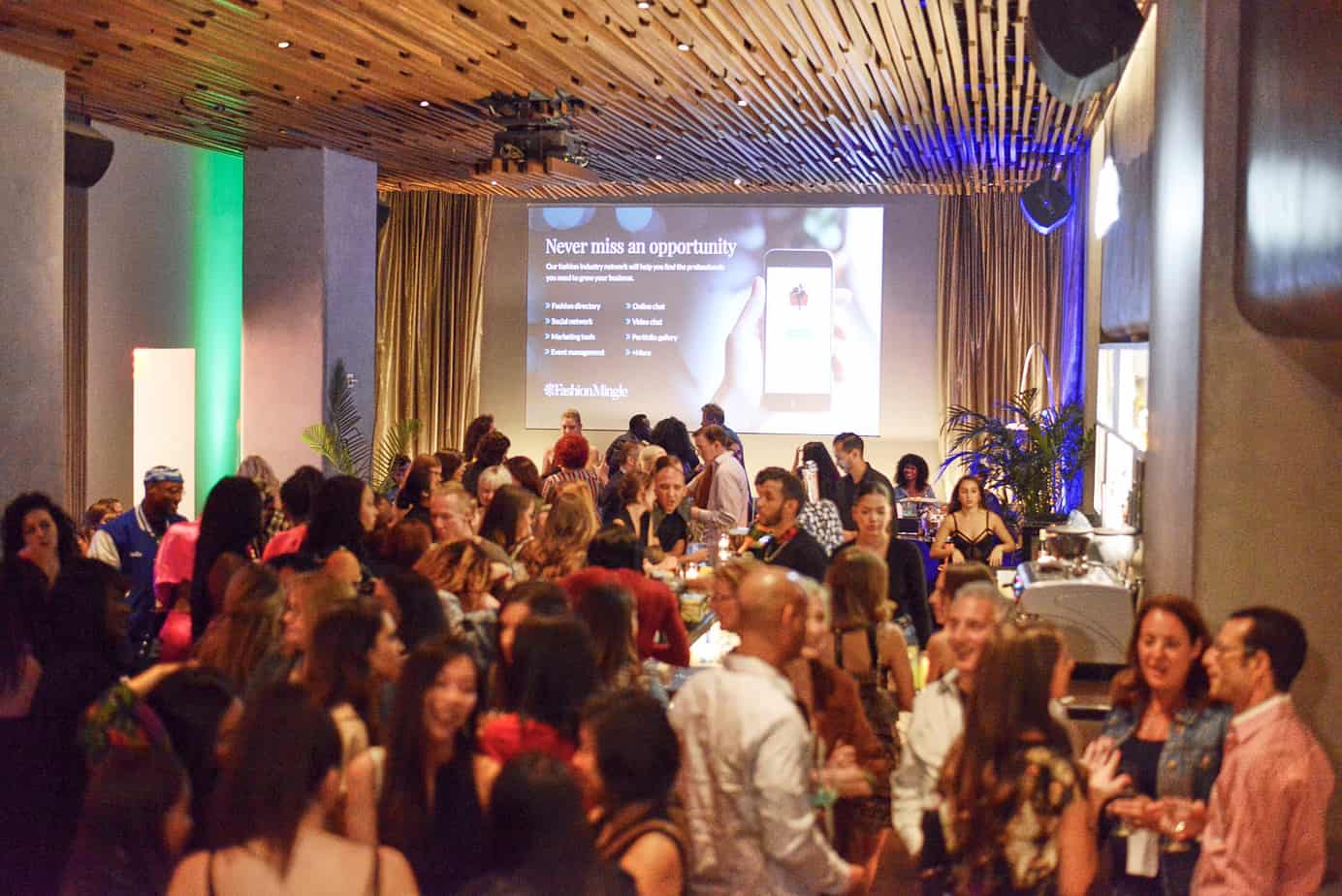
Networking is crucial in basically any industry that you want to break into. In the fashion industry, even more so. Networking is the key to landing your dream job in fashion. For fashion photographers, that also means sharing your work on social media and keeping yourself open-minded to any opportunity that happens to knock on your door. When you’re working with a team, leave a good impression as these are often the first ones that’ll introduce you to other creatives in the industry. Stay in touch with everyone you meet; they might be the key to your future success.
Find yourself a team

If you want to work with models and do it stat – assembling a team is a good start. Models might get suspicious if you are on your own. Instead, try collaborating with other like-minded fashion-interested people such as hair and makeup artists. You’ll seem more trustworthy, plus the whole process gets much more straightforward.
*Sites such as Facebook and LinkedIn are both great places to find collaboration and team members.*
Get Releases
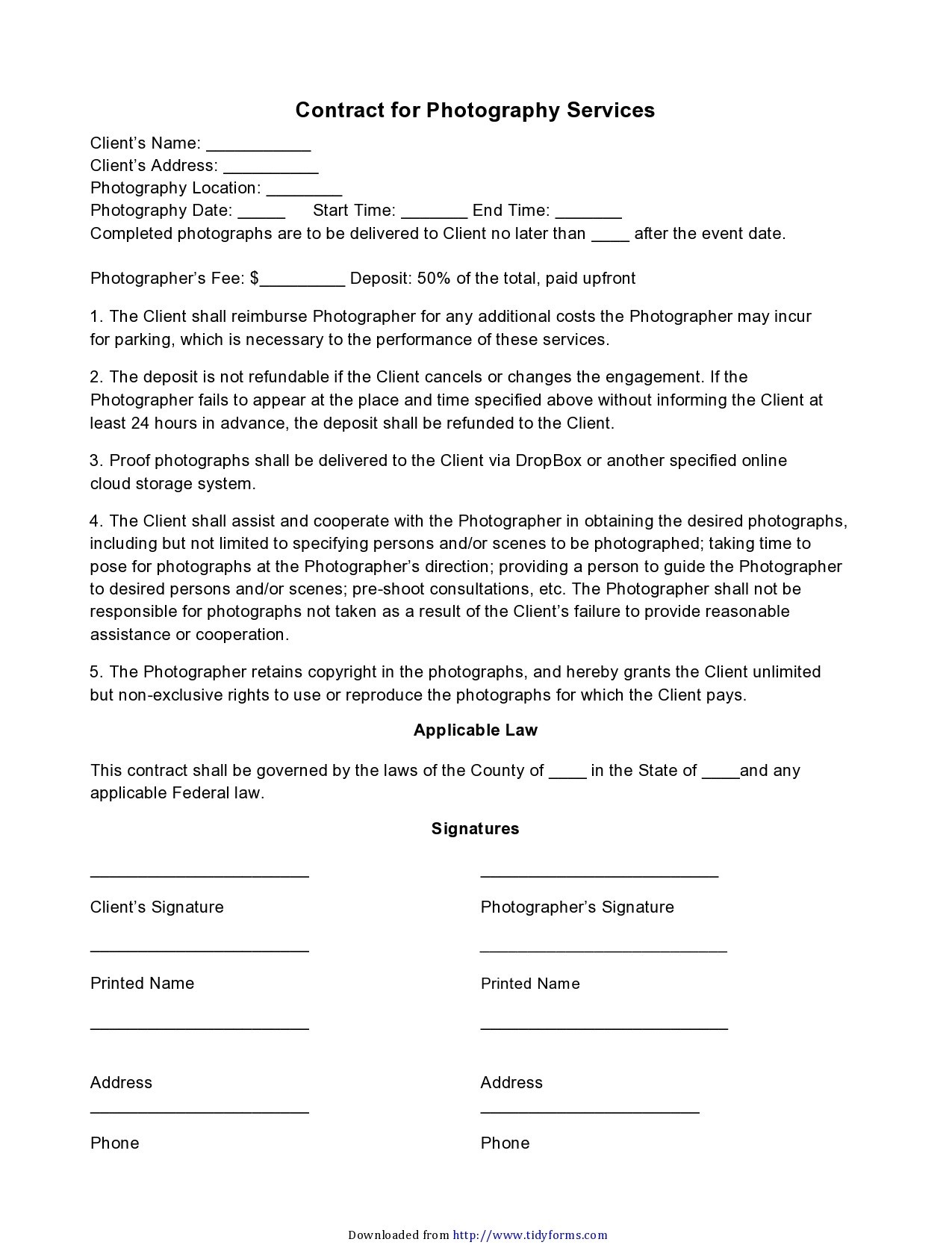
It might not sound so sexy, but it is essential. Things like licenses, permits, and copyright agreements are complicated things. Still, you must be always covered, so you don’t run into any troubles – this includes everything from model releases to designer contracts. You’ll often have to deal with the model release permit wherein the models state they’ve agreed to be photographed and then published. This doesn’t only apply to models – it includes anything that shows in the frame and is subject to copyright. If you’re unsure – ask. It’s always better to be on the safe side.
Renew Your Portfolio

Having your portfolio renewed, not once in a while, often – is essential. A portfolio is how your client knows whether you’re right for a job. Having an extensive portfolio with many adverse jobs tells them this is not your first rodeo and gives them the confidence needed to hire you for the job. Your portfolio could, for example, be through your social media accounts as well as through your website. Keep your portfolio updated so clients won’t look at outdated photos. Also, make sure to keep a physical photography portfolio; this you can keep short and trendy – showcasing only your best work. Ask friends, family, and people in the biz to help you decide which photos to include and which ones to discard.
*Follow the link >Here< with guidance on how to get started.*
Be a Team Player

Believe it or not, fashion photography – not a one-man show, more like the whole cast of “Annie”- could play a fashion photography team. That means you need to be able to work together with others. Working together with a whole team also means that some might not be ready when you are and vice versa. Although this can be frustrating, it’s essential to keep in mind that making a fashion photograph a success is a team effort. Learn to delegate, coordinate, and create a comfortable work environment. These are all elements that also influence the quality of the final picture.
Practice On Friends
Building a portfolio can be challenging if you don’t have any to photograph. Of course, models are the aim, but those can be difficult to get a hold of when you’re starting. So, before you begin contacting models, stylists, and makeup artists, how about your friends?
Ask a few friends if they’d like to have their portraits taken or just help out a mate. Making mistakes is part of doing anything new – so why not do it around friends (who most likely already have seen you make a lot of mistakes).
Use Social Media To Gain Exposure
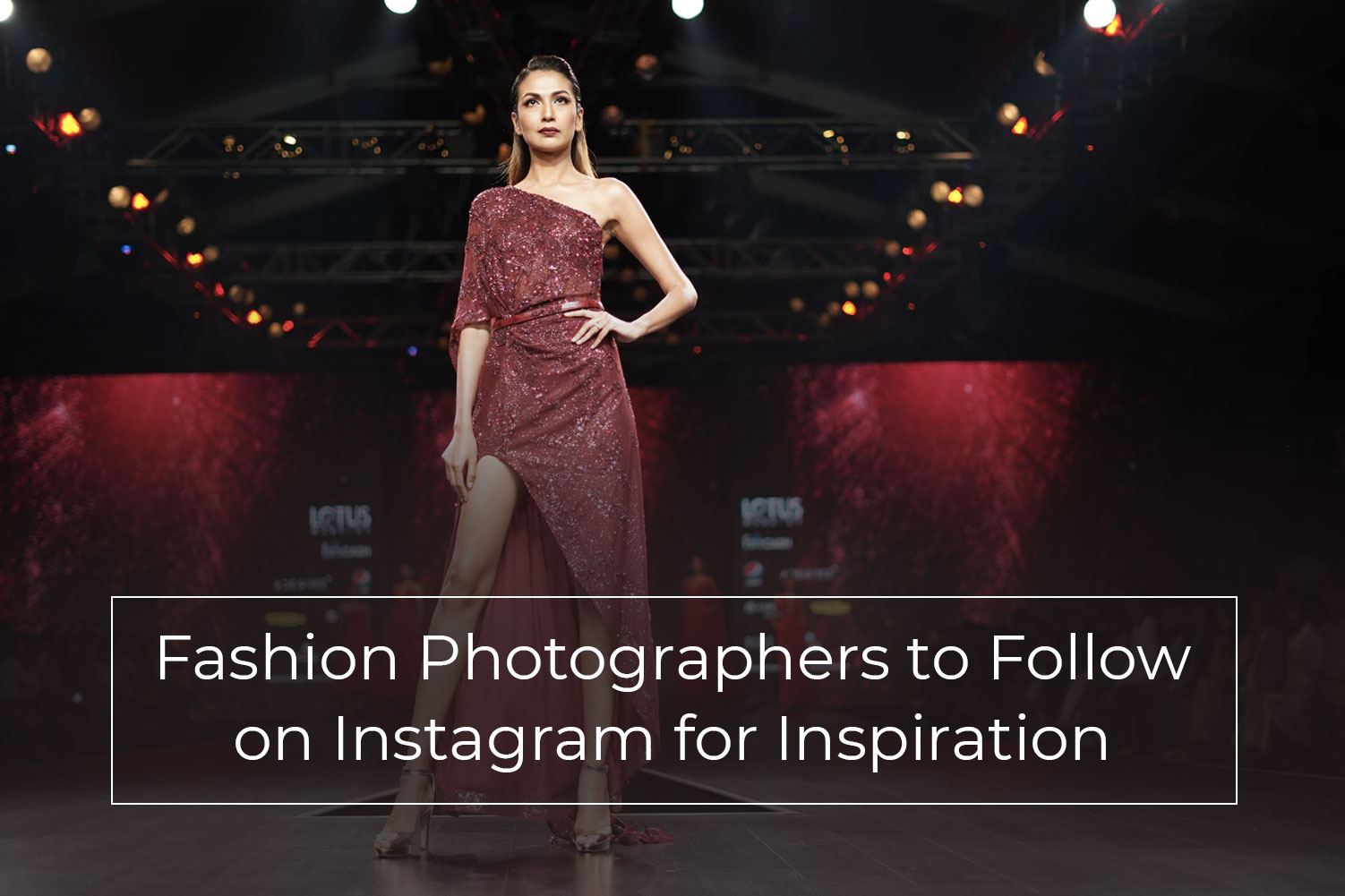
Creating a portfolio is one (crucial) thing to make sure people can see your work before they hire you. To hire you, however, they need to know you. An excellent way to get your work out there for people to know who you are – social media. Especially Instagram is perfect for the fashion industry. If you post eye-catching images, modeling agencies might start noticing and thereby contacting you. Don’t worry if it takes a while to get a large following; Instagram is flooded with fashion photographers, so it takes some time before you start gaining an Insta-worthy following. To get that following, you need to separate yourself from all the others – find your unique style and portray it so everyone knows when they’re looking at some of your work.
Edit & Post-Processing Your Fashion Photographs

There’s a reason Kylie Jenner uses so much time retouching her photos – it’s because it looks damn great. Be careful not to overlook how big a difference retouching and post-production in fashion photography can make to your final product. It might have a bad connotation, but it shouldn’t. All images are retouched to some extent, the reason being that one’s photos come to look so much better with a bit of retouching. Why not make sure that your pictures look as good as possible? Adobe Lightroom, Photoshop, and other editing programs include multiple tools that’ll allow you to do just about anything to make your photo look just as you’d like it.
*Most Important Rule* – Have Fun!
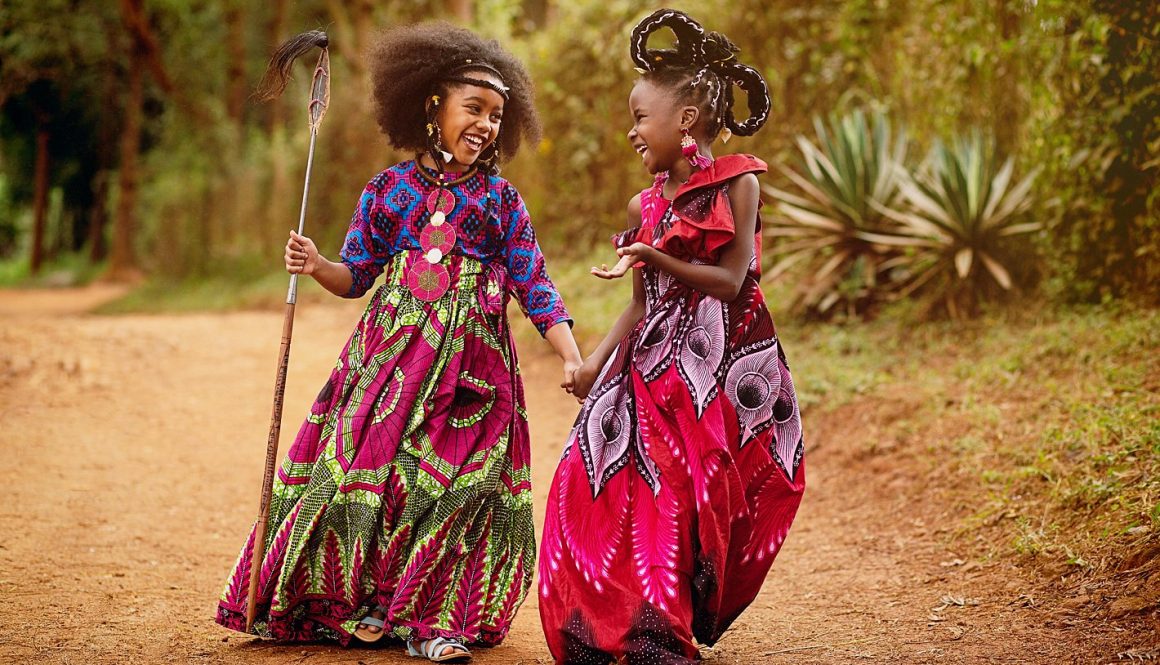
You made it to the end of the list and my most important advice to models, photographers, and creatives starting out is don’t beat yourself up too hard if your vision is not translating to the photo exactly how you imagined it. Getting to the photo is half the fun and can teach you many important lessons that you wouldn’t have otherwise learned along the way. Just like they say, practice makes perfect!
Remember: Fashion photography doesn’t have to be difficult. It might seem overwhelming at first, but the more you practice, the better you’ll get. Don’t be afraid to make mistakes or try something different; this is the only way to learn and improve after all. Many fashion photographers admit to being nervous about their first shoot and making mistakes. Give it some time; pretty soon, you’ll capture fashion shots like an absolute pro! 😁
Thank you for visiting my blog and reading today’s post, I hope you have a lovely week and I shall see you in two weeks!


 Peytons View
Thank you for this jam-packed informative post.
LikeLiked by 1 person
Great post with lots of actionable information!
LikeLiked by 3 people
Fashion Photography Tips offers valuable insights for photographers looking to improve creativity, styling, lighting, and composition. With the support of professional Image editing services in USA, photographers can further enhance their fashion images with refined details and polished results. This informative guide inspires photographers to experiment with new techniques and create visually engaging photographs.
LikeLike
Fashion Photography Tips offers valuable insights for photographers looking to improve creativity, styling, lighting, and composition. With the support of professional Image editing services in USA, photographers can further enhance their fashion images with refined details and polished results. This informative guide inspires photographers to experiment with new techniques and create visually engaging photographs.
LikeLike
Fashion Photography Tips offers valuable insights for photographers looking to improve creativity, styling, lighting, and composition. With the support of professional Image editing services in USA, photographers can further enhance their fashion images with refined details and polished results. This informative guide inspires photographers to experiment with new techniques and create visually engaging photographs.
LikeLike
Fashion Photography Tips offers valuable insights for photographers looking to improve creativity, styling, lighting, and composition. With the support of professional Image editing services in USA, photographers can further enhance their fashion images with refined details and polished results. This informative guide inspires photographers to experiment with new techniques and create visually engaging photographs.
LikeLike
Fashion Photography Tips offers valuable insights for photographers looking to improve creativity, styling, lighting, and composition. With the support of professional Image editing services in USA, photographers can further enhance their fashion images with refined details and polished results. This informative guide inspires photographers to experiment with new techniques and create visually engaging photographs.
LikeLike